B2L Construction

Renovations & Remodeling

When a Remodel Requires Permits in North Carolina and Why It Matters

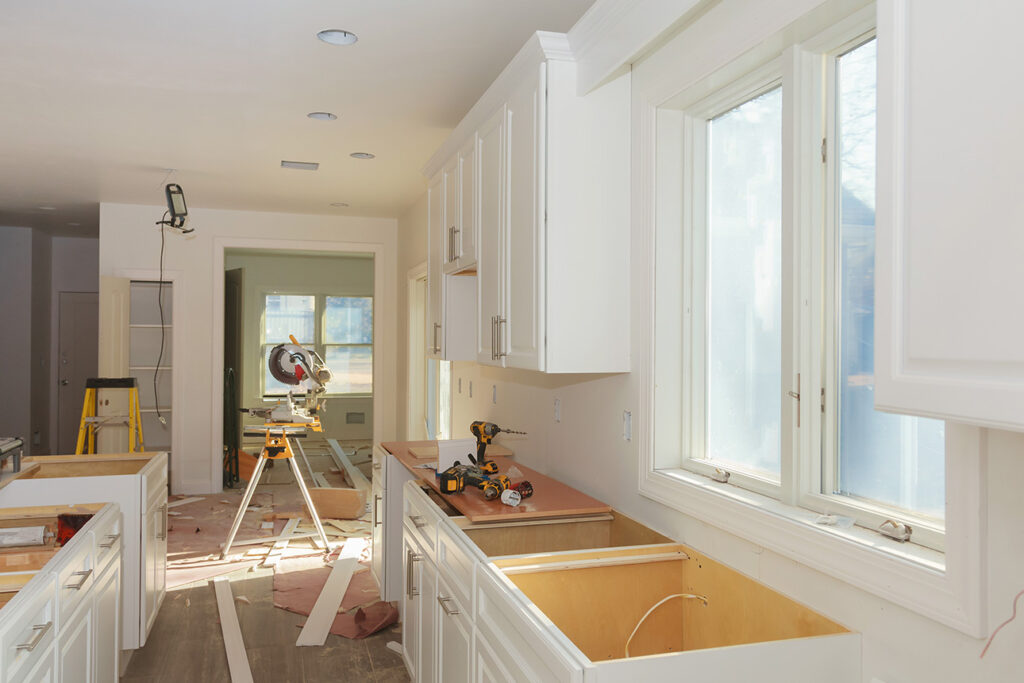
Energy-efficient remodeling projects allows homeowners to lower utility costs, improve comfort, and increase property value. With rising energy expenses, upgrading a home’s systems and materials has become an essential part of modern renovations in North Carolina. By focusing on key areas, homeowners can significantly improve efficiency and enjoy long-term savings. Assessing the Home’s Current Energy Performance Identifying Energy Loss in Older Homes Many older homes have insufficient insulation, outdated windows, and inefficient HVAC systems. These factors cause heat loss in winter and heat gain in summer. A home energy audit helps identify weaknesses and creates a roadmap for improvements. Understanding Mechanical System Efficiency Heating and cooling systems account for a large portion of energy usage. Older units often work harder and cost more to operate. Evaluating system age and performance provides insight into potential upgrades. Key Remodeling Improvements That Increase Energy Efficiency Upgrading Insulation and Air Sealing Insulation in attics, walls, and crawlspaces dramatically influences energy efficiency. Adding or improving insulation reduces strain on heating and cooling systems. Air sealing prevents drafts and helps maintain consistent indoor temperatures. Installing Energy-Efficient Windows Modern windows offer better insulation and reduce heat transfer. Energy-efficient models improve comfort, decrease noise, and create long-term savings. Improving HVAC Systems and Ventilation Replacing older HVAC units with high-efficiency systems enhances performance while lowering monthly costs. Proper ventilation improves indoor air quality and reduces humidity issues. Incorporating Efficient Lighting and Appliances LED Lighting for Long-Term Savings LED lighting uses significantly less energy and lasts longer than traditional bulbs. Upgrading lighting during a remodel is a simple way to achieve energy savings. Energy-Efficient Appliances and Water Systems Upgraded appliances often use less electricity and water. Tankless water heaters heat water on demand and eliminate the energy waste associated with stored hot water. The Role of Smart Home Technology in Energy Efficiency Automated Controls and Monitoring Systems Smart thermostats and energy monitoring tools give homeowners greater control over consumption. Automated schedules and remote controls reduce unnecessary usage. Conclusion Energy-efficient remodeling transforms both comfort and cost. By focusing on insulation, windows, HVAC upgrades, and smart technology, homeowners in North Carolina can reduce monthly expenses and create healthier, more sustainable living environments. Related articles Reliable, scalable builds for retail, office, and industrial spaces—delivered with zero surprises.
Renovations & Remodeling

Remodeling Your Home for Better Energy Efficiency and Lower Monthly Costs

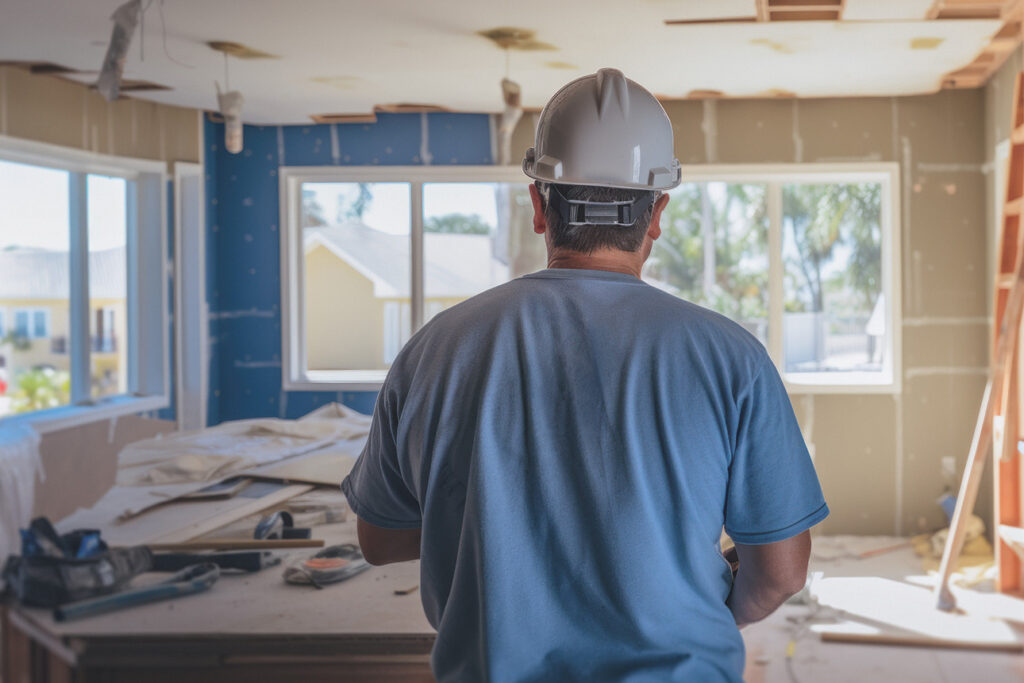
Many homeowners begin remodeling projects without realizing which improvements require permits. Permits protect safety, ensure code compliance, and prevent costly future issues. Understanding these requirements helps homeowners plan effectively and avoid complications during construction. Understanding When Permits Are Required Structural Modifications Removing walls, altering framing, or adding new rooms always requires permits. These changes impact the home’s systems and materials stability. Permits ensure that licensed professionals design and install structural elements correctly. Electrical, Plumbing, and Mechanical Work Any changes involving wiring, electrical panels, plumbing lines, or HVAC systems require permits. These systems must be installed safely to prevent fire hazards, leaks, and equipment failure. Additions, Renovations, and Major Alterations New bedrooms, bathrooms, decks, or garages must be reviewed before construction begins. Municipalities verify that plans meet zoning rules and building codes. Why Permits Are Essential for Safe Remodeling Ensuring Compliance With Building Codes Building codes keep homes safe. Inspectors confirm that construction meets requirements for structural safety, fire prevention, sanitation, and accessibility. Protecting Homeowners From Liability Unpermitted work can lead to insurance claim denials or legal problems during resale. Permits create documentation that the work was done correctly and professionally. How Permits Affect the Remodeling Timeline Submission and Review Submitting complete plans reduces delays during review. Contractors familiar with local regulations help ensure fast and accurate approval. Scheduling Inspections During Construction Projects must pass inspections at multiple stages. Coordinating inspections with construction phases helps prevent unnecessary delays. Conclusion Permits play an essential role in safe, legal, and successful remodeling. Understanding when they are required and following the proper process protect homeowners from costly issues later. With a qualified contractor and proper permitting, renovations progress smoothly and meet all necessary standards. Related articles Reliable, scalable builds for retail, office, and industrial spaces—delivered with zero surprises.
Commercial Construction

The Difference Between Light Commercial and Heavy Commercial Construction

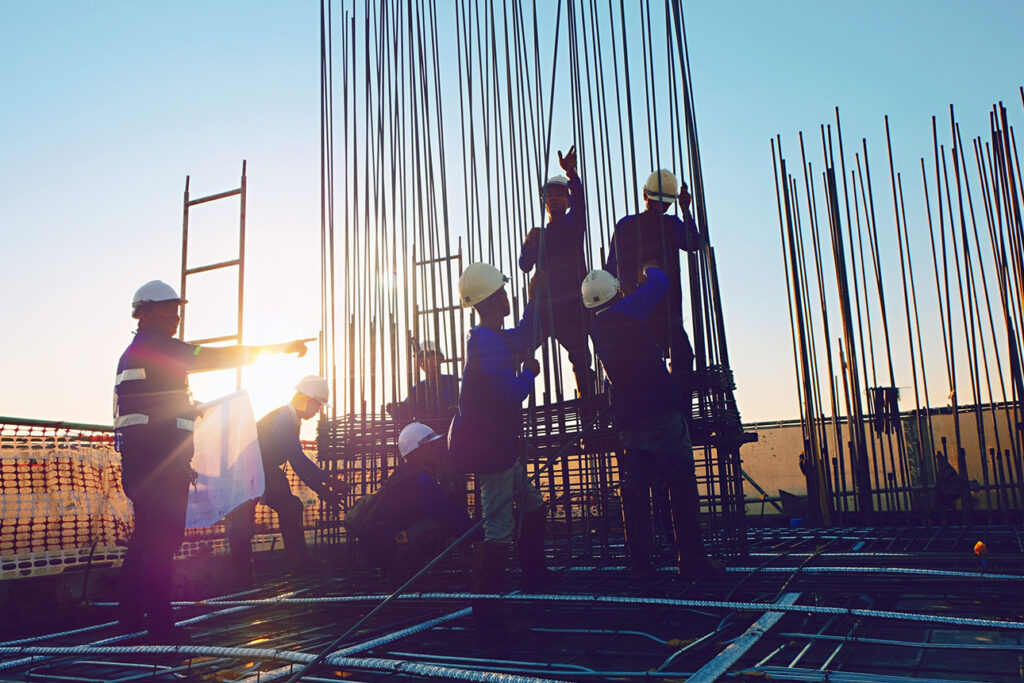
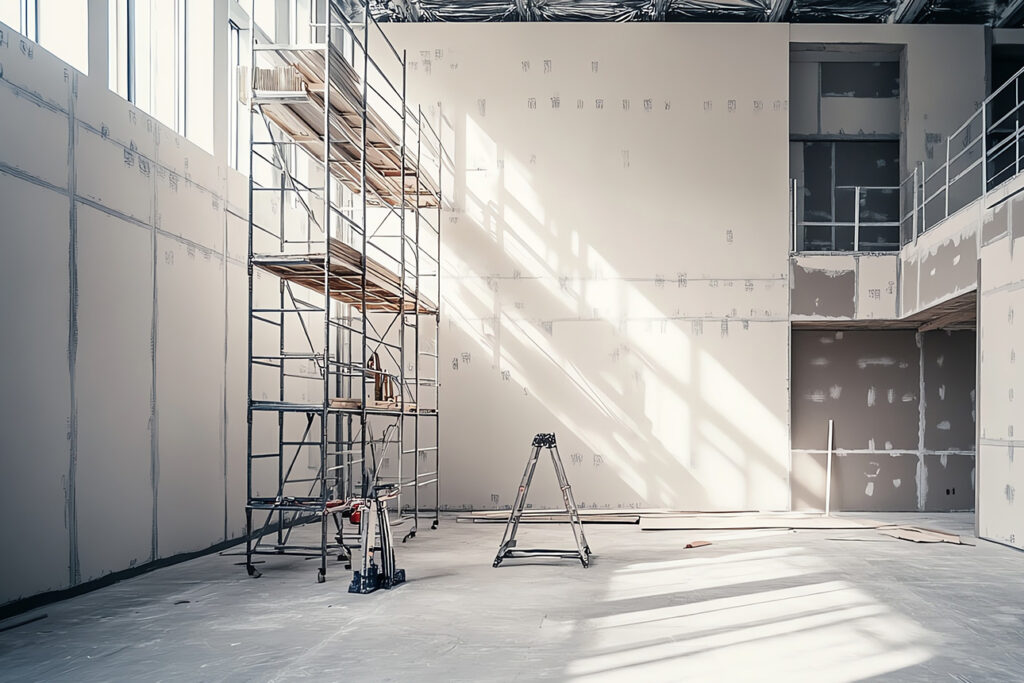
Commercial construction includes a wide range of project types. Understanding the differences between light and heavy commercial construction helps businesses choose the right approach for their facility needs. Each category involves specific requirements, specialties, and design considerations. Understanding Light Commercial Construction Typical Light Commercial Projects Light commercial construction includes retail stores, restaurants, small offices, medical clinics, and small warehouses. These buildings typically range from one to three stories and involve simpler structural requirements compared to heavy commercial facilities. Design and Construction Features Light commercial projects often focus on customer experience, interior finishes, and efficient layouts. Builders use standard materials such as wood framing or light steel components. Mechanical and electrical systems are typically less complex than those found in larger facilities. Understanding Heavy Commercial Construction Larger and More Complex Structures Heavy commercial construction includes hospitals, schools, multi-level offices, industrial plants, and large warehouse facilities. These structures require advanced engineering and specialized building systems. Advanced Mechanical and Structural Requirements These buildings use reinforced steel frameworks, concrete systems, and extensive electrical and mechanical networks. They must meet stricter regulatory requirements due to their size, occupancy load, and safety needs. Choosing Between Light and Heavy Construction Project Scale and Operational Needs The nature of the business determines which type of construction is appropriate. Retail and office spaces typically fall under light commercial, while manufacturing plants or institutional facilities require heavy commercial standards. Budget and Timeline Considerations Light commercial projects generally involve shorter timelines and lower budgets. Heavy commercial projects require longer schedules and greater financial investment due to their complexity. Conclusion Understanding the distinctions between light and heavy commercial construction helps business owners plan their projects more effectively. When businesses align their goals with the correct construction approach, they achieve safer, more functional, and better-performing facilities. Related articles Reliable, scalable builds for retail, office, and industrial spaces—delivered with zero surprises.
Commercial Construction

How Quality Construction Impacts Workspace Productivity and Brand Image

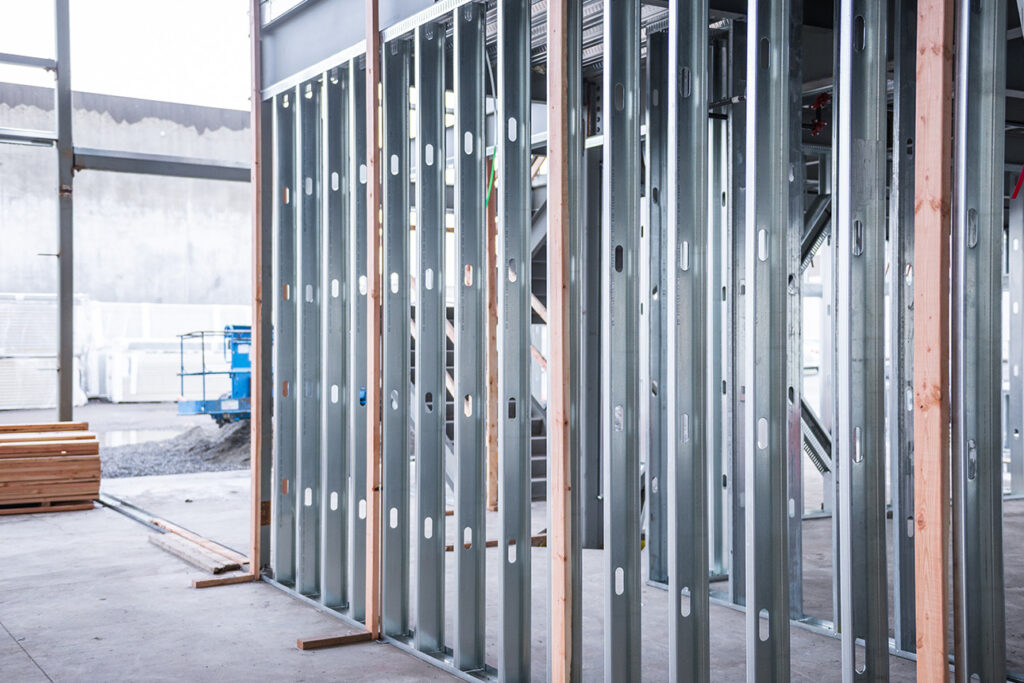
A well-built commercial space shapes the way employees work and how customers perceive a business. Quality construction influences workflow, comfort, safety, and overall brand identity. Companies that invest in well-designed and professionally built spaces often see improvements in productivity, culture, and customer satisfaction. How Construction Quality Affects Employee Productivity Workspace Layout and Flow The layout of a commercial building affects collaboration, communication, and daily operations. Open spaces, logical circulation paths, and well-organized work areas promote efficiency. Poor design can slow operations and reduce employee satisfaction. Lighting, Ventilation, and Temperature Control Employee comfort depends heavily on air quality and lighting. Natural light improves mood and concentration. Modern HVAC systems regulate indoor air quality and maintain comfortable temperatures. Proper ventilation reduces fatigue and enhances productivity. Impact of Construction Quality on Customer Experience Visual Appeal and First Impressions Customers form opinions quickly when entering a space. Clean lines, durable finishes, consistent branding, and quality craftsmanship reinforce a professional image. A well-designed environment communicates reliability and strengthens trust. Safety and Accessibility Commercial spaces must meet safety and accessibility standards. quality construction ensures fire systems, egress routes, and ADA features are properly implemented. Customers feel more confident and comfortable in a safe environment. Long-Term Advantages of High-Quality Construction Reduced Maintenance and Operational Costs Buildings constructed with quality materials and skilled workmanship often require fewer repairs. Durable materials withstand daily use and reduce long-term maintenance costs. Energy efficient systems also lower monthly expenses. Improved Brand Identity Businesses thrive when their environment reflects their values. Quality construction reinforces brand culture and strengthens the overall identity of the organization. Employees feel more connected to a well-designed space, and customers are more likely to return. Conclusion Quality construction is more than a visual decision. It directly affects productivity, safety, customer experience, and long-term value. Investing in professional craftsmanship ensures that businesses create environments that support success and strengthen their overall brand. Related articles Reliable, scalable builds for retail, office, and industrial spaces—delivered with zero surprises.
Commercial Construction

How to Keep a Commercial Construction Project On Schedule

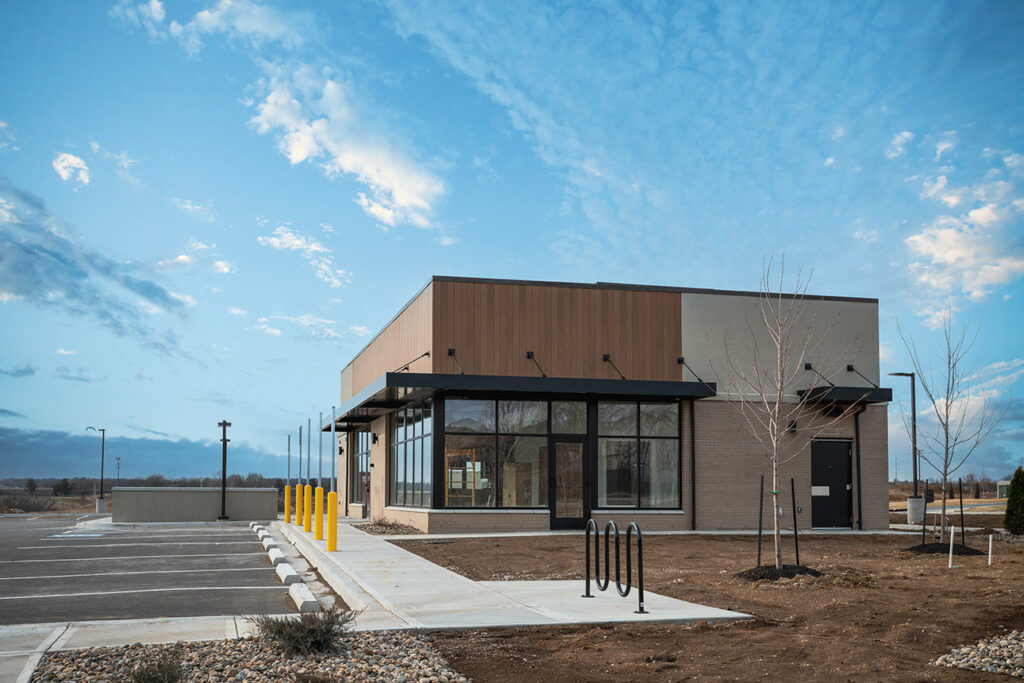
Maintaining a construction schedule is one of the greatest challenges in commercial building. Delays increase costs, disrupt operations, and affect project success. With proper planning, communication, and oversight, businesses can significantly reduce the risk of schedule setbacks. Planning the Project Before Construction Begins Creating a Detailed Timeline A successful schedule begins with a clear and realistic timeline. Contractors outline each phase including design, permitting, material procurement, site preparation, framing, mechanical installation, and finishing work. Planning ahead ensures all stakeholders understand their responsibilities. Securing Permits and Approvals Early Permitting delays are common sources of schedule issues. Submitting complete documents and responding quickly to city reviewers helps keep the approval process efficient. Coordination of Trades and Material Delivery Managing Subcontractors Effectively Commercial projects involve multiple subcontractors working in sequence. Effective project management ensures each team arrives at the correct time and completes work before the next phase begins. Communication and accountability are essential. Anticipating Material Lead Times Some commercial building materials have long lead times. Ordering early and verifying availability helps prevent delays during critical phases. Monitoring Progress and Addressing Issues Quickly Proactive Communication With the Owner Regular updates keep the business owner informed and allow quick decision-making. Timely decisions prevent work stoppages and allow the project to move forward smoothly. Quality Control to Avoid Rework Mistakes or poor workmanship lead to rework, which affects the schedule. Inspecting work throughout the project ensures that the build remains on track and meets standards. Conclusion Keeping a commercial construction project on schedule requires planning, skilled coordination, and proactive communication. Businesses that work with experienced contractors benefit from predictable timelines and a smoother building experience. With strong project management in place, commercial construction can progress efficiently from start to finish. Related articles Reliable, scalable builds for retail, office, and industrial spaces—delivered with zero surprises.
Commercial Construction

What Businesses Should Know Before Starting a Commercial Build in Charlotte NC

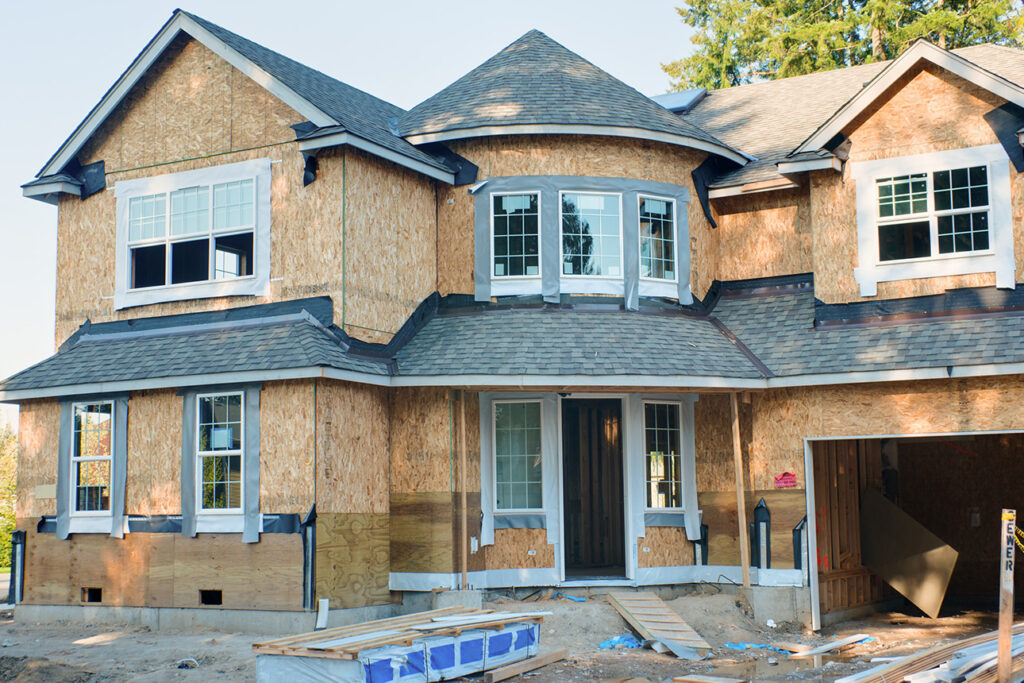
Starting a commercial construction project in Charlotte requires careful planning, industry knowledge, and a clear understanding of local requirements. Whether building a new office, retail space, or light industrial facility, businesses must be prepared for the financial, regulatory, and logistical aspects of the project. Taking the time to understand these elements helps owners avoid delays and ensures a smooth construction process. Understanding Zoning and Land Use Requirements Zoning Classifications in Charlotte Zoning regulations impact how land can be used and what type of structure can be built. Charlotte has multiple zoning districts that define allowable uses such as retail, office, industrial, and mixed-use. Before purchasing property or beginning a project, owners should verify that the intended commercial use aligns with zoning requirements. Rezoning is possible but time-consuming. Site Conditions and Limitations Every property has characteristics that influence construction. Soil conditions, elevation, stormwater requirements, and access to public utilities must all be evaluated. These factors may affect design choices and construction cost. Navigating the Commercial Permitting Process Plan Review and Required Documentation Charlotte requires full plan submissions that include structural details, architectural layouts, and mechanical systems. The city reviews designs to ensure compliance with building codes and safety standards. Submitting incomplete or unclear plans results in delays. Inspection Phases During Construction Commercial projects undergo multiple inspections at various stages. These include structural, electrical, plumbing, mechanical, fire safety, and accessibility reviews. Passing each inspection is necessary to progress to the next phase. Budgeting for Commercial Construction Construction and Material Costs Commercial construction involves costs for structural components, roofing, interior finishes, mechanical systems, and more. Prices fluctuate based on market conditions and material availability. Detailed estimates help owners prepare for these variables. Additional Expenses Beyond Construction Beyond the physical build, businesses must account for permitting fees, utility connections, parking requirements, site development, and landscaping. These expenses are essential for compliance and operational readiness. Scheduling and Construction Timelines Coordinating Trades and Materials Commercial projects require precise coordination of subcontractors and material deliveries. Delays in one area can impact the entire schedule. Contractors with strong project management skills help maintain momentum. Seasonal and Environmental Considerations Weather, soil conditions, and supply chain fluctuations can affect timelines. Planning for these factors reduces risk and avoids unexpected delays. Conclusion Commercial construction in Charlotte requires knowledge, preparation, and guidance from experienced professionals. By understanding zoning, budgeting, permitting, scheduling, and site considerations, businesses can approach their project confidently and create a space that supports long-term growth. Related articles Reliable, scalable builds for retail, office, and industrial spaces—delivered with zero surprises.
Residential Construction

Modern Home Design Trends Influencing New Construction in North Carolina

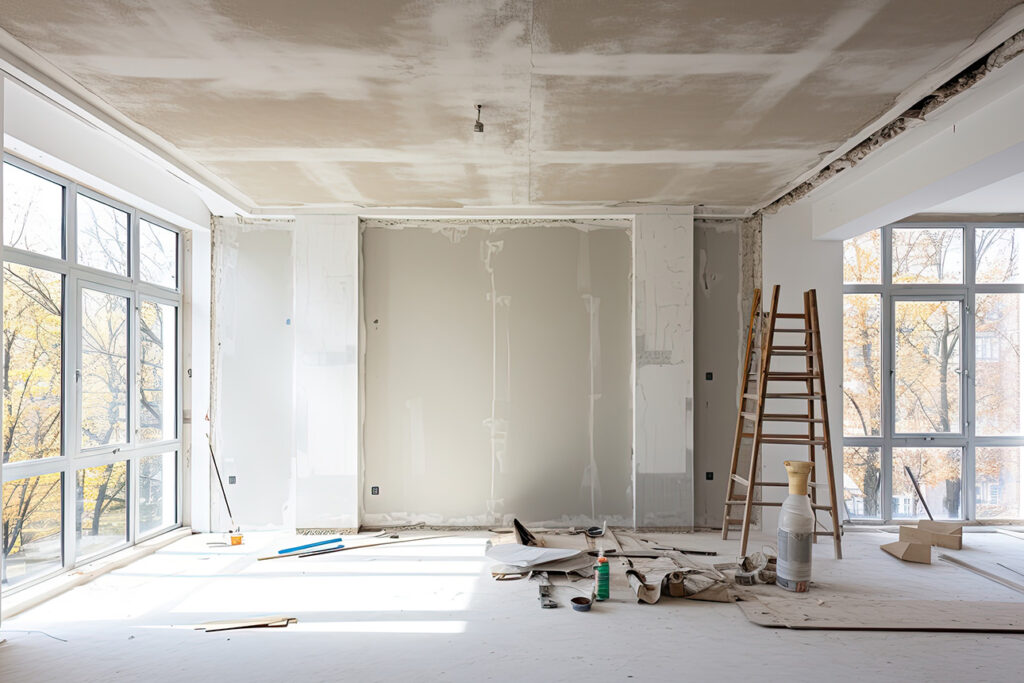
Modern residential design continues to evolve as families prioritize comfort, efficiency, and functionality. In North Carolina, homeowners often look for features that improve daily living, increase property value, and blend traditional style with contemporary elements. Understanding current trends helps homeowners make informed choices when building or renovating their homes. Interior Design Trends Influencing Home Builds Open Concept Living Spaces Open floor plans remain popular because they create spacious, connected environments. Kitchens, dining rooms, and living areas blend together for improved flow and versatility. This layout supports hosting, family interaction, and access to natural light. Natural Materials and Warm Finishes Homeowners are embracing natural materials such as wood, stone, and textured tile. These elements add warmth and character while maintaining durability. Soft, neutral color palettes create calming spaces and serve as timeless design foundations. Flexible Rooms for Work and Lifestyle Needs Remote work and changing family dynamics have increased the demand for multipurpose rooms. Home offices, study areas, and adaptable flex spaces provide functionality without requiring major layout changes. Exterior Design Choices Gaining Popularity Energy Efficient Exteriors Homeowners increasingly prioritize energy-efficient design. High-performance windows, improved insulation, and reflective exterior coatings contribute to better temperature control and reduced monthly bills. Outdoor Living Enhancements Decks, patios, and screened porches expand usable living space. Families value outdoor areas for cooking, relaxing, and entertaining. Thoughtful exterior design integrates these spaces seamlessly with the home’s interior. Technology and Smart Home Integration Modern Smart Home Features Security systems, automated lighting, climate control, and integrated entertainment systems are becoming standard features. These technologies provide convenience and support energy management. Integrated Building Systems New construction often includes pre-wired infrastructure for future technology upgrades. This planning ensures that homes remain adaptable as new innovations emerge. Conclusion Modern design trends offer homeowners many opportunities to create beautiful, functional spaces. By understanding current styles and making thoughtful design choices, families can build homes that suit their lifestyle and remain valuable for years. With expert guidance from a skilled contractor, these trends can be incorporated seamlessly into any residential project. Related articles Reliable, scalable builds for retail, office, and industrial spaces—delivered with zero surprises.
Residential Construction

The Most Common Mistakes Homeowners Make When Building a New Home

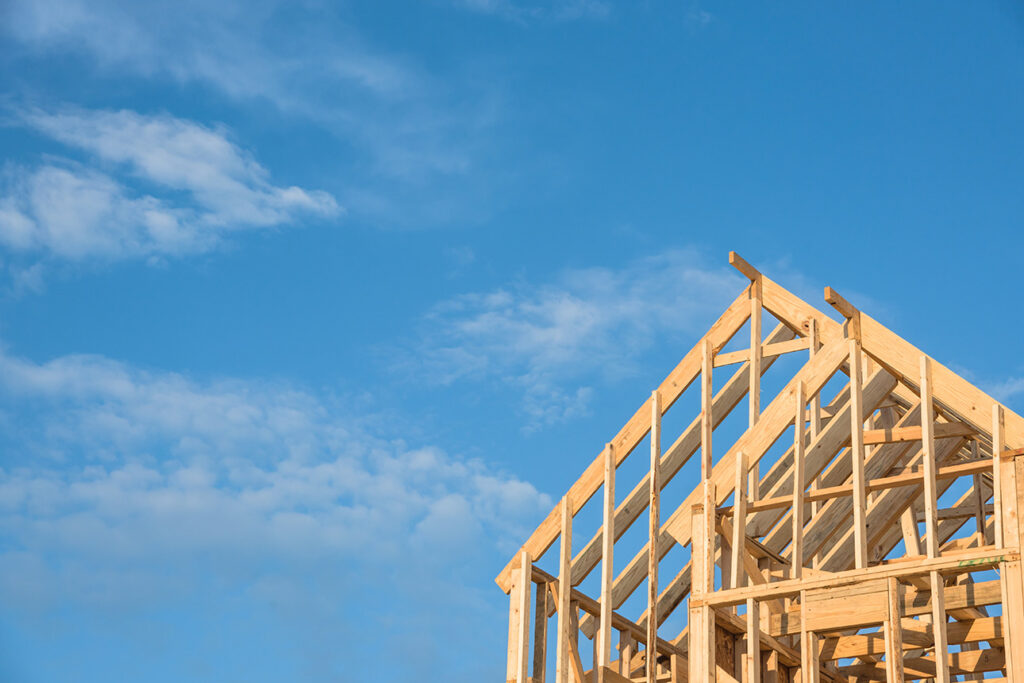
Residential construction is a major investment, and even small mistakes can create delays, increase costs, or lead to long-term issues. Homeowners who understand the most common pitfalls are better prepared to avoid them. Successful projects depend on planning, communication, and a willingness to make informed decisions at each stage. Common Planning Mistakes in Residential Construction Insufficient Budget Planning Many homeowners underestimate the full cost of construction. Without realistic budgeting, projects may stall or require unwanted compromises. Building a contingency reserve ensures financial readiness for hidden issues or design adjustments. Changing the Design Too Often Design changes during construction can affect materials, labor, and schedule. While small updates are normal, frequent or major alterations disrupt progress and increase expenses. Finalizing decisions early protects both budget and timeline. Not Researching Contractors Thoroughly Selecting a contractor based solely on price or limited research can lead to quality concerns or communication problems. Evaluating experience, licensing, reviews, and past work gives homeowners a clearer picture of the contractor’s capabilities. Mistakes During the Construction Phase Lack of Communication With the Contractor Homeowners who assume the contractor understands every detail may be surprised by misaligned expectations. Regular communication helps clarify goals, review progress, and address questions promptly. Trying to Manage Too Much Alone Some homeowners attempt to step into the role of project manager without realizing the complexity involved. Managing subcontractors, inspections, schedules, and materials requires professional experience. Engaging a skilled contractor ensures smoother coordination. Purchasing Materials Without Guidance Buying fixtures, appliances, or materials independently may seem cost-effective but can lead to compatibility issues or delivery delays. Contractors help verify sizing, performance, and timing to prevent installation problems. Long-Term Impact of Construction Mistakes Higher Maintenance Costs Poor workmanship or unfinished projects can reduce property value and create expensive repair needs later. Homeowners benefit from investing in quality construction from the start. Not Researching Contractors Thoroughly Choosing low-quality materials or cutting corners during the build can increase future maintenance expenses. Durable materials and professional installation help ensure the longevity of the home. Conclusion Avoiding common construction mistakes requires preparation, communication, and trust in an experienced professional. When homeowners understand potential pitfalls, they are better equipped to make informed decisions. With proper planning and support, residential construction becomes a positive and rewarding experience. Related articles Reliable, scalable builds for retail, office, and industrial spaces—delivered with zero surprises.
Residential Construction

How to Choose the Right Residential Contractor for Your Home Project

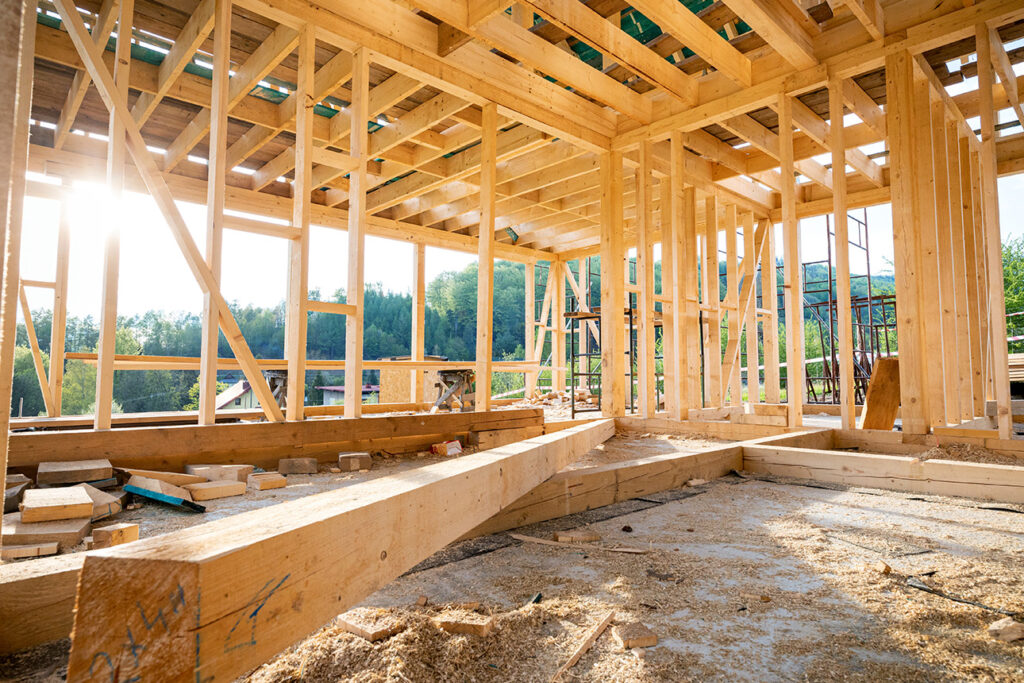
Selecting a residential contractor is one of the most important decisions a homeowner makes during a new build or renovation. The contractor’s skills, communication style, and project management abilities directly affect the timeline, cost, and quality of the final result. Homeowners who understand the key qualities of a reliable contractor are better positioned to choose a professional who will guide the project successfully. What Homeowners Should Look for in a Residential Contractor Licensing, Insurance, and Credentials A licensed contractor ensures that work complies with state and local regulations. Insurance protects both the homeowner and the contractor during construction. Credentials, such as certifications or affiliations with reputable industry organizations, reflect professionalism and adherence to high standards. Experience With Similar Projects Not all contractors specialize in the same types of work. A contractor experienced in custom homes may not be the right fit for a complex renovation, and vice versa. Reviewing past projects and speaking with former clients provides insights into the contractor’s expertise and reliability. Clear Communication Practices Successful construction requires ongoing communication. Homeowners must choose a contractor who provides updates, discusses challenges openly, and responds quickly to questions. Clear communication prevents misunderstandings and promotes a positive working relationship. Evaluating Bids and Project Estimates Understanding Scope and Pricing Homeowners should compare estimates carefully. The lowest bid is not always the best choice if it leaves out essential items or uses lower-quality materials. Contractors who provide detailed, transparent pricing give homeowners confidence in the project budget . Timing and Availability Contractors vary in their availability. Some may schedule months in advance. Homeowners should discuss schedules early and ensure that the contractor can meet their desired timeline. Contingencies and Unplanned Costs Unforeseen challenges can arise once construction begins. Soil conditions, delays in material availability, or unexpected structural adjustments may require additional budget. Including a contingency reserve helps homeowners remain financially prepared for these situations. Building a Strong Contractor Relationship Setting Expectations Early Clear goals, detailed plans, and an understanding of the construction phases support a smooth project. Homeowners and contractors should review timelines, budget expectations, and design decisions before work begins. Ongoing Collaboration Residential construction benefits from teamwork between homeowner and contractor. Open discussion of changes, challenges, and opportunities helps maintain progress and uphold quality standards. Conclusion Choosing the right contractor ensures that a home build or renovation remains organized, predictable, and aligned with homeowner goals. With the right professional guiding the process, families can enjoy a smooth construction experience and a high-quality finished space. Related articles Reliable, scalable builds for retail, office, and industrial spaces—delivered with zero surprises.

Residential Construction

Understanding the True Cost of Building a Custom Home in North Carolina

A custom home build is one of the most rewarding investments a homeowner can make, but understanding the full cost is essential for proper planning. Many homeowners focus on the price of materials and labor, yet several additional factors influence the final budget. A clear understanding of these costs helps prevent surprises and allows families to make informed decisions throughout the construction process. The Core Elements That Determine Custom Home Cost Land and Site Preparation The cost of land varies significantly across North Carolina, especially in high-growth areas near Charlotte and surrounding counties. Once land is purchased, site preparation adds to the total budget. Clearing trees, grading soil, addressing drainage issues, and installing utilities all contribute to early expenses. Some lots require extensive preparation depending on slope, soil quality, or access to municipal services. Design and Architectural Planning A custom home requires architectural plans that reflect the homeowner’s vision. The design phase includes everything from floor plans and elevations to engineering and energy calculations. These services support structural integrity and establish the foundation for accurate cost estimation. Larger and more complex designs increase architectural fees. Materials and Labor Material selections greatly influence the final budget. High-end finishes, specialty flooring, upgraded cabinetry, or luxury fixtures raise project cost. Labor accounts for a significant portion of the budget as well. Skilled trades such as framing, electrical, plumbing, and HVAC require licensed professionals, and market demand can affect labor pricing. Additional Factors That Impact Total Cost Permits, Inspections, and Compliance North Carolina requires permitting for new residential construction. Permit fees vary by municipality but often include structural, electrical, plumbing, and mechanical reviews. Inspections occur at multiple stages to verify code compliance. These costs are essential protections that ensure the home is built safely and legally. Energy Efficiency and Modern Requirements Many homeowners choose energy-efficient systems and upgraded insulation to reduce long-term costs. While these improvements often increase upfront expenses, they can significantly lower monthly utility bills and increase property value. Features such as high-efficiency HVAC systems, improved windows, and optimized insulation contribute to both comfort and performance. Contingencies and Unplanned Costs Unforeseen challenges can arise once construction begins. Soil conditions, delays in material availability, or unexpected structural adjustments may require additional budget. Including a contingency reserve helps homeowners remain financially prepared for these situations. Why Cost Transparency Matters in Residential Construction Experienced builders provide clear budgets and regular updates. Homeowners who receive accurate pricing early in the process are better equipped to make decisions that align with their goals. Transparency supports trust and ensures that the final home meets both aesthetic and financial expectations. Conclusion Building a custom home in North Carolina is a major investment, but with a strong understanding of true costs, homeowners can move forward confidently. Awareness of design expenses, land preparation, materials, labor, and permitting helps create realistic expectations. With proper planning and the support of a skilled contractor, a custom home becomes a rewarding and valuable long-term asset. Related articles Reliable, scalable builds for retail, office, and industrial spaces—delivered with zero surprises.