Author: azizzehra313@gmail.com

  • NC Certified Lead Abatement Services

    NC Certified Lead Abatement Services

    NC Certified Lead Abatement Services

    Lead hazards remain a significant concern for families living in older homes throughout North Carolina. Many properties built before 1978 contain lead-based paint on windows, doors, trim, and exterior surfaces. When this paint deteriorates or is disturbed during renovation, it produces fine dust that can spread throughout the home. Lead dust is invisible, highly toxic, and especially dangerous for children. Because of the serious health risks associated with lead exposure, the state of North Carolina requires that true lead abatement be performed only by certified professionals. NC Certified lead abatement services provide the safest and most reliable solution for permanently eliminating these hazards. Certified abatement is a regulated process. It requires specialized training, strict safety procedures, and specific methods approved by federal and state authorities. Homeowners cannot perform abatement themselves, and general contractors without proper certification are not legally permitted to do this work. Certification ensures that the people removing lead hazards understand how to protect residents, handle materials safely, and confirm that the home meets clearance standards after the work is complete.

    What NC Certification Means

    In North Carolina, lead abatement certification is issued by the Health Hazards Control Unit. There are separate certifications for workers, supervisors, inspectors, risk assessors, and abatement firms. All individuals who perform abatement must complete approved training courses. These courses cover topics such as hazard recognition, containment design, safe work practices, waste handling, and regulatory requirements.

    Certification exists to protect residents from improper practices. Removing or disturbing lead-based paint without training can make a home more hazardous rather than safer. By requiring certification, the state ensures that lead abatement is performed carefully and professionally. Certified firms also carry appropriate insurance and follow required documentation procedures.

    Why Certification Matters for Homeowners

    Lead abatement is not like a typical renovation project. It poses serious health risks if performed incorrectly. Improper removal can release large amounts of dust into the air, contaminating surfaces throughout the home. Once dust becomes airborne, it can spread quickly through ventilation systems and settle in carpets, window troughs, and children’s play areas. The consequences of doing the job improperly can be long lasting and expensive to fix.

    Certified professionals follow strict guidelines designed to prevent contamination. They install containment systems that isolate the work area and keep dust from spreading. They use specialized equipment such as HEPA vacuums and negative air machines. They know which methods are approved for removing or controlling lead paint and which methods are prohibited. Certification provides homeowners with the assurance that the job will be completed safely, legally, and effectively.

    What NC Certified Lead Abatement Services Include

    Before any removal work begins, professionals install containment systems. Containment prevents lead dust from spreading beyond the work area. Workers seal off rooms using thick plastic sheeting, cover floors, close HVAC vents, and create controlled entry and exit points. Negative air pressure machines may be used to keep dust from escaping. These precautions are essential. Without proper containment, lead dust can drift into clean areas of the home and settle into carpets, furniture, and ventilation systems.

    Homeowners are often asked to relocate temporarily during certain types of abatement. This depends on the size of the project, the work area, and whether the property contains high risk occupants such as infants or pregnant women. Certified professionals explain these requirements before work begins so the homeowner can plan accordingly.

    Certified lead abatement services provide a complete solution for identifying, removing, and verifying the elimination of lead hazards. The process begins with a lead inspection or risk assessment performed by a certified lead inspector or risk assessor. This evaluation identifies where lead-based paint is present, which surfaces are hazardous, and whether dust or soil contamination exists. Once hazards are identified, an abatement plan is created. This plan outlines how each hazard will be eliminated, what containment measures are required, and how waste will be handled. The plan also includes safety requirements for both workers and occupants. Abatement itself may involve several possible methods. Component removal is used when windows, doors, or trim contain lead and must be replaced. Enclosure involves placing a durable barrier over a lead surface to prevent exposure. Encapsulation uses specially formulated coatings to seal lead paint on stable surfaces. Paint removal is used when preserving the original architectural detail is important or when removal is the most effective way to eliminate the hazard. Soil abatement may be necessary if exterior paint has contaminated the ground around the home. After the abatement work is complete, the home undergoes a detailed cleaning process using HEPA vacuuming and wet washing. This ensures that all dust and debris are removed. Finally, a certified inspector performs clearance testing by collecting dust wipe samples. These samples are analyzed in a laboratory to verify that lead dust levels meet state and federal standards. The home is not approved for reoccupancy until clearance is achieved.

    Homes in North Carolina That Most Often Require Abatement

    North Carolina contains many historic and mid century homes where lead paint is common. In Charlotte, neighborhoods such as Dilworth, Plaza Midwood, Elizabeth, NoDa, Wesley Heights, and Myers Park have a high number of pre 1978 homes. Surrounding communities in Gaston County, Cabarrus County, Union County, and Mecklenburg County also contain older homes where lead hazards appear frequently.

    Many of these homes still have original windows, thick trim, or exterior wood elements that hold multiple layers of lead paint. Aging, moisture, and past renovations can cause the paint to deteriorate. Even when the surface looks freshly painted, underlying lead layers may still be unstable. Certified abatement ensures that these hazards are addressed permanently.

    Why Homeowners Choose Certified Lead Abatement

    Families choose certified abatement for several important reasons. The most significant reason is health. Lead exposure can cause developmental delays, learning difficulties, neurological damage, and behavioral changes in children. It can also affect adults, particularly pregnant women. Removing the hazard completely is the surest way to protect everyone in the home.

    Another reason is long term property value. Homes with documented lead abatement are safer, easier to sell, and more attractive to buyers. Abatement also helps homeowners comply with housing regulations, rental requirements, and childcare licensing standards.

    Abatement also creates a safer environment for future renovations. Once lead hazards are eliminated, contractors can work more freely without the need for extensive lead-safe precautions.

    Conclusion

    NC Certified Lead Abatement Services provide the highest level of protection for families living in pre 1978 homes. Certification ensures that lead hazards are identified accurately, removed safely, and verified through clearance testing. The process involves specialized training, regulated procedures, and methods that permanently eliminate the danger. For homeowners in Charlotte and throughout North Carolina, choosing certified lead abatement offers peace of mind, improved home safety, and long term value. With the guidance of trained professionals, older homes can become safe, healthy environments for generations to come.

    Related articles

    Reliable, scalable builds for retail, office, and industrial spaces—delivered with zero surprises.
  • Do All Houses Built Before 1978 Have Lead

    Do All Houses Built Before 1978 Have Lead

    Do All Houses Built Before 1978 Have Lead

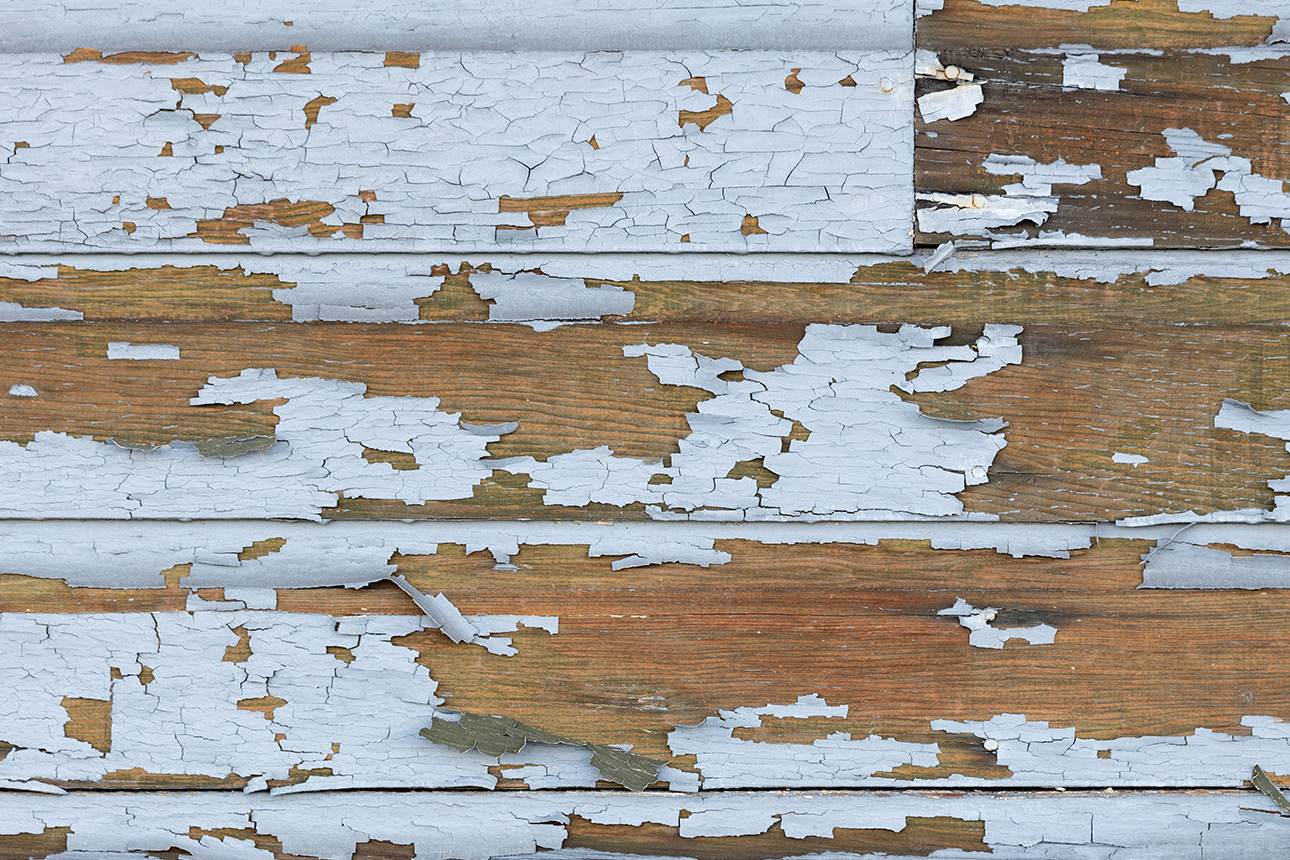
    The year 1978 is an important marker in residential construction. This was the year the federal government banned lead-based paint for use in homes due to overwhelming evidence that even small amounts of lead exposure can cause serious health problems. Because of this, many homeowners wonder whether every house built before that year contains lead. The short answer is that not all pre 1978 homes contain lead paint, but a significant majority do. Most homes built before 1960 used lead paint heavily, and many built between 1960 and 1978 used at least some level of lead-based coatings. Understanding this distinction is important for North Carolina homeowners, especially those living in older neighborhoods in Charlotte and surrounding areas. Lead paint is most dangerous when it deteriorates or when it is disturbed during renovation. When old paint breaks down, it releases fine particles of dust that are invisible to the eye but highly toxic. These particles settle on floors, toys, furniture, and inside HVAC systems. Children are particularly vulnerable because they touch surfaces frequently and may ingest lead dust without knowing it. For this reason, knowing whether your home contains lead is one of the most important steps in maintaining a safe living environment.

    Lead Paint Was Extremely Common Before the 1960s

    Although lead paint was not officially banned until 1978, its use significantly declined after the late 1950s as manufacturers began to recognize health concerns. Homes built before 1940 almost always contain lead paint in some capacity. These homes often have multiple layers of lead paint buried beneath newer coatings. Even if the interior appears freshly painted, the underlying layers may still pose a hazard if disturbed.

    Homes built between 1940 and 1960 usually contain lead paint as well, although in some cases the usage decreased toward the end of this period. Between 1960 and 1978, lead paint use dropped further but did not disappear entirely. Some builders continued using it because it was durable, resistant to moisture, and readily available. Therefore, any home built before 1978 should be considered at risk unless it has been tested and confirmed lead free.

    In cities like Charlotte, Concord, Gastonia, Kannapolis, and Monroe, many historic and mid century homes still contain lead paint. Renovations, weather exposure, and aging materials can all cause underlying lead layers to break down.

    Lead paint was not used only on walls. It was commonly applied to trim, windows, doors, stair rails, baseboards, porches, and exterior siding. These surfaces tend to experience friction or impact, which causes lead dust to form over time. For example, each time a window opens and closes, the friction between the sash and the frame grinds lead paint into dust. This dust settles on window sills and floors where children can easily come into contact with it.

    Exterior lead paint often flakes and falls into the soil. Children playing outside may be exposed through direct contact with the soil, and pets may track contaminated soil indoors. Even if the home has been repainted many times, the original layers underneath may still contain lead, and deterioration can occur beneath the surface.

    A Fresh Coat of Paint Does Not Eliminate the Hazard

    It is a common misconception that painting over lead paint removes the problem. Modern, non lead paints can cover the surface but do not neutralize the underlying hazard. If the original lead paint begins to peel or crack, the new coating will fail along with it. Moisture, heat, structural shifting, or impact can all cause the surface to deteriorate, revealing lead layers beneath.

    Encapsulation, which uses a special lead-sealing product, can sometimes be a temporary solution for smooth and stable surfaces. However, it is not a permanent fix and cannot be used on friction surfaces such as windows and doors. Only certified lead abatement fully removes or permanently controls the hazard.

    How to Determine Whether a Pre 1978 Home Has Lead Paint

    The only reliable way to know whether your home contains lead paint is through professional testing. A certified lead inspector uses specialized equipment to test painted surfaces, including those underneath newer layers. XRF testing provides instant results, while paint chip sampling offers laboratory-confirmed findings. Risk assessments also include dust and soil testing, which helps determine whether lead hazards are actively present in the home.

    In North Carolina, certified inspectors and risk assessors follow strict procedures to ensure accurate and trustworthy results. Home test kits sold in stores are not reliable enough for official diagnosis or for planning renovation or abatement work.

    When Lead Abatement Is Recommended

    If a home contains deteriorating lead paint, lead dust, contaminated soil, or friction surfaces that produce dust, lead abatement is strongly recommended. Abatement may also be required during certain home sales, rental inspections, childcare licensing, or when a child in the household has elevated blood lead levels.

    In many older Charlotte neighborhoods, homeowners choose to proactively address lead hazards before beginning major renovation projects. Removing the hazard before construction prevents contamination and protects workers and residents. Abatement also increases property value, as buyers appreciate homes that have documented safety improvements.

    Older Homes Can Be Made Completely Safe

    It is important to understand that a pre 1978 home is not automatically dangerous simply because it was built before the ban on lead paint. The condition of the paint is the critical factor. If the lead paint is intact and not disturbed, the risk may be low. However, deterioration can happen at any time, especially in older homes with humidity issues or worn surfaces. Regular maintenance, testing, and professional oversight help ensure long term safety.

    When needed, certified lead abatement provides a permanent solution by removing or controlling hazardous materials. Component removal, enclosure, safe paint removal, and soil replacement can all make an older home just as safe as a modern one.

    Conclusion

    Not every home built before 1978 contains lead paint, but most do, especially those built before 1960. Lead paint may be hidden under layers of newer paint and often exists on surfaces that create dust through friction. The only reliable way to determine whether your home contains lead is through certified inspection and testing. When hazards are found, lead abatement provides a permanent and regulated solution that protects families and preserves the value of the home. For North Carolina homeowners, particularly those in Charlotte’s older neighborhoods, understanding the potential risks and addressing them proactively ensures a safer and healthier living environment.

    Related articles

    Reliable, scalable builds for retail, office, and industrial spaces—delivered with zero surprises.

  • How to Perform Lead Abatement

    How to Perform Lead Abatement

    How to Perform Lead Abatement

    Lead abatement process is a regulated, detailed, and carefully controlled process designed to permanently eliminate lead hazards from a home or building. It is not a typical renovation project. It is a health-critical procedure governed by federal and state laws to ensure safe removal, proper disposal, and verified clearance of lead dust. Only trained and certified lead abatement professionals are legally permitted to perform this work in North Carolina. Their training prepares them to handle lead safely, implement containment systems, select correct abatement methods, and protect families from exposure during and after the project. Lead abatement is necessary for many older homes and buildings throughout North Carolina. Cities such as Charlotte, Concord, Gastonia, and Monroe contain thousands of pre 1978 homes that still hold layers of lead paint beneath surface coatings. When these layers deteriorate, or when renovations disturb them, lead dust can spread into the living environment. Lead dust is toxic even in small amounts and most harmful to young children. Because of these risks, abatement must be performed correctly and thoroughly, using approved techniques and verified testing.

    A Lead Inspection or Risk Assessment Starts the Process

    Lead abatement always begins with a lead inspection or risk assessment conducted by a certified lead inspector or risk assessor. The purpose of the inspection is to identify exactly where lead hazards exist. Inspectors test painted surfaces using XRF devices or laboratory analysis. They also test dust from floors, window sills, and window troughs. Soil testing may be included if exterior paint has deteriorated.

    The risk assessment evaluates not only where lead is present but also how likely it is to cause exposure. Friction surfaces such as windows and doors often create the highest risk because they grind lead dust into the air whenever they move. Once hazards are identified, the inspector prepares an abatement plan that outlines the steps necessary to eliminate the risks.

    Developing an Abatement Plan

    A written abatement plan is required for certified projects in North Carolina. The plan describes the areas that will be addressed, the methods that will be used, the containment strategies needed, the protective gear required, and how waste will be handled. This plan ensures that the project follows state and federal standards and provides a record that the property owner can keep for future reference. The plan also helps cordinate schedules and ensures that all workers on site understand the scope and safety requirements of the project.

    Containment Protects the Home During Abatement

    Before any removal work begins, professionals install containment systems. Containment prevents lead dust from spreading beyond the work area. Workers seal off rooms using thick plastic sheeting, cover floors, close HVAC vents, and create controlled entry and exit points. Negative air pressure machines may be used to keep dust from escaping. These precautions are essential. Without proper containment, lead dust can drift into clean areas of the home and settle into carpets, furniture, and ventilation systems.

    Homeowners are often asked to relocate temporarily during certain types of abatement. This depends on the size of the project, the work area, and whether the property contains high risk occupants such as infants or pregnant women. Certified professionals explain these requirements before work begins so the homeowner can plan accordingly.

    Abatement Methods Used by Certified Professionals

    Once containment is in place, the actual abatement work begins. Professionals choose from four primary methods. The method selected depends on the condition of the lead paint, the type of surface, budget considerations, and whether the homeowner wants to preserve original architectural details.

    Component removal is the most permanent method. It involves removing building components that contain lead, such as windows, doors, trim, or siding. These components are replaced with new, lead-free materials. Removal eliminates the lead hazard entirely and prevents future problems.

    Enclosure is another method where workers install a durable barrier over the lead painted surface. Drywall, paneling, metal, or other solid materials may be used to create a permanent covering. If installed correctly, the enclosure prevents lead dust from entering the living space.

    Encapsulation involves applying a specially formulated coating over lead paint. This coating bonds to the surface and creates a long-lasting seal. Encapsulation works only on surfaces that are in good condition and not subject to friction or impact.

    Paint removal is used when homeowners want to preserve historic features or when removal is the most practical solution. Certified workers use controlled techniques such as chemical stripping, HEPA-assisted sanding, or low-temperature heat tools. Unsafe methods such as dry sanding or open flame removal are prohibited because they create dangerous levels of lead dust.

    Cleaning and Clearance Testing Ensure Safety

    After the abatement work is finished, the home undergoes a detailed cleaning process. Certified workers clean the area using HEPA vacuums and wet washing techniques to remove all traces of dust. This step is essential because even small amounts of lead dust can be harmful.

    Once cleaning is complete, a certified lead inspector performs clearance testing. Dust wipe samples are collected from floors, window sills, and troughs. These samples are sent to a laboratory to verify that the area meets strict safety standards. Only after the space passes clearance testing is it considered safe for occupancy. Documentation is provided to the homeowner confirming that the area has been properly abated.

    Lead Abatement Requires Certified Expertise

    Lead abatement cannot be performed safely without proper certification. The process demands specialized training, advanced containment techniques, and knowledge of state and federal regulations. Uncertified work can create new hazards instead of solving existing ones. It may also result in legal violations and costly cleanup. Certified professionals understand how to perform abatement in a way that protects residents, workers, and the environment.

    For homeowners in North Carolina, especially those in older Charlotte neighborhoods, lead abatement provides peace of mind. It ensures that older building materials no longer pose a threat and makes the home safer for children and adults. It also increases property value by demonstrating that the home meets modern safety standards.

    Conclusion

    Lead abatement is a complex and carefully regulated process designed to eliminate lead hazards permanently. It begins with a professional inspection, continues with a detailed plan and containment, and concludes with safe removal and clearance testing. For older homes in North Carolina, abatement is often the safest and most responsible choice. B2L Construction provides certified lead abatement services that follow all state and federal requirements, ensuring long-term safety and a healthier home.

    Related articles

    Reliable, scalable builds for retail, office, and industrial spaces—delivered with zero surprises.
  • Does Homeowners Insurance Cover Lead Removal

    Does Homeowners Insurance Cover Lead Removal

    Does Homeowners Insurance Cover Lead Removal

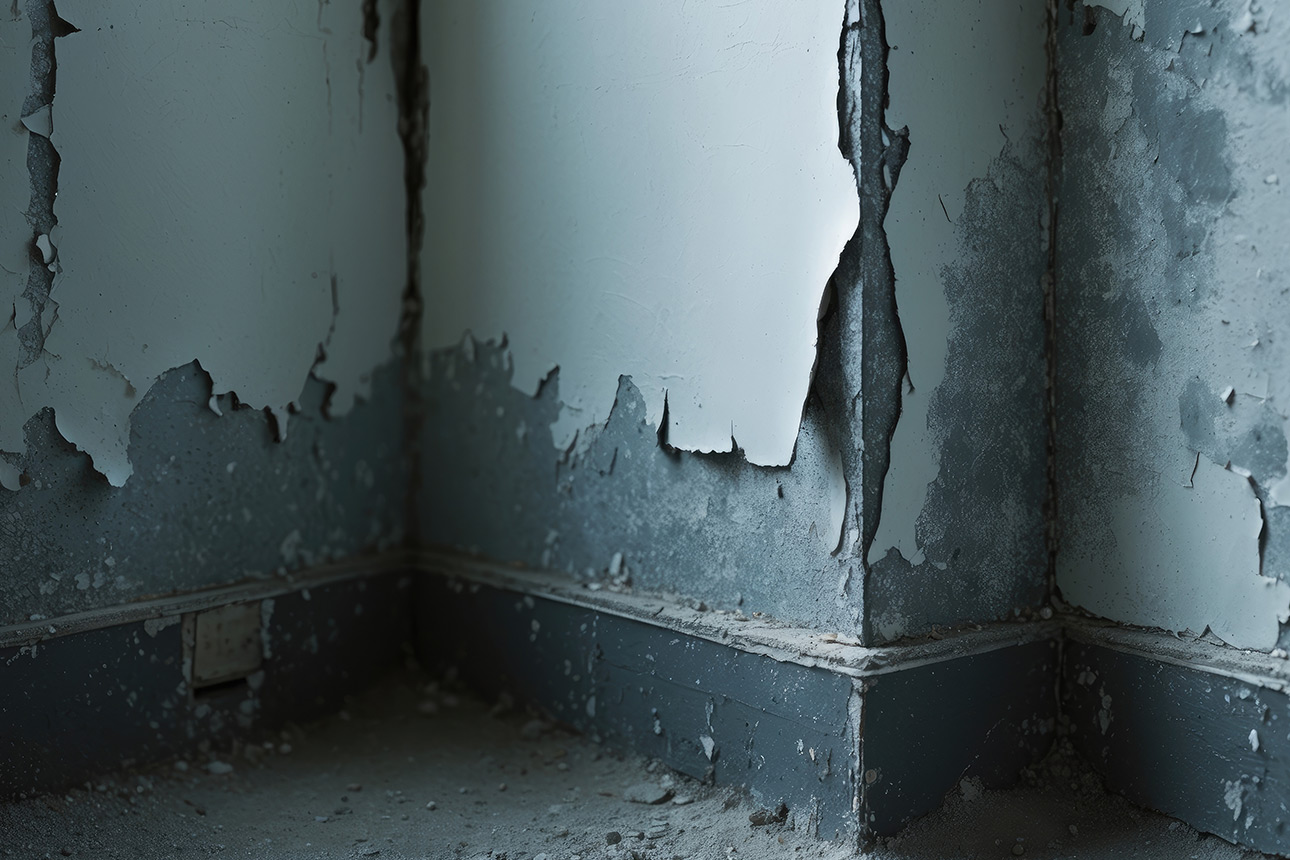
    Homeowners who discover lead paint or lead dust in their homes often hope that their insurance policy will help cover the cost of removal or abatement. Unfortunately, in North Carolina and across the United States, most homeowners insurance policies do not cover lead removal. Lead is considered a pollutant and a maintenance issue rather than a sudden, accidental event. Because of this classification, insurers typically exclude it from standard policies. Even though lead hazards can be serious and require professional intervention, insurance companies treat them much like mold, asbestos, or termite damage. These risks develop over time and fall under the homeowner’s responsibility to maintain the property. Understanding why insurance excludes lead removal and which situations may offer exceptions helps homeowners prepare for the costs associated with eliminating lead hazards. Lead abatement is a permanent solution that requires certified professionals, and although insurance rarely pays for it, the investment provides long term safety and peace of mind.

    Why Lead Removal Is Not Covered by Most Insurance Policies

    Insurance companies design their policies to cover sudden and accidental damage, such as a fire, storm, or burst pipe. Lead paint hazards do not fall under this category because the paint was present long before the policy was issued. Insurers view lead as a latent defect or pre existing condition. When a home was built before 1978, the insurer assumes the owner is aware that lead paint may be present. Because of this, lead hazards are excluded from coverage unless a very specific chain of events causes them.

    Lead is also classified as a pollutant by most insurance companies. Pollution exclusions cover a broad category that includes contaminants such as mold, asbestos, chemicals, and lead. Because pollutants are difficult and costly to remediate, insurers avoid covering them whenever possible. These exclusions are written directly into the policy and apply to both removal and cleanup.

    Finally, maintaining the condition of painted surfaces is considered part of routine home maintenance. If lead paint deteriorates, insurers view this as a failure to maintain the property rather than an insurable event. This classification further supports their decision not to cover lead removal.

    Situations Where Insurance Might Offer Limited Coverage

    Although lead abatement itself is rarely covered, certain related situations may qualify for partial coverage. For example, if a covered event such as a storm or fire damages a wall or window that contains lead paint, the insurer may cover the cost of repairing that damage. However, the insurer usually does not pay for the removal of additional lead hazards discovered during repairs. Their responsibility ends once the damaged area is returned to its previous condition.

    Another situation can occur when a contractor causes damage by failing to follow proper safety procedures. If a renovation contractor disturbs lead paint and contaminates the home with dust due to negligence, their liability insurance may be required to pay for cleanup. This is not the same as homeowners insurance paying for abatement, but it does offer a potential avenue for remediation.

    Insurance may also help if a plumbing failure or water leak damages building materials that contain lead paint. In that case, the insurer may pay to replace the water damaged surface but not remove lead paint from additional areas of the home.

    These exceptions depend heavily on policy language, and homeowners must review their documents carefully to understand the limitations.

    Why Professional Lead Abatement Is Still Necessary

    Even though insurance typically does not cover lead removal, certified lead abatement remains the safest and most effective way to eliminate lead hazards. Lead exposure poses serious health risks, especially for young children. Symptoms of lead poisoning include developmental delays, learning difficulties, behavioral problems, and neurological damage. Because these risks are severe and long lasting, homeowners should not rely on temporary fixes or hope that insurance will eventually assist. Certified abatement professionals follow strict procedures to remove or permanently control lead hazards. They understand how to contain dust, how to dispose of hazardous materials, and how to conduct clearance testing to verify the home is safe. Attempting do it yourself lead removal is extremely dangerous. Scraping, sanding, or disturbing lead paint without proper containment spreads dust throughout the home and worsens the hazard. For homeowners in Charlotte and surrounding areas, professional lead abatement also protects future property value. Buyers, renters, and inspectors often ask about lead hazards in older properties. Having documentation of certified abatement demonstrates that the home meets modern safety standards.

    Alternative Financial Options for Lead Abatement

    Although homeowners insurance rarely pays for lead removal, other financial resources may be available depending on location and eligibility. Some counties in North Carolina offer limited grant programs for families with young children, especially when lead hazards pose a direct health threat. Federal HUD funded programs may assist with hazard control in qualifying properties. Local organizations sometimes offer low interest loans for health and safety improvements.

    Homeowners may also speak with certified abatement firms about payment options. Many companies understand the urgency of lead hazards and work with families to develop manageable payment plans.

    Lead Removal in Charlotte’s Older Homes

    Charlotte contains many neighborhoods built long before 1978, including Dilworth, Plaza Midwood, NoDa, Elizabeth, and several historic mill communities in surrounding towns. These homes often contain multiple layers of lead paint on windows, doors, stair railings, and exterior trim. Weather exposure, renovations, and general aging can cause these layers to deteriorate, creating lead dust that spreads easily throughout the home. Because of the age of these homes and the high likelihood of lead hazards, homeowners insurance exclusions are especially relevant in Charlotte. Understanding that insurance rarely pays for removal allows homeowners to plan accordingly and take proactive steps to protect their families. Addressing lead hazards before beginning a renovation can also prevent contamination and reduce long term costs.

    Conclusion

    Most homeowners insurance policies do not cover lead removal or abatement. Lead is classified as a pollutant, a pre existing condition, and a maintenance issue, which excludes it from standard coverage. While limited exceptions exist when damage is caused by a covered event or by contractor negligence, these exceptions do not typically include full lead abatement. Despite the lack of insurance coverage, certified lead abatement remains the safest and most responsible way to address lead hazards in older homes. For families in Charlotte and across North Carolina, understanding these insurance limitations helps ensure that lead hazards are handled properly and that the home remains a safe environment for everyone.

    Related articles

    Reliable, scalable builds for retail, office, and industrial spaces—delivered with zero surprises.
  • Lead Paint Removal Services in Charlotte NC

    Lead Paint Removal Services in Charlotte NC

    Lead Paint Removal Services in Charlotte NC

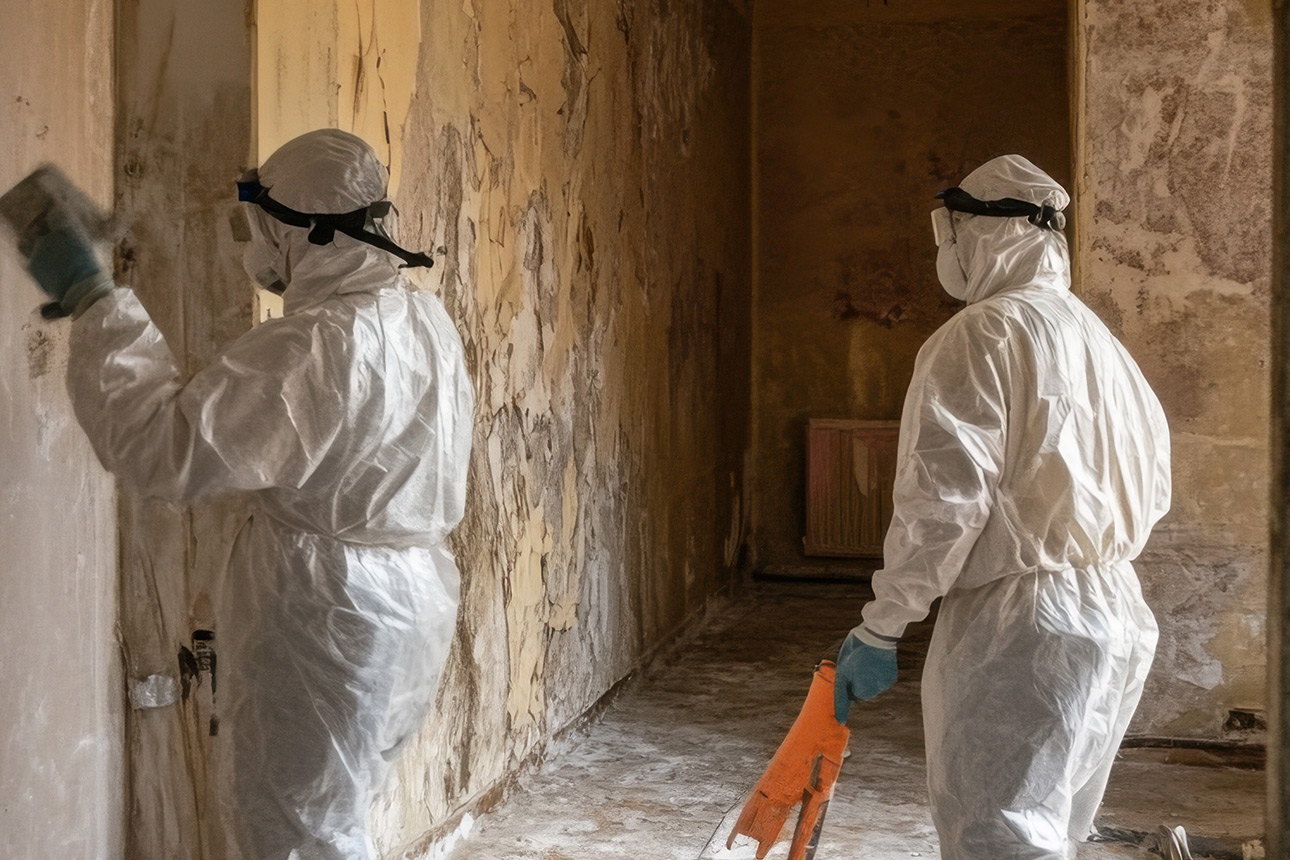
    Charlotte is home to some of the most historic and architecturally significant neighborhoods in North Carolina. Many of these homes were built long before the 1978 ban on lead-based paint. As a result, homeowners in areas such as Dilworth, Plaza Midwood, Elizabeth, NoDa, Myers Park, Gastonia, Concord, and Monroe frequently encounter lead paint concerns, especially during renovation projects. Lead paint removal services play a critical role in protecting families from exposure to hazardous dust created by deteriorating or disturbed lead paint. Because lead is most dangerous in its dust form, proper removal requires certified expertise, careful containment, and strict safety procedures. Lead paint removal is part of a broader field known as lead abatement. It is a regulated process designed to permanently reduce or eliminate lead hazards. Removing lead paint is not the same as simply scraping or repainting. It must follow specific steps to ensure the hazard is controlled rather than spread throughout the home. Charlotte’s older homes often require this level of professional attention due to their age, condition, and construction patterns.

    Why Lead Paint Removal Is Necessary

    Lead paint becomes dangerous as it ages. When the paint cracks, chips, or deteriorates, it releases fine dust that collects on surfaces where children play. Even microscopic amounts of dust can cause severe health problems, including behavioral issues, developmental delays, and learning difficulties. Windows and doors are particularly risky because they generate dust every time they move. Exterior lead paint can flake into the soil, creating an additional hazard for children and pets.

    Renovations often increase the danger. Cutting, sanding, or scraping painted surfaces releases large amounts of dust into the air. Without proper containment, this dust spreads throughout the home and contaminates carpets, furniture, bedding, and HVAC systems. Because lead dust is invisible, homeowners may not realize the full extent of contamination until testing reveals the hazard.

    Professional lead paint removal eliminates this risk by using certified procedures that prevent dust release and ensure safe disposal.

    How Certified Lead Paint Removal Works

    Lead paint removal begins with an inspection to determine where lead is present and which areas pose the greatest risk. A certified lead inspector or risk assessor performs this evaluation. Once hazards are identified, a removal plan is developed. This plan outlines the method of removal, the containment strategy, and the follow-up procedures required to confirm the home is safe.

    Containment is installed before any removal begins. Floors, doorways, and vents are sealed. Plastic barriers isolate the work area. Negative air pressure systems may be used to keep dust from escaping. These measures ensure that hazardous particles remain inside the work area at all times.

    Certified professionals then remove the lead paint using approved methods. These methods may include chemical stripping, HEPA-assisted sanding, controlled wet scraping, or off-site removal of components. Unsafe practices such as dry sanding, uncontrolled scraping, and high heat tools are prohibited because they create excessive dust. Professionals receive extensive training on how to remove lead paint safely and efficiently while protecting the rest of the home.

    Once the paint is removed, the area undergoes a multi-step cleaning process using HEPA vacuums and wet washing. This process removes any remaining dust from floors, walls, and surrounding surfaces. After cleaning, a certified inspector collects dust samples for laboratory testing. The home is considered safe only after dust levels meet state and federal clearance standards.

    Types of Lead Paint Removal Services Offered

    Lead paint removal services vary depending on the condition of the home and the wishes of the homeowner. Some projects involve stripping paint from original woodwork to preserve historic features. Others require removing entire components such as windows or doors because friction makes it impossible to control dust without full replacement. Exterior lead paint removal may involve chemical stripping or controlled scraping followed by repainting with non lead coatings.

    Some homes require soil remediation if paint chips have contaminated the ground around the property. Soil abatement may include removing topsoil, replacing it with clean fill, or installing long-term protective coverings. Each of these services must follow strict guidelines to ensure safety and compliance.

    Why DIY Lead Paint Removal Is Extremely Dangerous

    Homeowners sometimes consider removing lead paint themselves. This is never recommended. Disturbing lead paint without proper containment exposes the home to widespread contamination. Dry sanding or scraping produces large amounts of airborne dust that travel far beyond the work area. Vacuuming with standard equipment does not capture lead particles, and household cleaners cannot remove them effectively.

    Attempting DIY removal may also violate state and federal regulations. North Carolina requires that lead abatement, including certain forms of removal, be performed only by certified professionals. Improper removal can result in fines, legal issues, and costly cleanup.

    Why Charlotte Homes Often Require Professional Removal

    Many Charlotte neighborhoods contain homes built between the early 1900s and the mid 1970s. These homes commonly feature detailed wood trim, original sash windows, and decorative elements that hold multiple layers of lead paint. Because these surfaces experience friction and weather exposure, deterioration is common. Moisture and humidity also play a role in breaking down old paint layers.

    Renovation trends in Charlotte involve opening up floor plans, restoring historic features, or replacing older components. These projects frequently disturb lead paint, making professional removal essential for preventing contamination.

    Benefits of Professional Lead Paint Removal

    Hiring certified professionals ensures that lead hazards are properly identified, safely managed, and permanently resolved. Removal reduces the risk of long-term exposure, protects children and vulnerable adults, and increases the overall health of the home. Homes that undergo certified abatement also have documented safety improvements that enhance resale value. Buyers are more confident in a property when they know lead hazards have been professionally addressed.

    Professional removal also creates a safer environment for future renovations. Once lead hazards have been eliminated, contractors can work freely without the need for additional lead safe precautions.

    Conclusion

    Lead paint removal services in Charlotte NC play an essential role in protecting families living in older homes. Lead hazards are common in pre 1978 properties, and removing them requires certified expertise, proper containment, and regulated procedures. Professional removal eliminates hazardous dust, improves home safety, and provides peace of mind for homeowners. For families in Charlotte area and surrounding areas, choosing certified lead paint removal ensures long term protection and a healthier living environment.

    Related articles

    Reliable, scalable builds for retail, office, and industrial spaces—delivered with zero surprises.
  • Can I Just Paint Over Lead Paint?

    Can I Just Paint Over Lead Paint?

    Can I Just Paint Over Lead Paint?

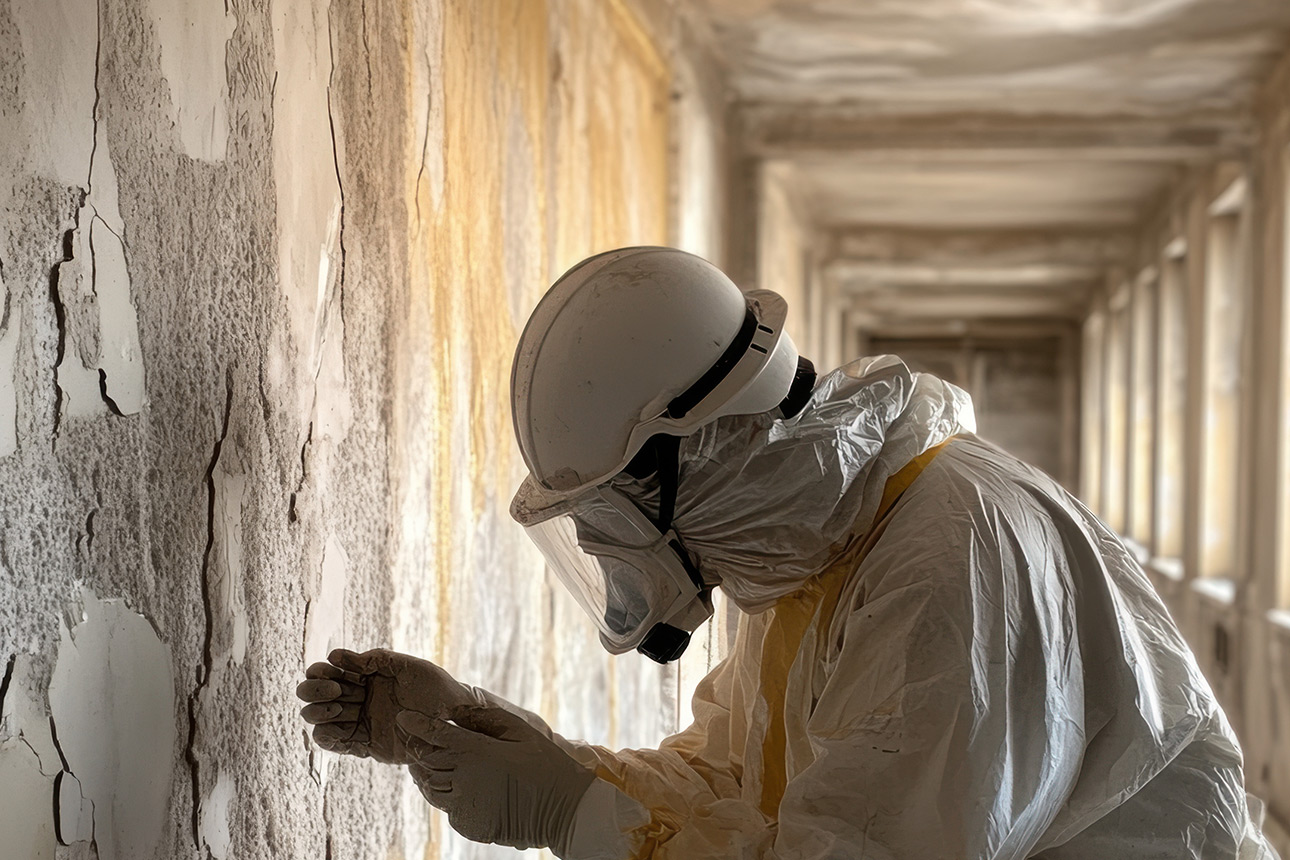
    Painting over lead paint is one of the first ideas homeowners consider when they discover that a pre 1978 home may contain hazardous paint. It seems simple and inexpensive, and many people believe it is a safe solution. The reality is more complicated. Yes, you can paint over lead paint in certain situations, but it must be done using approved materials and proper preparation. Even then, painting over lead paint is not the same as removing the hazard. It is not considered abatement and does not permanently eliminate the risk. Understanding when painting is acceptable and when professional abatement is required is essential for keeping your home safe. Homes built before 1978 in Charlotte and throughout North Carolina often contain multiple layers of lead paint beneath newer coatings. These older layers become hazardous when they deteriorate or when friction or impact occurs on the painted surface. Windows, doors, trim, and exterior wood are especially vulnerable. Painting over these areas may seem like a quick fix, but it does not prevent dust from being released when surfaces move or wear down over time. This is why certified lead abatement is often needed to properly address the hazard.

    Painting Over Lead Paint Is Called Encapsulation

    When painting over lead paint is appropriate, the method used is known as encapsulation. Encapsulation involves applying a special paint like material that is specifically designed to seal lead paint. Regular household paint is not strong enough and does not bond properly to lead surfaces. Encapsulants are engineered to create a thick, durable barrier that prevents underlying lead layers from chipping or creating dust.

    Encapsulation can only be used when the surface is stable and in good condition. If the paint is already peeling, cracked, bubbled, or loose, encapsulation will not solve the problem. The underlying instability will eventually cause the new coating to fail. Moisture issues, structural shifts, and temperature changes can also compromise encapsulants.

    Encapsulation Is Not a Permanent Solution

    Painting over lead paint may provide a temporary improvement, but it does not eliminate the lead. The hazard still exists beneath the encapsulant. Encapsulated surfaces must be monitored regularly to ensure the coating has not cracked or separated. In some homes, especially older Charlotte homes with significant humidity or shifting foundations, encapsulation may fail sooner than expected.

    Encapsulation cannot be used on friction surfaces. Any surface that moves or rubs against another surface will break down even the strongest encapsulants. Windows and doors are the most common examples. Each time a window sash slides or a door opens and closes, the friction grinds the paint layers beneath the encapsulant. This produces lead dust that escapes into the home even if the top layer appears intact. For these surfaces, abatement through component removal or enclosure is usually the safer and more effective option.

    Risks of Painting Over Lead Paint Without Proper Preparation

    Some homeowners attempt to paint over lead paint using standard paint and regular preparation methods. This is extremely unsafe. Dry sanding, scraping, or power washing lead paint creates high levels of airborne dust that can contaminate the entire home. Lead dust settles into carpets, HVAC systems, window troughs, and children’s play areas. Once contamination occurs, it requires professional cleaning to correct. Even seemingly harmless steps like lightly sanding to smooth a surface can release dangerous particles. This is why lead safe work practices are required for any renovation in a pre 1978 home. Painting over lead paint should never be attempted without first determining whether the surface is safe for encapsulation and whether proper containment and cleaning procedures are in place.

    When Painting Over Lead Paint Is Appropriate

    Painting over lead paint can be an acceptable option when the original paint is in good condition, the surface does not experience friction or impact, and the homeowner uses an approved encapsulant. Smooth walls and ceilings are typical surfaces where encapsulation may work well. Areas that remain dry and experience little movement are the most reliable candidates.

    A certified lead inspector or risk assessor can evaluate the surface to determine whether encapsulation is safe. They will test the paint layers, check for moisture problems, and examine whether the existing surface is stable enough to support an encapsulant. If these conditions are met, encapsulation may offer a temporary but safe reduction in lead exposure.

    When Painting Over Lead Paint Is Not Safe

    Encapsulation is not suitable for deteriorating surfaces. If the lead paint is peeling, flaking, chalking, or bubbling, the hazard must be removed or enclosed. Painting over damage only hides the problem temporarily. The new layer will eventually fail and reveal the underlying danger.

    Encapsulation is also unsafe for windows, doors, stair railings, cabinets, and any surface that moves or receives regular contact. In these cases, abatement techniques such as component removal or enclosure are required. Homes with moisture issues, such as leaking roofs or damp basements, are also poor candidates for encapsulation because humidity can cause coatings to fail more quickly.

    Lead Abatement Is the Only Permanent Solution

    Painting over lead paint does not remove the hazard. It simply covers it. For homeowners who want a permanent solution, certified lead abatement is the correct approach. Abatement removes lead paint, replaces hazardous components, or encloses surfaces in a permanent barrier. It provides long term safety, eliminates the source of exposure, and increases the value of the home. In Charlotte and throughout North Carolina, many older homes require a combination of abatement methods to address windows, doors, trim, and exterior wood. Certified professionals follow strict containment and cleanup procedures to ensure the home remains safe throughout the process.

    Conclusion

    Painting over lead paint can be safe in specific situations, but it is not a permanent fix. Encapsulation works only when the surface is stable, smooth, and free from friction. It cannot be used on windows, doors, or any moving surface. It does not eliminate the lead, and it requires ongoing monitoring to remain effective. The only permanent way to remove a lead hazard is through certified abatement. For North Carolina homeowners who want to protect their families and ensure long term safety, professional lead abatement remains the most reliable and responsible solution.

    Related articles

    Reliable, scalable builds for retail, office, and industrial spaces—delivered with zero surprises.
  • What Are the 4 Methods of Abatement?

    What Are the 4 Methods of Abatement?

    What Are the 4 Methods of Abatement?

    Lead abatement is the process of permanently reducing or eliminating lead hazards from a home or building. It is a regulated procedure overseen by state and federal authorities and performed only by certified professionals. The goal is to remove lead-based paint hazards that threaten the health of occupants, especially young children. In Charlotte and throughout North Carolina, older homes often contain layers of lead paint buried beneath newer coatings. When the paint deteriorates or is disturbed during renovations, dangerous lead dust can spread throughout the property. To eliminate these hazards, professionals rely on four primary abatement methods. These methods include component removal, enclosure, encapsulation, and paint removal. Each method serves a specific purpose depending on the condition of the home and the type of hazard present.

    Understanding these methods helps homeowners make informed decisions when addressing lead hazards. It also highlights why abatement must be performed by certified experts who understand the complexities of each approach.

    Component Removal

    Component removal is considered the most permanent and reliable form of lead abatement. This method involves physically removing building components that contain lead paint. These components may include windows, doors, trim, cabinets, stair parts, and exterior elements such as siding or porch railings. In many older Charlotte homes, original windows are a significant source of lead dust because friction occurs each time the window opens or closes. Removing these components eliminates the source of the hazard entirely.

    Once removed, new lead-free components replace the old ones. This approach not only eliminates the lead hazards but also often improves energy efficiency, functionality, and appearance. Component removal is more labor intensive and may have a higher cost, but it is widely regarded as the most effective long-term solution because the lead source is physically taken out of the house.

    Enclosure

    Enclosure is another method used to isolate lead hazards. In this approach, workers cover the lead-painted surface with a durable, permanent barrier. The barrier may consist of drywall, paneling, metal, rigid boards, or other long-lasting materials. The goal of enclosure is to seal the lead so that no dust can escape into the living environment. Enclosure is especially useful for large surfaces such as walls, ceilings, or structural supports. It is often chosen when removal would disturb too much of the home or when the underlying paint is firmly attached but still poses a hazard because it contains lead. One of the benefits of enclosure is that it is faster and less disruptive than full removal. However, it requires proper installation. If the barrier is damaged, the hazard may reappear. Therefore, certified professionals ensure that seams, joints, and edges are properly sealed to prevent exposure.

    Encapsulation

    Encapsulation involves applying a special coating designed specifically to seal lead paint. This is not the same as applying regular household paint. Encapsulants are engineered to bond tightly to lead surfaces and create a flexible, durable coating that prevents dust from escaping. Encapsulation works best on surfaces that are intact, smooth, and not subject to friction or impact. It is not suitable for windows, doors, or any surface that moves or receives repeated wear.

    Encapsulation is often considered a cost-effective option because it does not require demolition or component replacement. However, it is not a permanent solution in the same way component removal is. Encapsulated areas require periodic inspection to ensure the coating remains intact. Moisture problems, movement in the structure, or aging surfaces can cause encapsulants to fail over time. When used in the right conditions, encapsulation provides an effective and safe abatement method.

    Paint Removal

    Paint removal is a method used when the homeowner wishes to preserve original architectural features or when removal is the most practical way to eliminate the hazard. Certified professionals use safe, approved techniques to strip lead paint from surfaces. These techniques may include chemical stripping, wet scraping, HEPA-assisted sanding, or controlled heat applications. The goal of paint removal is to eliminate the hazardous paint without releasing dangerous dust into the home.

    This method is often chosen for historic homes in Charlotte, where preserving original woodwork, trim, or decorative details is important. Because paint removal is highly sensitive and must be done with specialized equipment, it requires careful planning and containment. Professionals test the surface before and after removal to ensure the process does not create new hazards.

    How Professionals Choose the Correct Method

    Certified lead abatement professionals begin with a lead inspection or risk assessment. This evaluation determines where the hazards exist, how severe they are, and which abatement method will provide the safest and most efficient solution. In many cases, a combination of methods is used. For example, an older home may require component removal for windows, enclosure for ceilings, and encapsulation for walls that remain structurally sound.

    Professionals also consider future renovation plans, the age of the home, the presence of children, and budget constraints. Because each method has its strengths and limitations, selecting the right approach is essential for ensuring long-term safety.

    Abatement in Charlotte’s Older Neighborhoods

    Charlotte has many historic and pre-1978 neighborhoods where lead hazards are common. Areas such as Dilworth, Plaza Midwood, NoDa, Elizabeth, Myers Park, Gastonia, Concord, and Monroe frequently require abatement services. Homes in these areas often contain original wood windows, extensive trim, and multiple layers of old paint. Certified professionals understand the construction patterns in older North Carolina homes and choose abatement methods tailored to the structure and age of the property.

    Conclusion

    The four primary lead abatement methods are component removal, enclosure, encapsulation, and paint removal. Each method serves a specific purpose and requires certified expertise to execute correctly. Component removal offers the most permanent solution, while enclosure and encapsulation provide effective options for certain conditions. Paint removal is valuable for homes with historic or detailed architectural features. Because lead abatement is a regulated and sensitive process, homeowners in Charlotte and throughout North Carolina rely on certified professionals to determine the safest and most effective method. Proper abatement protect occupants, improves home safety, and ensures compliance with state and federal regulations.

    Related articles

    Reliable, scalable builds for retail, office, and industrial spaces—delivered with zero surprises.
  • What Is Lead Abatement?

    What Is Lead Abatement?

    What Is Lead Abatement?

    Lead abatement is the permanent removal or elimination of lead-based paint hazards from a home or building. It is a regulated process that goes far beyond simple repairs or painting. Lead abatement is performed only by certified professionals who follow state and federal requirements designed to protect families from toxic lead exposure. Homes built before 1978 in North Carolina, especially in the Charlotte area, often contain layers of lead-based paint on trim, windows, doors, railings, and exterior wood. When this paint deteriorates, or when the surface is disturbed during renovations, it can release fine lead dust that poses a serious health risk.

    Lead abatement is considered the most reliable long-term solution because it does not simply cover the hazard. Instead, it removes or permanently seals it in a regulated and documented manner. The goal is to create a safe indoor environment where children and adults are not exposed to lead particles that can cause neurological, developmental, and behavioral problems.

    Why Lead Abatement Matters in North Carolina

    Many people assume that lead paint becomes dangerous only when it is visibly chipping or flaking. In reality, the most harmful form of lead is dust, which is invisible and easily spread throughout a home. Dust settles into floors, HVAC systems, toys, bedding, and window troughs. Children are particularly vulnerable because they crawl, touch surfaces frequently, and may ingest lead particles without any visible signs of contamination.

    North Carolina contains many neighborhoods built long before the 1978 ban on lead paint. Charlotte, Concord, Gastonia, Monroe, and Kannapolis all have significant concentrations of older homes. Even when a home has been repainted many times, the underlying layers of lead paint may still be present and can become hazardous when disturbed. Lead abatement provides a permanent solution by eliminating or securing these hidden dangers.

    Lead Abatement and Lead-Safe Renovation Are Not the Same

    Homeowners often confuse lead abatement with the EPA’s Renovation , Repair and Painting Rule, also known as RRP. Lead-safe renovation focuses on minimizing dust during remodeling. It does not remove lead hazards permanently. Certified renovation contractors follow safety guidelines, but their goal is to complete remodeling work safely, not to eliminate lead from the home. Lead abatement is different. It is a specialized process with the specific purpose of permanently reducing or eliminating lead hazards. Abatement must be carried out by NC Certified Lead Abatement professionals. It must follow strict procedures, and it must pass clearance testing before the area is considered safe for occupancy.

    Where Lead Hazards Are Commonly Found

    In older homes, lead paint was used on a wide range of surfaces. Windows are often the most concerning because the opening and closing of the sash creates friction that releases dust. Doors and doorframes produce similar friction. Trim, baseboards, railings, exterior siding, and porch elements are also frequent sources of lead. Even when the top layer of paint looks clean and intact, movement and aging can break down underlying layers and contaminate the home.

    Lead hazards also appear in soil when exterior paint deteriorates or when historic renovation dust settles around the home. Children playing in contaminated soil can easily be exposed without any visible signs of danger.

    How Lead Abatement Works

    Lead abatement follows a consistent workflow. First, a certified lead inspector or risk assessor evaluates the home to determine where lead hazards exist. This involves testing paint, dust, and sometimes soil. Once the hazards are identified, a written abatement plan is created. This outlines the methods that will be used, the areas affected, the containment procedures required, and the steps for final clearance.

    Before work begins, containment is installed. This includes sealing off work areas, protecting floors, closing HVAC vents, and using systems that prevent dust from spreading. Once containment is in place, the abatement team performs the chosen removal methods. These may include physically removing components such as windows or trim, applying permanent barriers, using specially formulated encapsulants, or stripping existing lead paint safely. Soil abatement may also be included when necessary.

    After the work is complete, the home undergoes a detailed cleaning process. HEPA vacuums and wet washing are used to ensure that all dust is removed. When cleanup is complete, a certified inspector performs clearance testing. The home is considered safe only when the dust samples meet state and federal standards.

    When Lead Abatement Is Necessary

    Lead abatement is strongly recommended when deteriorated lead paint is present, when a child has elevated blood lead levels, when a home is undergoing significant renovation, or when a property must comply with rental or childcare regulations. Abatement may also be required during real estate transactions or when an official hazard order is issued.

    Even in cases where lead paint appears intact, friction surfaces such as windows and doors may still produce hazardous dust. Many North Carolina homeowners choose abatement voluntarily because it provides long-term safety and protects the value of the home.

    Conclusion

    Lead abatement is a permanent, highly regulated process designed to eliminate lead hazards from a home. It is not the same as painting over lead or completing a standard renovation project. Abatement requires certified professionals, controlled procedures, proper disposal methods, and official clearance testing. For North Carolina homeowners living in pre-1978 homes, lead abatement offers peace of mind, greater safety for children, and long-term protection of the property. B2L Construction provides certified and reliable lead abatement services that meet all state and federal requirements.

    Related articles

    Reliable, scalable builds for retail, office, and industrial spaces—delivered with zero surprises.
  • New Garage

    New Garage

    New Garage

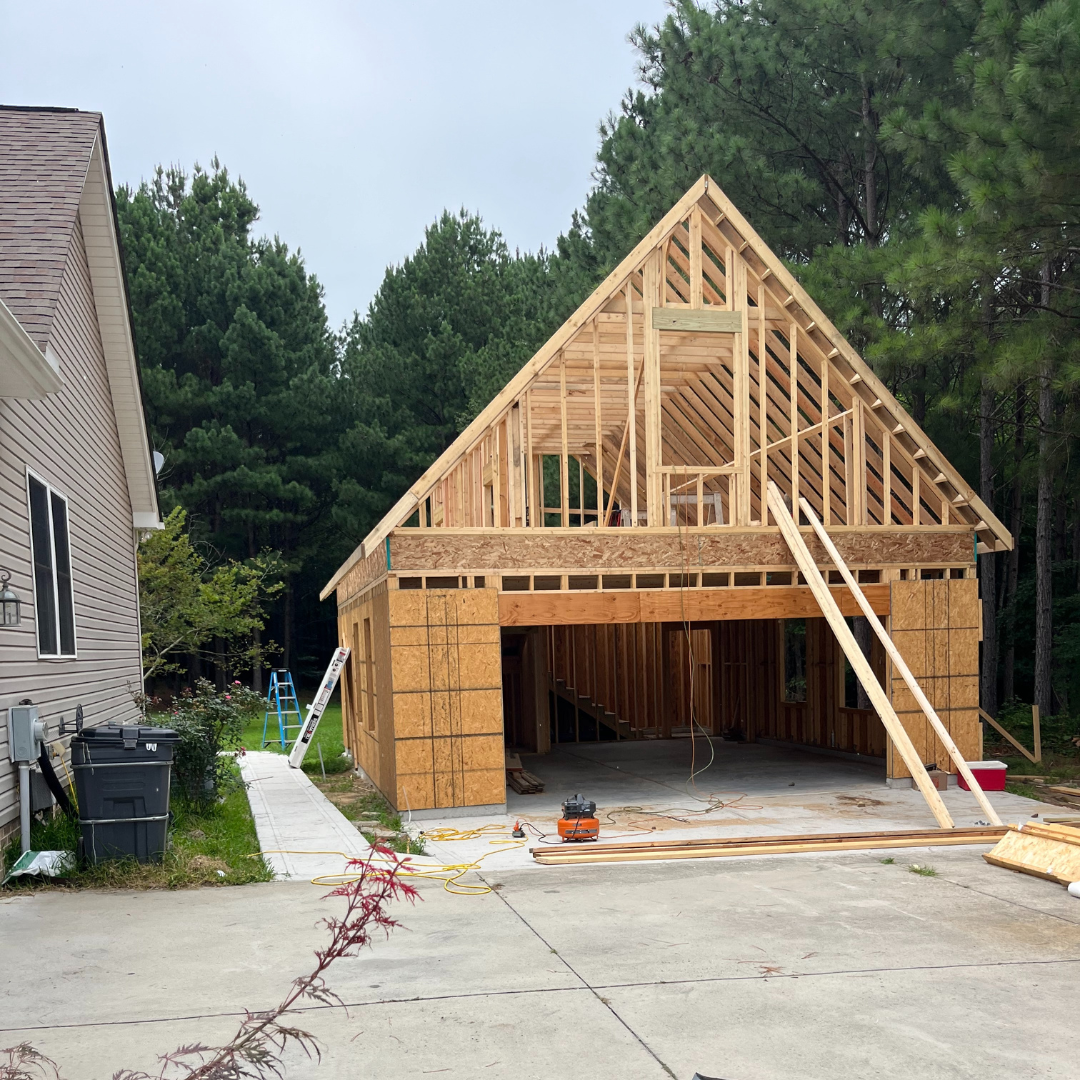
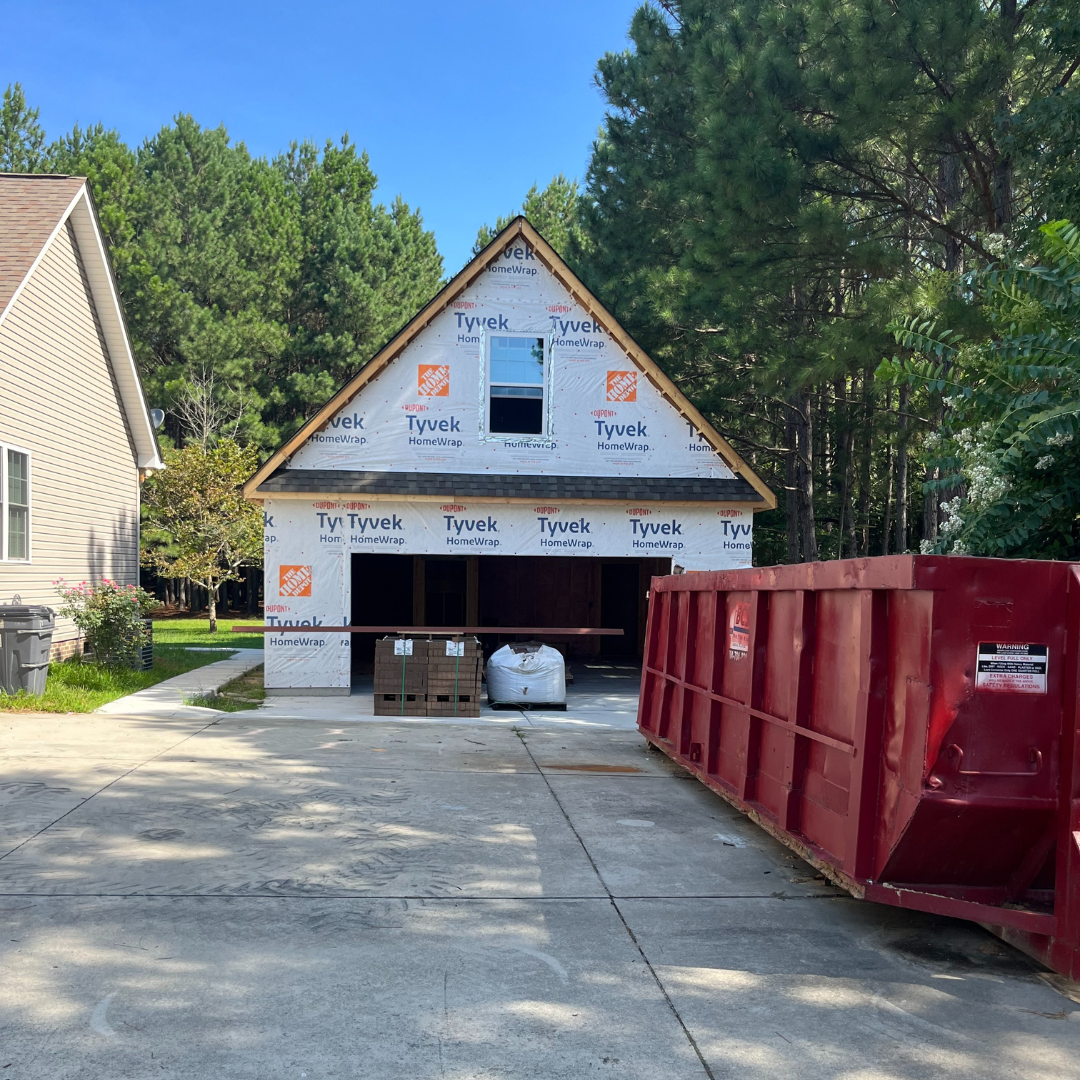
    Detached or attached garages constructed for utility, style, and seamless integration with existing structures.
  • Garage Conversion

    Garage Conversion

    Garage Conversion

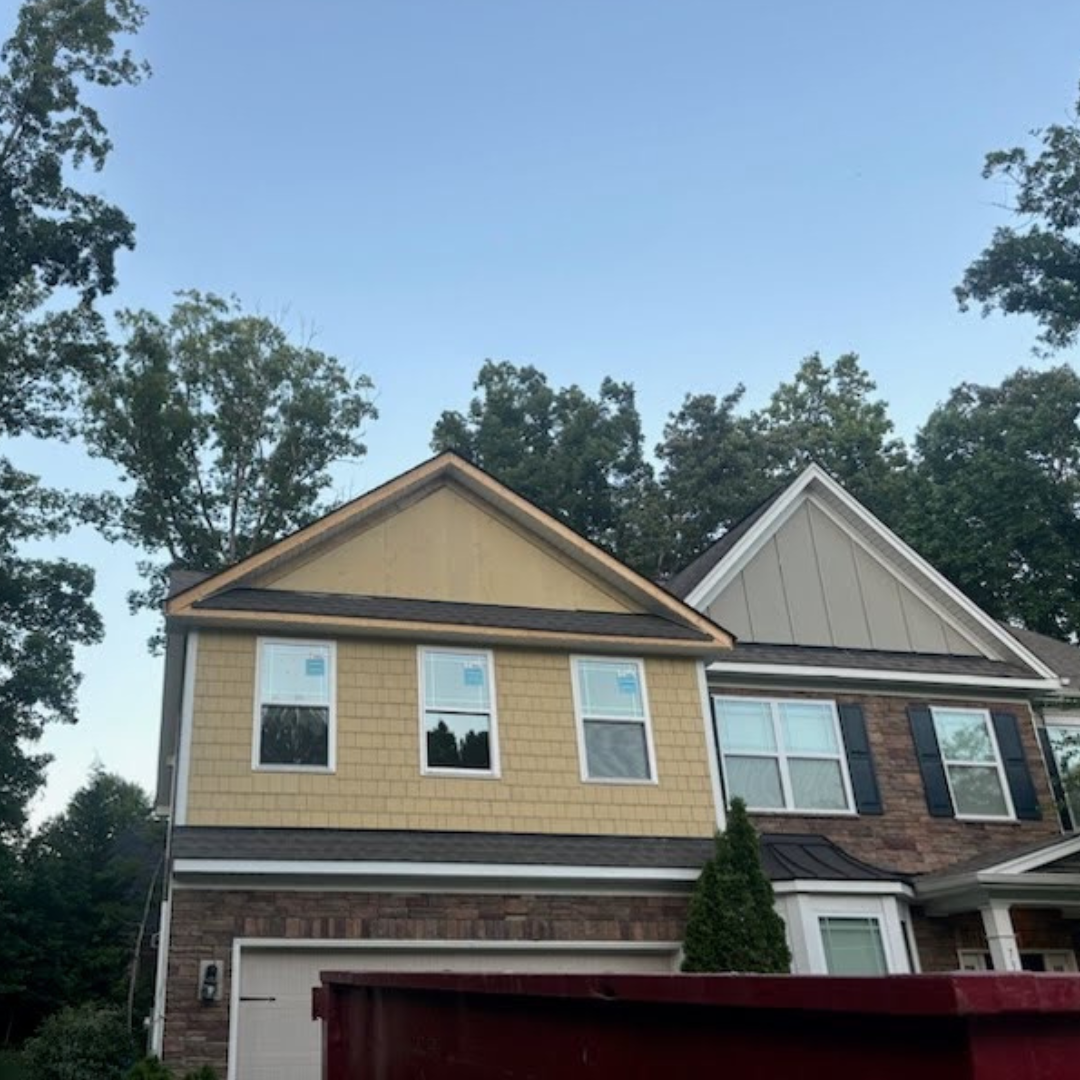
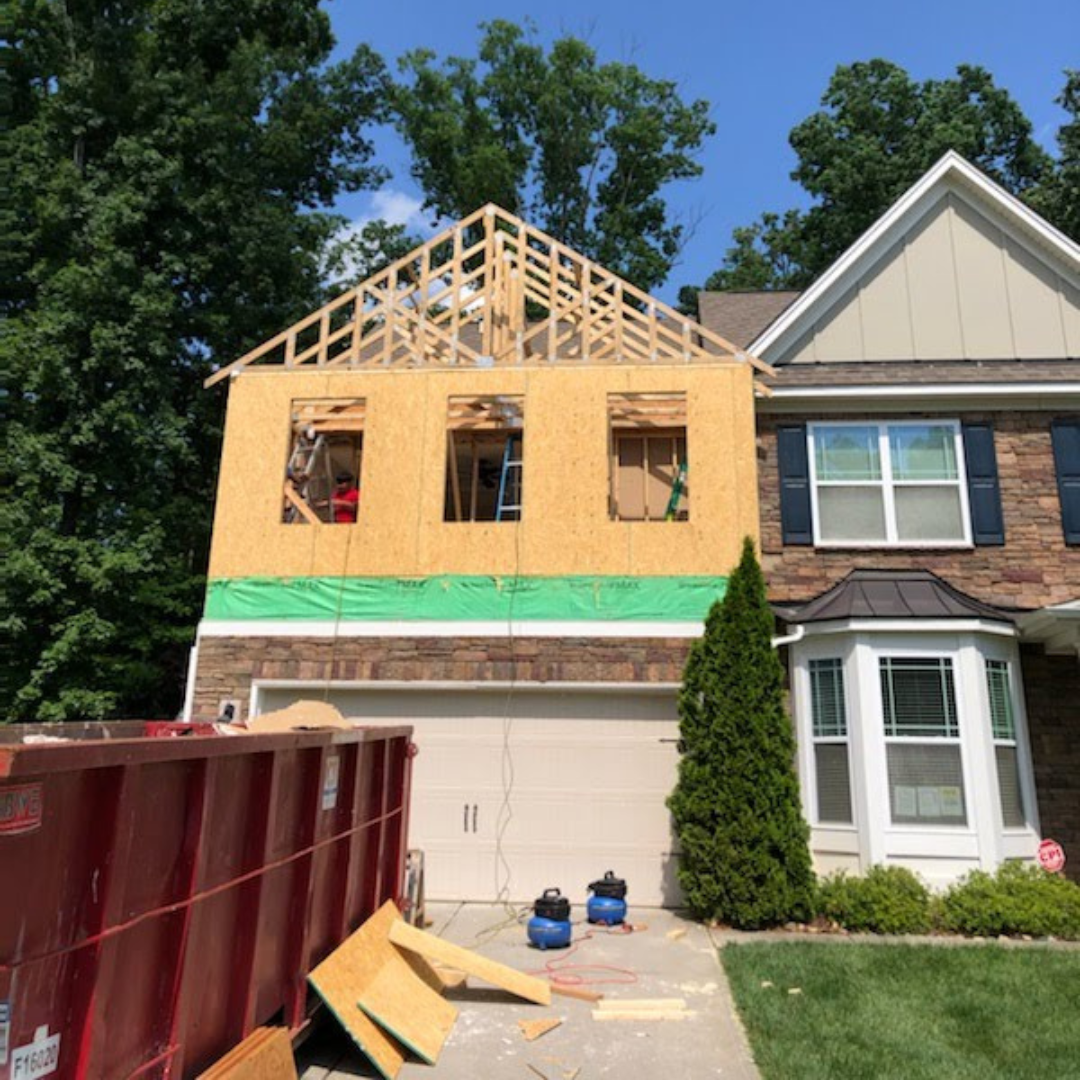
    Smart renovation turning existing garages into functional living or workspace areas with comfort and insulation upgrades.