What Is Lead Abatement?
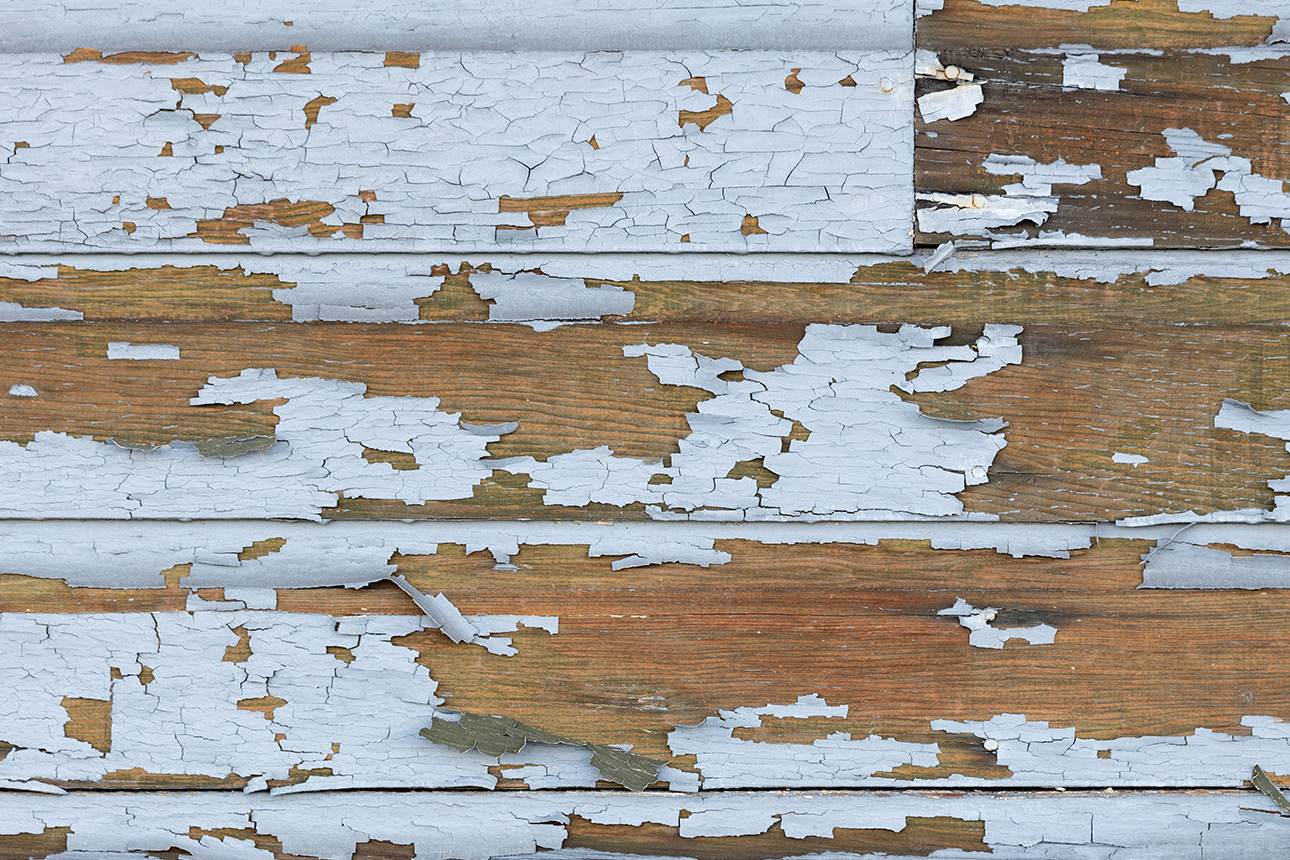
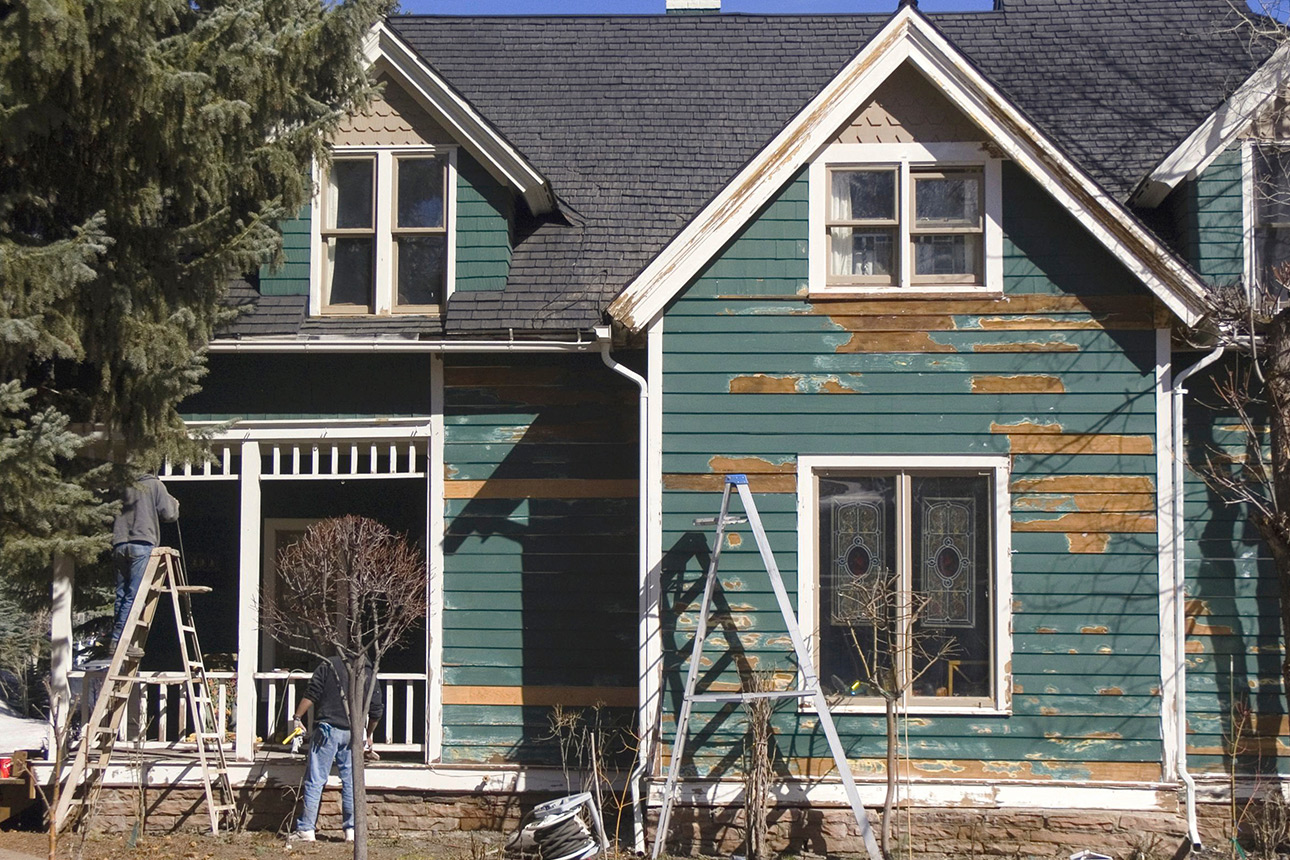
Lead abatement is the permanent removal or elimination of lead-based paint hazards from a home or building. It is a regulated process that goes far beyond simple repairs or painting. Lead abatement is performed only by certified professionals who follow state and federal requirements designed to protect families from toxic lead exposure. Homes built before 1978 in North Carolina, especially in the Charlotte area, often contain layers of lead-based paint on trim, windows, doors, railings, and exterior wood. When this paint deteriorates, or when the surface is disturbed during renovations, it can release fine lead dust that poses a serious health risk.
Lead abatement is considered the most reliable long-term solution because it does not simply cover the hazard. Instead, it removes or permanently seals it in a regulated and documented manner. The goal is to create a safe indoor environment where children and adults are not exposed to lead particles that can cause neurological, developmental, and behavioral problems.
Why Lead Abatement Matters in North Carolina
Many people assume that lead paint becomes dangerous only when it is visibly chipping or flaking. In reality, the most harmful form of lead is dust, which is invisible and easily spread throughout a home. Dust settles into floors, HVAC systems, toys, bedding, and window troughs. Children are particularly vulnerable because they crawl, touch surfaces frequently, and may ingest lead particles without any visible signs of contamination.
North Carolina contains many neighborhoods built long before the 1978 ban on lead paint. Charlotte, Concord, Gastonia, Monroe, and Kannapolis all have significant concentrations of older homes. Even when a home has been repainted many times, the underlying layers of lead paint may still be present and can become hazardous when disturbed. Lead abatement provides a permanent solution by eliminating or securing these hidden dangers.
Lead Abatement and Lead-Safe Renovation Are Not the Same
Homeowners often confuse lead abatement with the EPA’s Renovation
, Repair and Painting Rule, also known as RRP. Lead-safe renovation focuses on minimizing dust during remodeling. It does not remove lead hazards permanently. Certified renovation contractors follow safety guidelines, but their goal is to complete remodeling work safely, not to eliminate lead from the home.
Lead abatement is different. It is a specialized process with the specific purpose of permanently reducing or eliminating lead hazards. Abatement must be carried out by NC Certified Lead Abatement professionals. It must follow strict procedures, and it must pass clearance testing before the area is considered safe for occupancy.
Where Lead Hazards Are Commonly Found
In older homes, lead paint was used on a wide range of surfaces. Windows are often the most concerning because the opening and closing of the sash creates friction that releases dust. Doors and doorframes produce similar friction. Trim, baseboards, railings, exterior siding, and porch elements are also frequent sources of lead. Even when the top layer of paint looks clean and intact, movement and aging can break down underlying layers and contaminate the home.
Lead hazards also appear in soil when exterior paint deteriorates or when historic renovation dust settles around the home. Children playing in contaminated soil can easily be exposed without any visible signs of danger.
How Lead Abatement Works
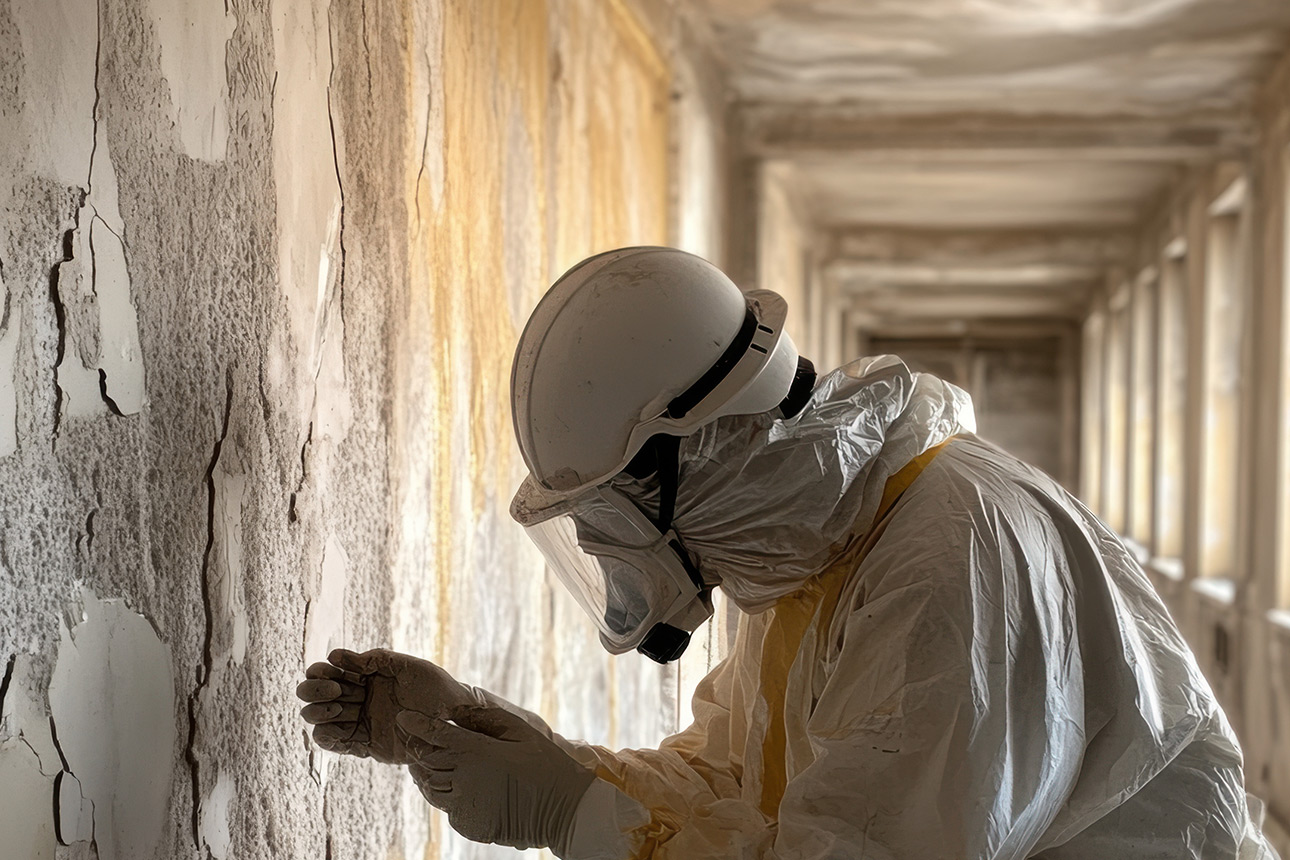
Lead abatement follows a consistent workflow. First, a certified lead inspector or risk assessor evaluates the home to determine where lead hazards exist. This involves testing paint, dust, and sometimes soil. Once the hazards are identified, a written abatement plan is created. This outlines the methods that will be used, the areas affected, the containment procedures required, and the steps for final clearance.
Before work begins, containment is installed. This includes sealing off work areas, protecting floors, closing HVAC vents, and using systems that prevent dust from spreading. Once containment is in place, the abatement team performs the chosen removal methods. These may include physically removing components such as windows or trim, applying permanent barriers, using specially formulated encapsulants, or stripping existing lead paint safely. Soil abatement may also be included when necessary.
After the work is complete, the home undergoes a detailed cleaning process. HEPA vacuums and wet washing are used to ensure that all dust is removed. When cleanup is complete, a certified inspector performs clearance testing. The home is considered safe only when the dust samples meet state and federal standards.
When Lead Abatement Is Necessary
Lead abatement is strongly recommended when deteriorated lead paint is present, when a child has elevated blood lead levels, when a home is undergoing significant renovation, or when a property must comply with rental or childcare regulations. Abatement may also be required during real estate transactions or when an official hazard order is issued.
Even in cases where lead paint appears intact, friction surfaces such as windows and doors may still produce hazardous dust. Many North Carolina homeowners choose abatement voluntarily because it provides long-term safety and protects the value of the home.
Conclusion
Lead abatement is a permanent, highly regulated process designed to eliminate lead hazards from a home. It is not the same as painting over lead or completing a standard renovation project. Abatement requires certified professionals, controlled procedures, proper disposal methods, and official clearance testing. For North Carolina homeowners living in pre-1978 homes, lead abatement offers peace of mind, greater safety for children, and long-term protection of the property. B2L Construction provides certified and reliable lead abatement services that meet all state and federal requirements.
Related articles
Reliable, scalable builds for retail, office, and industrial spaces—delivered with zero surprises.