NC Certified Lead Abatement Services
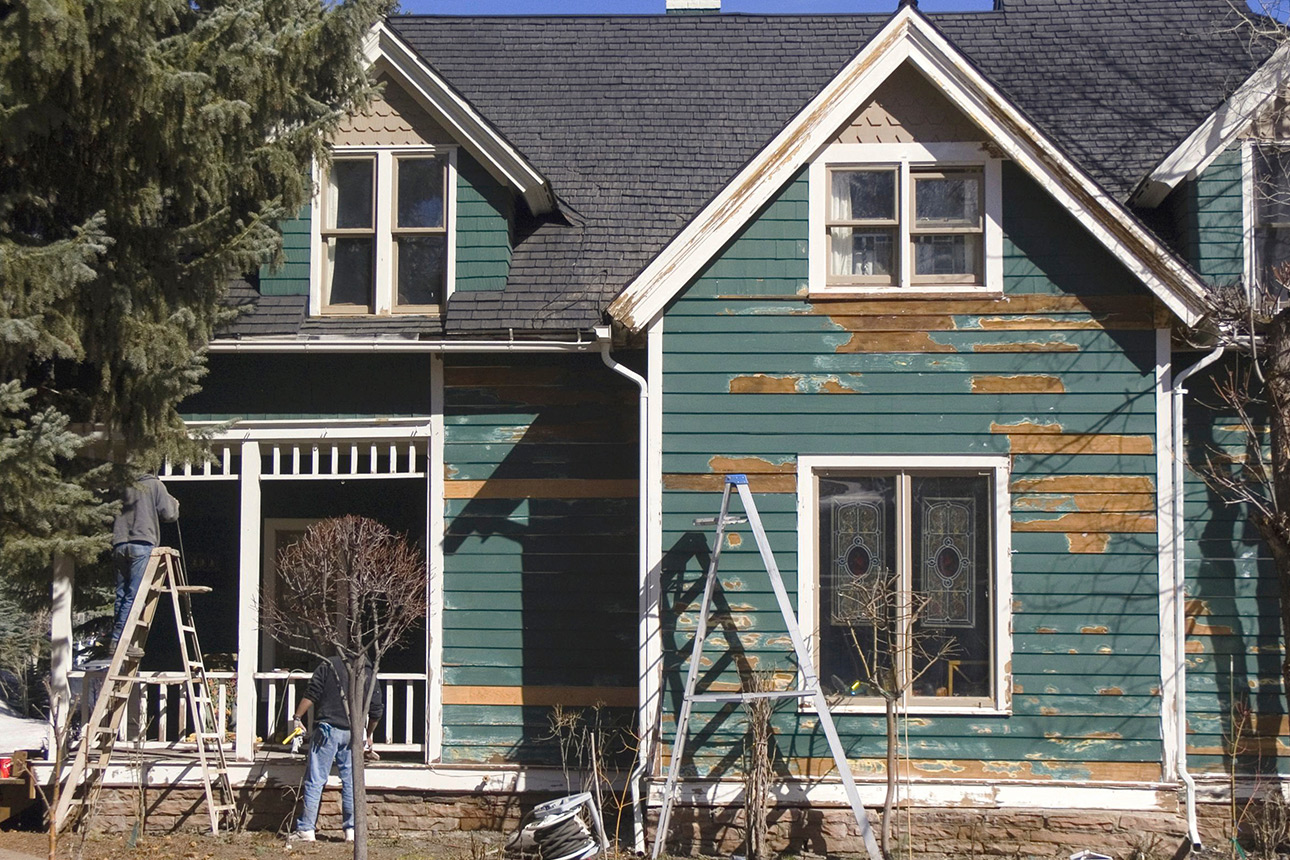
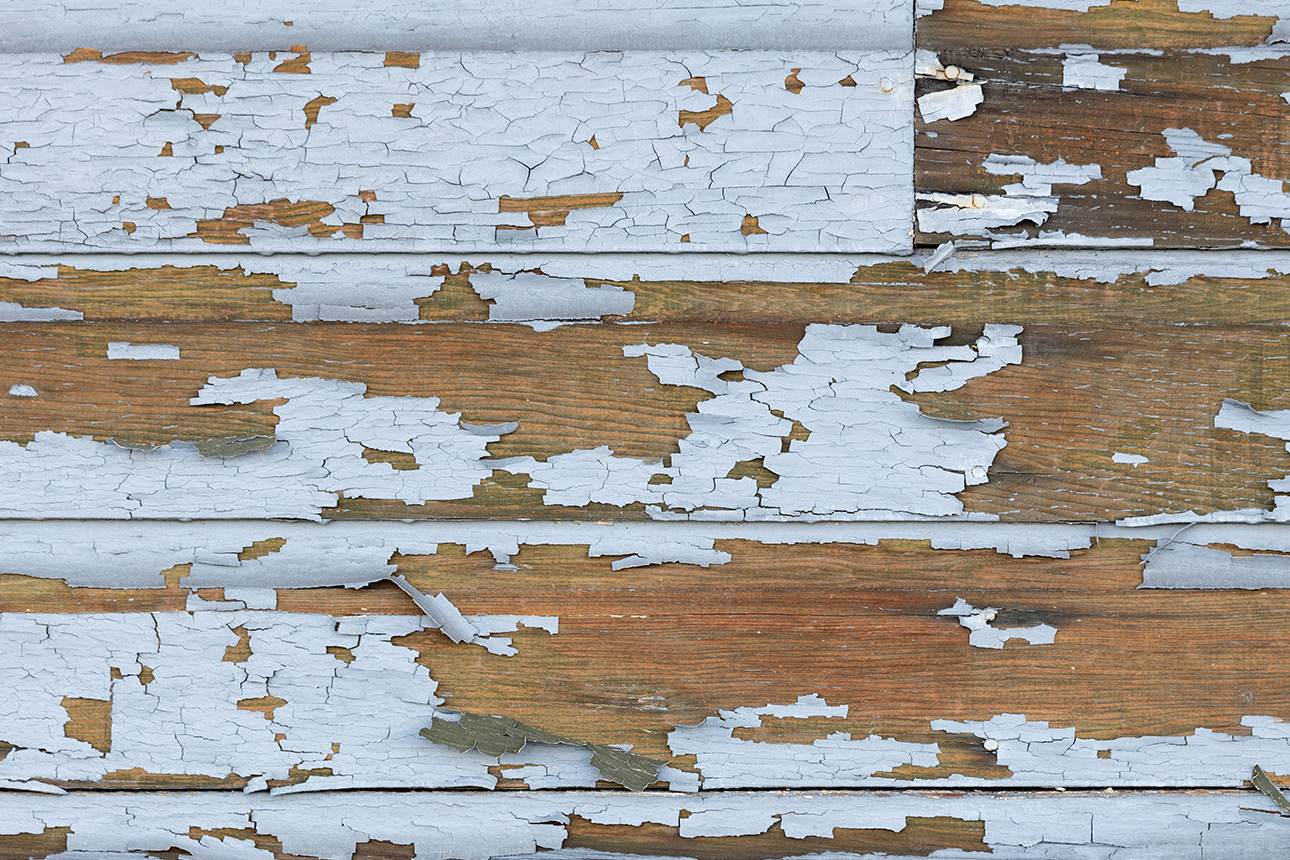
Lead hazards remain a significant concern for families living in older homes throughout North Carolina. Many properties built before 1978 contain lead-based paint on windows, doors, trim, and exterior surfaces. When this paint deteriorates or is disturbed during renovation, it produces fine dust that can spread throughout the home. Lead dust is invisible, highly toxic, and especially dangerous for children. Because of the serious health risks associated with lead exposure, the state of North Carolina requires that true lead abatement be performed only by certified professionals. NC Certified lead abatement services
provide the safest and most reliable solution for permanently eliminating these hazards.
Certified abatement is a regulated process. It requires specialized training, strict safety procedures, and specific methods approved by federal and state authorities. Homeowners cannot perform abatement themselves, and general contractors without proper certification are not legally permitted to do this work. Certification ensures that the people removing lead hazards understand how to protect residents, handle materials safely, and confirm that the home meets clearance standards after the work is complete.

What NC Certification Means
In North Carolina, lead abatement certification is issued by the Health Hazards Control Unit. There are separate certifications for workers, supervisors, inspectors, risk assessors, and abatement firms. All individuals who perform abatement must complete approved training courses. These courses cover topics such as hazard recognition, containment design, safe work practices, waste handling, and regulatory requirements.
Certification exists to protect residents from improper practices. Removing or disturbing lead-based paint without training can make a home more hazardous rather than safer. By requiring certification, the state ensures that lead abatement is performed carefully and professionally. Certified firms also carry appropriate insurance and follow required documentation procedures.
Why Certification Matters for Homeowners
Lead abatement is not like a typical renovation project. It poses serious health risks if performed incorrectly. Improper removal can release large amounts of dust into the air, contaminating surfaces throughout the home. Once dust becomes airborne, it can spread quickly through ventilation systems and settle in carpets, window troughs, and children’s play areas. The consequences of doing the job improperly can be long lasting and expensive to fix.
Certified professionals follow strict guidelines designed to prevent contamination. They install containment systems that isolate the work area and keep dust from spreading. They use specialized equipment such as HEPA vacuums and negative air machines. They know which methods are approved for removing or controlling lead paint and which methods are prohibited. Certification provides homeowners with the assurance that the job will be completed safely, legally, and effectively.
What NC Certified Lead Abatement Services Include
Before any removal work begins, professionals install containment systems. Containment prevents lead dust from spreading beyond the work area. Workers seal off rooms using thick plastic sheeting, cover floors, close HVAC vents, and create controlled entry and exit points. Negative air pressure machines may be used to keep dust from escaping. These precautions are essential. Without proper containment, lead dust can drift into clean areas of the home and settle into carpets, furniture, and ventilation systems.
Homeowners are often asked to relocate temporarily during certain types of abatement. This depends on the size of the project, the work area, and whether the property contains high risk occupants such as infants or pregnant women. Certified professionals explain these requirements before work begins so the homeowner can plan accordingly.
Certified lead abatement services provide a complete solution for identifying, removing, and verifying the elimination of lead hazards. The process begins with a lead inspection or risk assessment performed by a certified lead inspector or risk assessor. This evaluation identifies where lead-based paint is present, which surfaces are hazardous, and whether dust or soil contamination exists.
Once hazards are identified, an abatement plan is created. This plan outlines how each hazard will be eliminated, what containment measures are required, and how waste will be handled. The plan also includes safety requirements for both workers and occupants.
Abatement itself may involve several possible methods. Component removal is used when windows, doors, or trim contain lead and must be replaced. Enclosure involves placing a durable barrier over a lead surface to prevent exposure. Encapsulation uses specially formulated coatings to seal lead paint on stable surfaces. Paint removal is used when preserving the original architectural detail is important or when removal is the most effective way to eliminate the hazard. Soil abatement may be necessary if exterior paint has contaminated the ground around the home.
After the abatement work is complete, the home undergoes a detailed cleaning process using HEPA vacuuming and wet washing. This ensures that all dust and debris are removed. Finally, a certified inspector performs clearance testing by collecting dust wipe samples. These samples are analyzed in a laboratory to verify that lead dust levels meet state and federal standards. The home is not approved for reoccupancy until clearance is achieved.
Homes in North Carolina That Most Often Require Abatement
North Carolina contains many historic and mid century homes where lead paint is common. In Charlotte, neighborhoods such as Dilworth, Plaza Midwood, Elizabeth, NoDa, Wesley Heights, and Myers Park have a high number of pre 1978 homes. Surrounding communities in Gaston County, Cabarrus County, Union County, and Mecklenburg County also contain older homes where lead hazards appear frequently.
Many of these homes still have original windows, thick trim, or exterior wood elements that hold multiple layers of lead paint. Aging, moisture, and past renovations can cause the paint to deteriorate. Even when the surface looks freshly painted, underlying lead layers may still be unstable. Certified abatement ensures that these hazards are addressed permanently.
Why Homeowners Choose Certified Lead Abatement
Families choose certified abatement for several important reasons. The most significant reason is health. Lead exposure can cause developmental delays, learning difficulties, neurological damage, and behavioral changes in children. It can also affect adults, particularly pregnant women. Removing the hazard completely is the surest way to protect everyone in the home.
Another reason is long term property value. Homes with documented lead abatement are safer, easier to sell, and more attractive to buyers. Abatement also helps homeowners comply with housing regulations, rental requirements, and childcare licensing standards.
Abatement also creates a safer environment for future renovations. Once lead hazards are eliminated, contractors can work more freely without the need for extensive lead-safe precautions.
Conclusion
NC Certified Lead Abatement Services provide the highest level of protection for families living in pre 1978 homes. Certification ensures that lead hazards are identified accurately, removed safely, and verified through clearance testing. The process involves specialized training, regulated procedures, and methods that permanently eliminate the danger. For homeowners in Charlotte and throughout North Carolina, choosing certified lead abatement offers peace of mind, improved home safety, and long term value. With the guidance of trained professionals, older homes can become safe, healthy environments for generations to come.
Related articles
Reliable, scalable builds for retail, office, and industrial spaces—delivered with zero surprises.