Lead Paint Removal Services in Charlotte NC
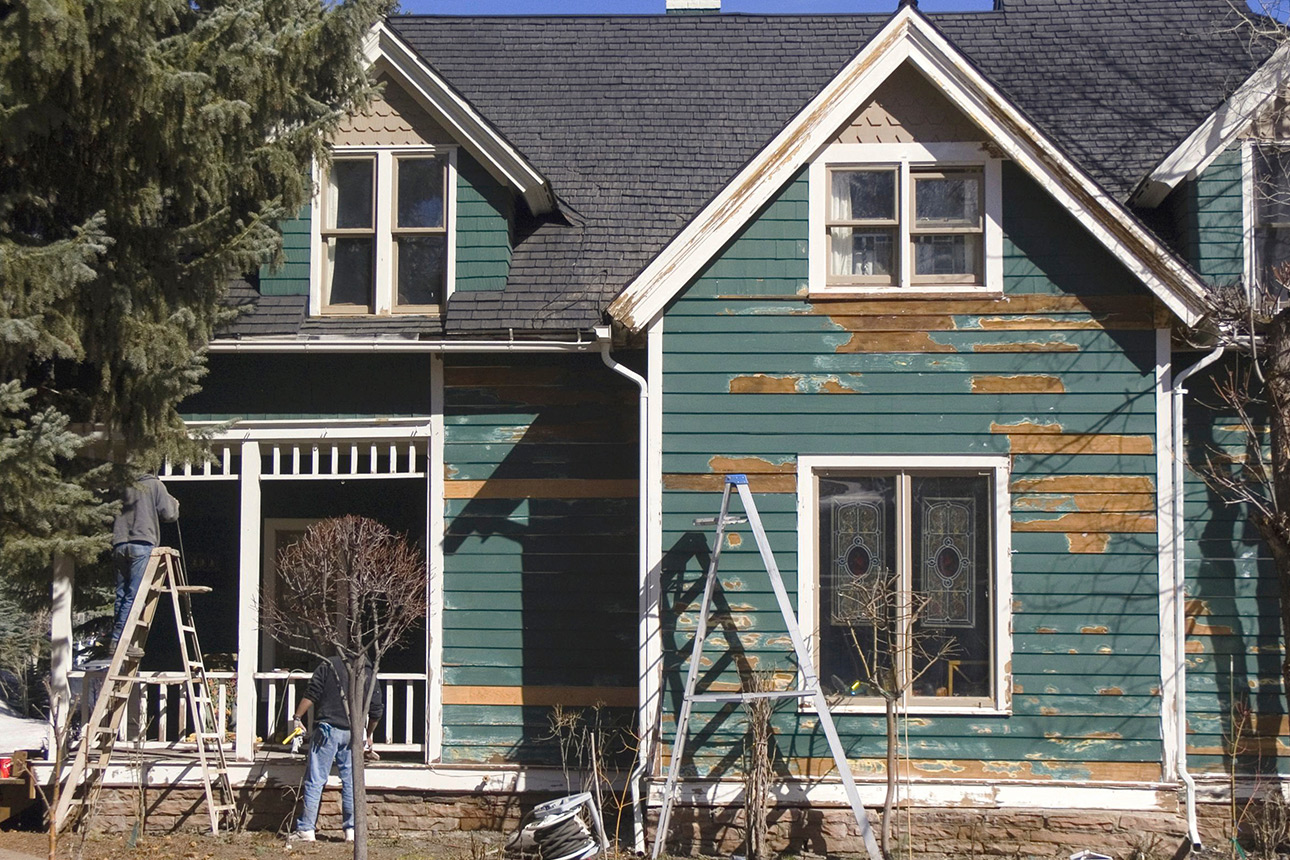
Charlotte is home to some of the most historic and architecturally significant neighborhoods in North Carolina. Many of these homes were built long before the 1978 ban on lead-based paint. As a result, homeowners in areas such as Dilworth, Plaza Midwood, Elizabeth, NoDa, Myers Park, Gastonia, Concord, and Monroe frequently encounter lead paint concerns, especially during renovation projects. Lead paint removal services play a critical role in protecting families from exposure to hazardous dust created by deteriorating or disturbed lead paint. Because lead is most dangerous in its dust form, proper removal requires certified expertise, careful containment, and strict safety procedures.
Lead paint removal is part of a broader field known as lead abatement. It is a regulated process designed to permanently reduce or eliminate lead hazards. Removing lead paint is not the same as simply scraping or repainting. It must follow specific steps to ensure the hazard is controlled rather than spread throughout the home. Charlotte’s older homes often require this level of professional attention due to their age, condition, and construction patterns.
Why Lead Paint Removal Is Necessary
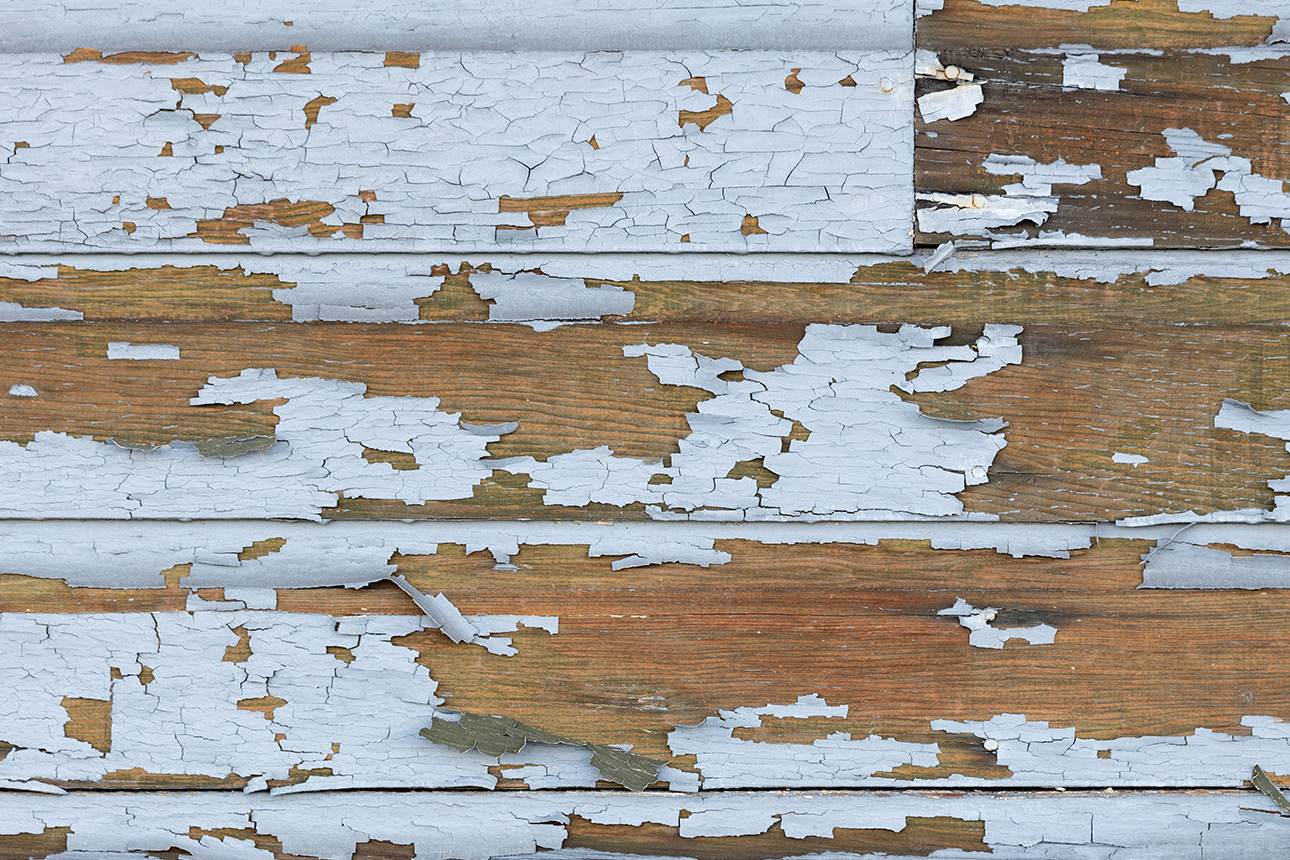
Lead paint becomes dangerous as it ages. When the paint cracks, chips, or deteriorates, it releases fine dust that collects on surfaces where children play. Even microscopic amounts of dust can cause severe health problems, including behavioral issues, developmental delays, and learning difficulties. Windows and doors are particularly risky because they generate dust every time they move. Exterior lead paint can flake into the soil, creating an additional hazard for children and pets.
Renovations often increase the danger. Cutting, sanding, or scraping painted surfaces releases large amounts of dust into the air. Without proper containment, this dust spreads throughout the home and contaminates carpets, furniture, bedding, and HVAC systems. Because lead dust is invisible, homeowners may not realize the full extent of contamination until testing reveals the hazard.
Professional lead paint removal eliminates this risk by using certified procedures that prevent dust release and ensure safe disposal.
How Certified Lead Paint Removal Works
Lead paint removal begins with an inspection to determine where lead is present and which areas pose the greatest risk. A certified lead inspector or risk assessor performs this evaluation. Once hazards are identified, a removal plan is developed. This plan outlines the method of removal, the containment strategy, and the follow-up procedures required to confirm the home is safe.
Containment is installed before any removal begins. Floors, doorways, and vents are sealed. Plastic barriers isolate the work area. Negative air pressure systems may be used to keep dust from escaping. These measures ensure that hazardous particles remain inside the work area at all times.
Certified professionals then remove the lead paint using approved methods. These methods may include chemical stripping, HEPA-assisted sanding, controlled wet scraping, or off-site removal of components. Unsafe practices such as dry sanding, uncontrolled scraping, and high heat tools are prohibited because they create excessive dust. Professionals receive extensive training on how to remove lead paint safely and efficiently while protecting the rest of the home.
Once the paint is removed, the area undergoes a multi-step cleaning process using HEPA vacuums and wet washing. This process removes any remaining dust from floors, walls, and surrounding surfaces. After cleaning, a certified inspector collects dust samples for laboratory testing. The home is considered safe only after dust levels meet state and federal clearance standards.
Types of Lead Paint Removal Services Offered
Lead paint removal services vary depending on the condition of the home and the wishes of the homeowner. Some projects involve stripping paint from original woodwork to preserve historic features. Others require removing entire components such as windows or doors because friction makes it impossible to control dust without full replacement. Exterior lead paint removal may involve chemical stripping or controlled scraping followed by repainting with non lead coatings.
Some homes require soil remediation if paint chips have contaminated the ground around the property. Soil abatement may include removing topsoil, replacing it with clean fill, or installing long-term protective coverings. Each of these services must follow strict guidelines to ensure safety and compliance.
Why DIY Lead Paint Removal Is Extremely Dangerous
Homeowners sometimes consider removing lead paint themselves. This is never recommended. Disturbing lead paint without proper containment exposes the home to widespread contamination. Dry sanding or scraping produces large amounts of airborne dust that travel far beyond the work area. Vacuuming with standard equipment does not capture lead particles, and household cleaners cannot remove them effectively.
Attempting DIY removal may also violate state and federal regulations. North Carolina requires that lead abatement, including certain forms of removal, be performed only by certified professionals. Improper removal can result in fines, legal issues, and costly cleanup.
Why Charlotte Homes Often Require Professional Removal
Many Charlotte neighborhoods contain homes built between the early 1900s and the mid 1970s. These homes commonly feature detailed wood trim, original sash windows, and decorative elements that hold multiple layers of lead paint. Because these surfaces experience friction and weather exposure, deterioration is common. Moisture and humidity also play a role in breaking down old paint layers.
Renovation trends in Charlotte involve opening up floor plans, restoring historic features, or replacing older components. These projects frequently disturb lead paint, making professional removal essential for preventing contamination.
Benefits of Professional Lead Paint Removal
Hiring certified professionals ensures that lead hazards are properly identified, safely managed, and permanently resolved. Removal reduces the risk of long-term exposure, protects children and vulnerable adults, and increases the overall health of the home. Homes that undergo certified abatement also have documented safety improvements that enhance resale value. Buyers are more confident in a property when they know lead hazards have been professionally addressed.
Professional removal also creates a safer environment for future renovations. Once lead hazards have been eliminated, contractors can work freely without the need for additional lead safe precautions.
Conclusion
Lead paint removal services in Charlotte NC play an essential role in protecting families living in older homes. Lead hazards are common in pre 1978 properties, and removing them requires certified expertise, proper containment, and regulated procedures. Professional removal eliminates hazardous dust, improves home safety, and provides peace of mind for homeowners. For families in Charlotte area and surrounding areas, choosing certified lead paint removal ensures long term protection and a healthier living environment.
Related articles
Reliable, scalable builds for retail, office, and industrial spaces—delivered with zero surprises.