Can I Just Paint Over Lead Paint?
Painting over lead paint is one of the first ideas homeowners consider when they discover that a pre 1978 home may contain hazardous paint. It seems simple and inexpensive, and many people believe it is a safe solution. The reality is more complicated. Yes, you can paint over lead paint in certain situations, but it must be done using approved materials and proper preparation. Even then, painting over lead paint is not the same as removing the hazard. It is not considered abatement and does not permanently eliminate the risk. Understanding when painting is acceptable and when professional abatement is required is essential for keeping your home safe.
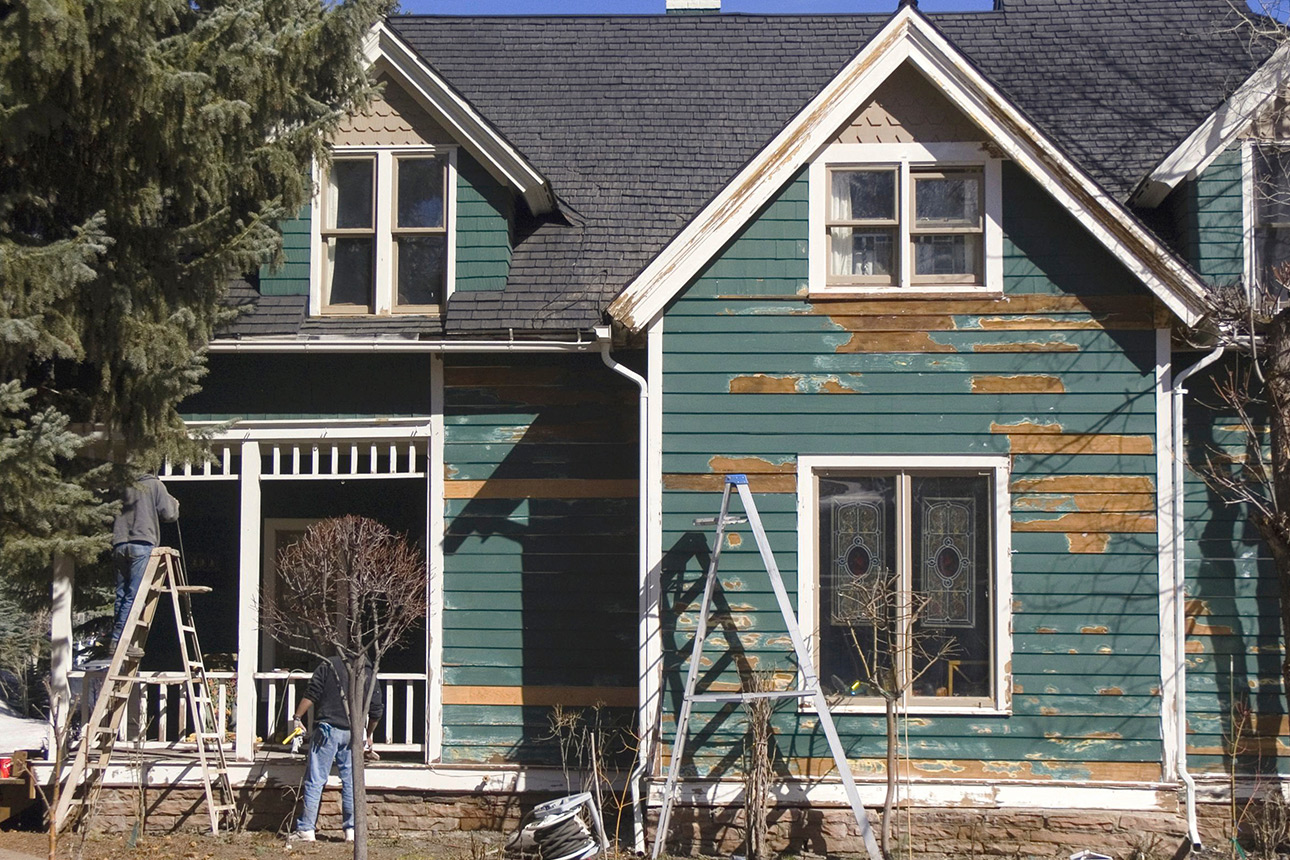
Homes built before 1978 in Charlotte and throughout North Carolina often contain multiple layers of lead paint beneath newer coatings. These older layers become hazardous when they deteriorate or when friction or impact occurs on the painted surface. Windows, doors, trim, and exterior wood are especially vulnerable. Painting over these areas may seem like a quick fix, but it does not prevent dust from being released when surfaces move or wear down over time. This is why certified lead abatement is often needed to properly address the hazard.
Painting Over Lead Paint Is Called Encapsulation
When painting over lead paint is appropriate, the method used is known as encapsulation. Encapsulation involves applying a special paint like material that is specifically designed to seal lead paint. Regular household paint is not strong enough and does not bond properly to lead surfaces. Encapsulants are engineered to create a thick, durable barrier that prevents underlying lead layers from chipping or creating dust.
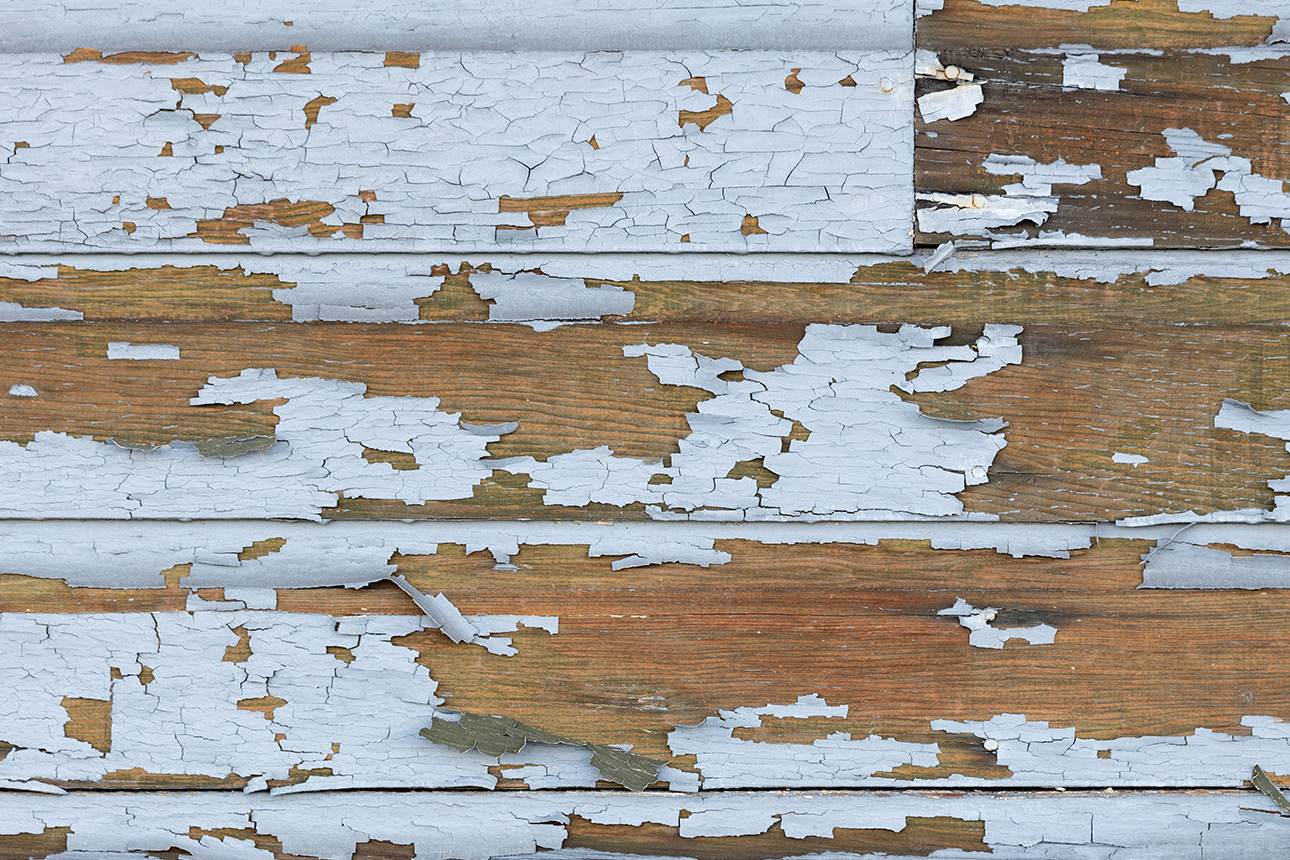
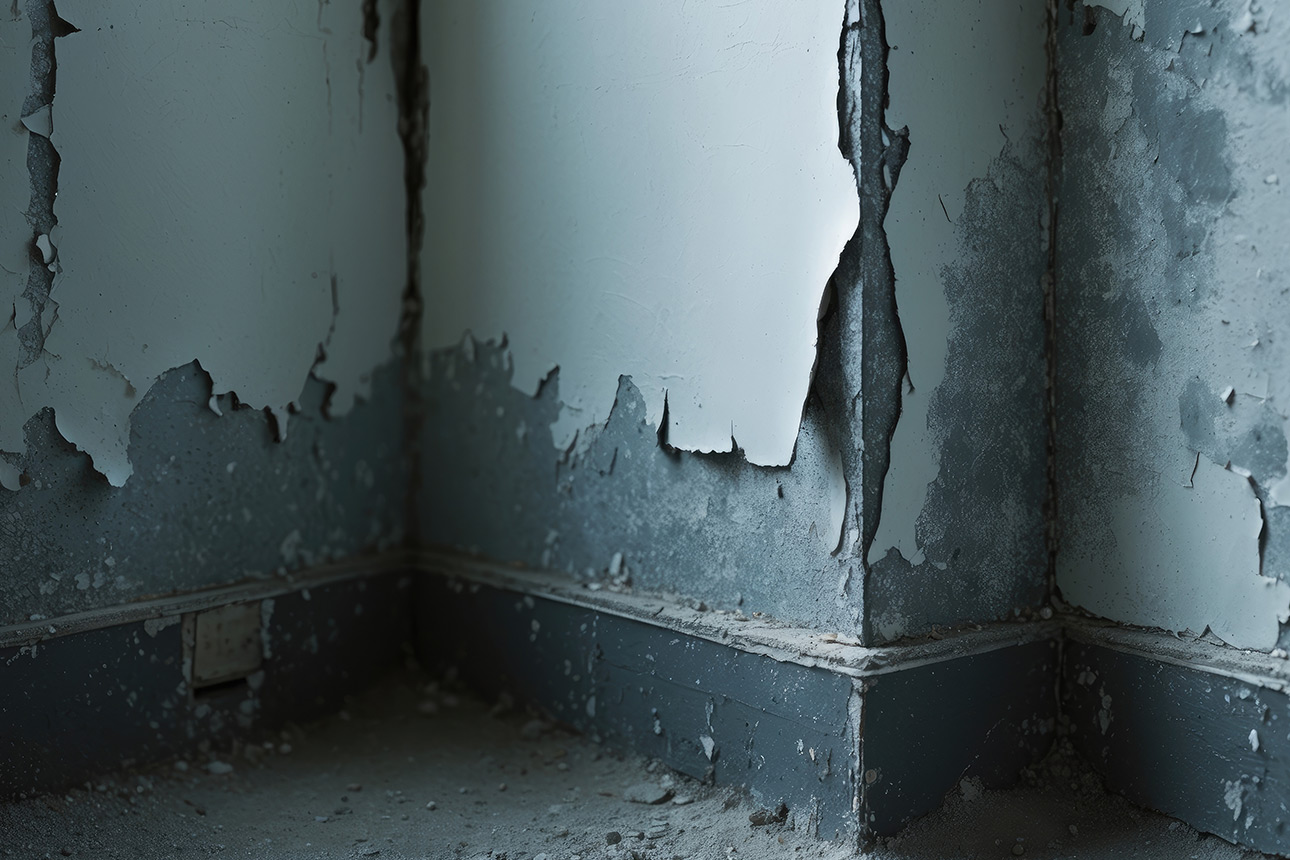
Encapsulation can only be used when the surface is stable and in good condition. If the paint is already peeling, cracked, bubbled, or loose, encapsulation will not solve the problem. The underlying instability will eventually cause the new coating to fail. Moisture issues, structural shifts, and temperature changes can also compromise encapsulants.
Encapsulation Is Not a Permanent Solution
Painting over lead paint may provide a temporary improvement, but it does not eliminate the lead. The hazard still exists beneath the encapsulant. Encapsulated surfaces must be monitored regularly to ensure the coating has not cracked or separated. In some homes, especially older Charlotte homes with significant humidity or shifting foundations, encapsulation may fail sooner than expected.
Encapsulation cannot be used on friction surfaces. Any surface that moves or rubs against another surface will break down even the strongest encapsulants. Windows and doors are the most common examples. Each time a window sash slides or a door opens and closes, the friction grinds the paint layers beneath the encapsulant. This produces lead dust that escapes into the home even if the top layer appears intact. For these surfaces, abatement through component removal or enclosure is usually the safer and more effective option.
Risks of Painting Over Lead Paint Without Proper Preparation
Some homeowners attempt to paint over lead paint using standard paint and regular preparation methods. This is extremely unsafe. Dry sanding, scraping, or power washing lead paint creates high levels of airborne dust that can contaminate the entire home. Lead dust settles into carpets, HVAC systems, window troughs, and children’s play areas. Once contamination occurs, it requires professional cleaning to correct.
Even seemingly harmless steps like lightly sanding to smooth a surface can release dangerous particles. This is why lead safe work practices are required for any renovation
in a pre 1978 home. Painting over lead paint should never be attempted without first determining whether the surface is safe for encapsulation and whether proper containment and cleaning procedures are in place.
When Painting Over Lead Paint Is Appropriate
Painting over lead paint can be an acceptable option when the original paint is in good condition, the surface does not experience friction or impact, and the homeowner uses an approved encapsulant. Smooth walls and ceilings are typical surfaces where encapsulation may work well. Areas that remain dry and experience little movement are the most reliable candidates.
A certified lead inspector or risk assessor can evaluate the surface to determine whether encapsulation is safe. They will test the paint layers, check for moisture problems, and examine whether the existing surface is stable enough to support an encapsulant. If these conditions are met, encapsulation may offer a temporary but safe reduction in lead exposure.
When Painting Over Lead Paint Is Not Safe
Encapsulation is not suitable for deteriorating surfaces. If the lead paint is peeling, flaking, chalking, or bubbling, the hazard must be removed or enclosed. Painting over damage only hides the problem temporarily. The new layer will eventually fail and reveal the underlying danger.
Encapsulation is also unsafe for windows, doors, stair railings, cabinets, and any surface that moves or receives regular contact. In these cases, abatement techniques such as component removal or enclosure are required. Homes with moisture issues, such as leaking roofs or damp basements, are also poor candidates for encapsulation because humidity can cause coatings to fail more quickly.
Lead Abatement Is the Only Permanent Solution
Painting over lead paint does not remove the hazard. It simply covers it. For homeowners who want a permanent solution, certified lead abatement is the correct approach. Abatement removes lead paint, replaces hazardous components, or encloses surfaces in a permanent barrier. It provides long term safety, eliminates the source of exposure, and increases the value of the home.
In Charlotte and throughout North Carolina, many older homes require a combination of abatement methods to address windows, doors, trim, and exterior wood. Certified professionals follow strict containment and cleanup procedures to ensure the home remains safe throughout the process.
Conclusion
Painting over lead paint can be safe in specific situations, but it is not a permanent fix. Encapsulation works only when the surface is stable, smooth, and free from friction. It cannot be used on windows, doors, or any moving surface. It does not eliminate the lead, and it requires ongoing monitoring to remain effective. The only permanent way to remove a lead hazard is through certified abatement. For North Carolina homeowners who want to protect their families and ensure long term safety, professional lead abatement remains the most reliable and responsible solution.
Related articles
Reliable, scalable builds for retail, office, and industrial spaces—delivered with zero surprises.