B2L Construction

The Future of Residential and Commercial Construction Using Design Build Systems

Design build systems are reshaping the future of construction across the United States and especially in growing markets like North Carolina. As clients demand more efficient processes, better communication, and higher quality results, the design build model continues to rise in popularity. Its integrated approach aligns perfectly with modern technology, sustainability goals, and evolving industry expectations.

How Technology Is Enhancing Design Build

Building Information Modeling and Digital Visualization

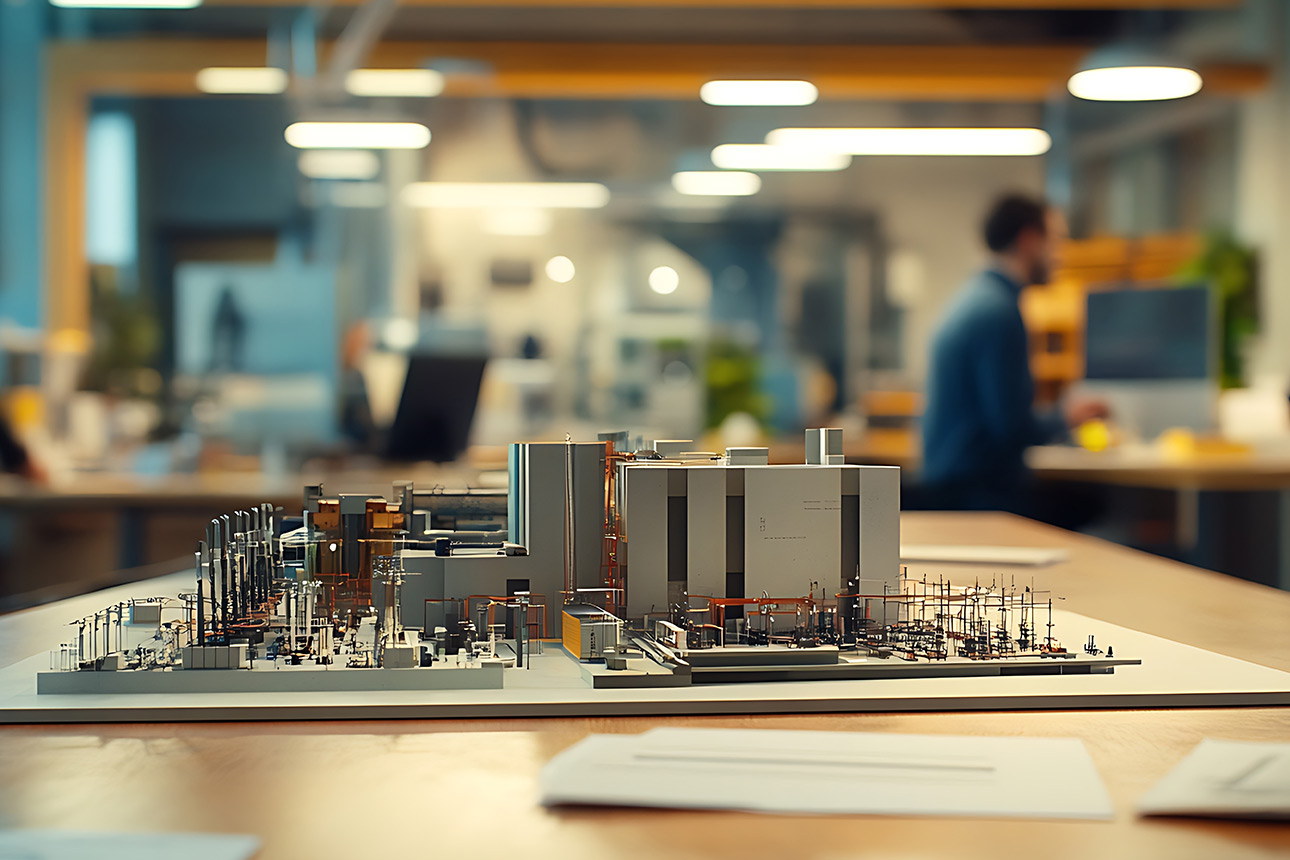
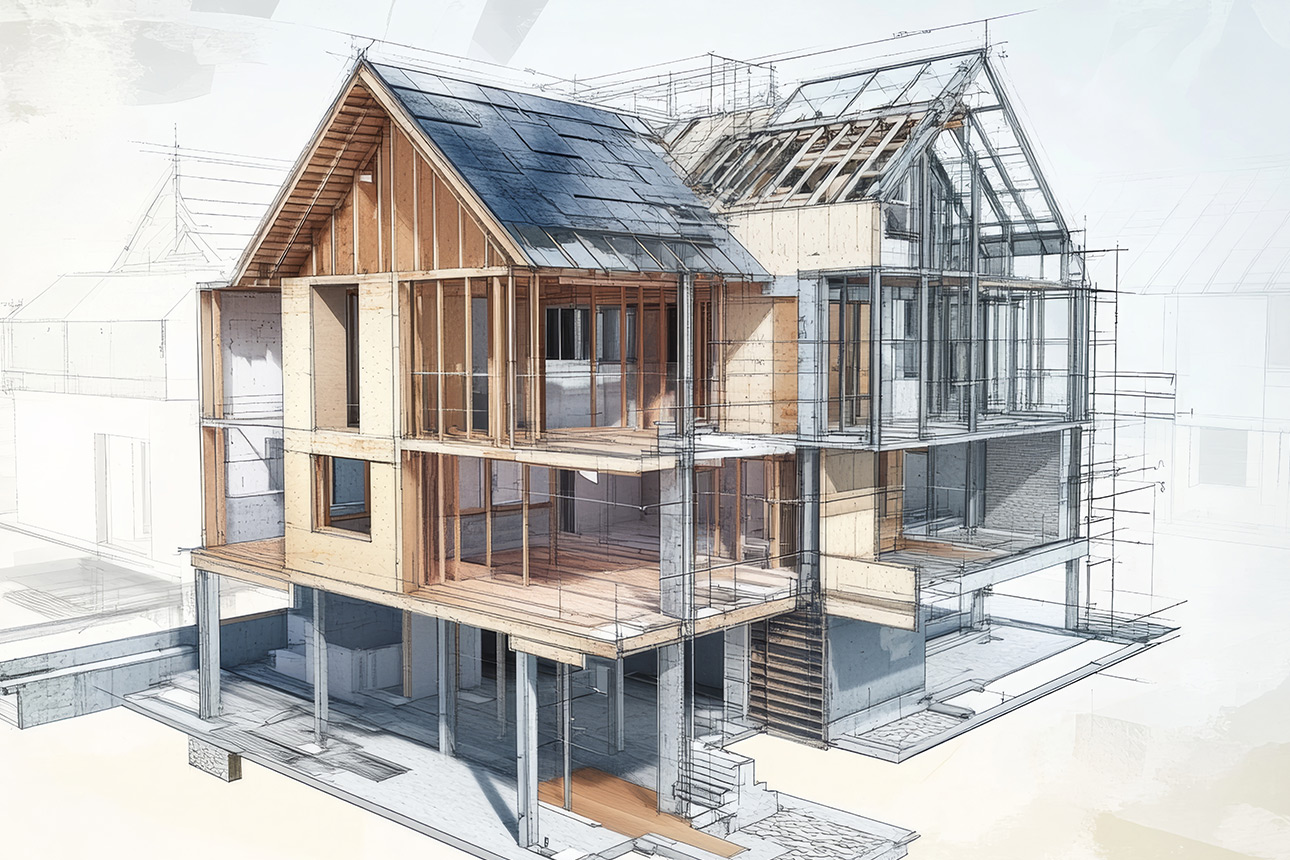
Modern design build teams use Building Information Modeling to create digital 3D models. These models help identify conflicts, optimize structural elements, and improve communication with clients. Visualization tools allow homeowners and businesses to preview their spaces long before construction begins.

Cloud-Based Collaboration and Real-Time Updates

Digital communication platforms support transparency, schedule management, and rapid decision making. When clients, designers, and builders all access the same project data, collaboration becomes smoother and more accurate.

Incorporating Green Building Techniques Early

Design build teams can incorporate sustainable materials and energy-efficient systems during the earliest stages of planning. This early integration makes it easier to achieve environmental goals without increasing costs.

Reducing Waste With Integrated Planning

Unified teams make more efficient use of resources, reducing material waste and improving the environmental footprint of the construction process.
The Growing Importance of Flexibility in Modern Construction

Designing Spaces That Adapt to Future Needs

Whether residential or commercial, modern buildings must support evolving lifestyles and business operations. Design build teams can anticipate future changes and incorporate features that allow easier modifications later.

Supporting Technology Integration

Smart home and smart business systems require coordinated planning. The integrated design build method ensures that technology elements are considered from the beginning.

Why Design Build Will Continue to Expand

Meeting Client Expectations for Speed and Clarity

Clients increasingly value predictable timelines and clear communication. The design build model excels in both areas by combining project responsibilities under one coordinated system.

Delivering Higher Quality and Better Value

Unified planning reduces the likelihood of errors and improves quality control. This results in better long-term performance and stronger value for homeowners and businesses.

Conclusion

Design build systems represent the future of residential and commercial construction by combining modern technology, sustainability practices, and unified project management. This method provides efficient, cost-effective, and high-quality solutions that meet the evolving needs of today’s clients.

Related articles

Reliable, scalable builds for retail, office, and industrial spaces—delivered with zero surprises.