B2L Construction

How Design Build Reduces Project Delays and Miscommunication

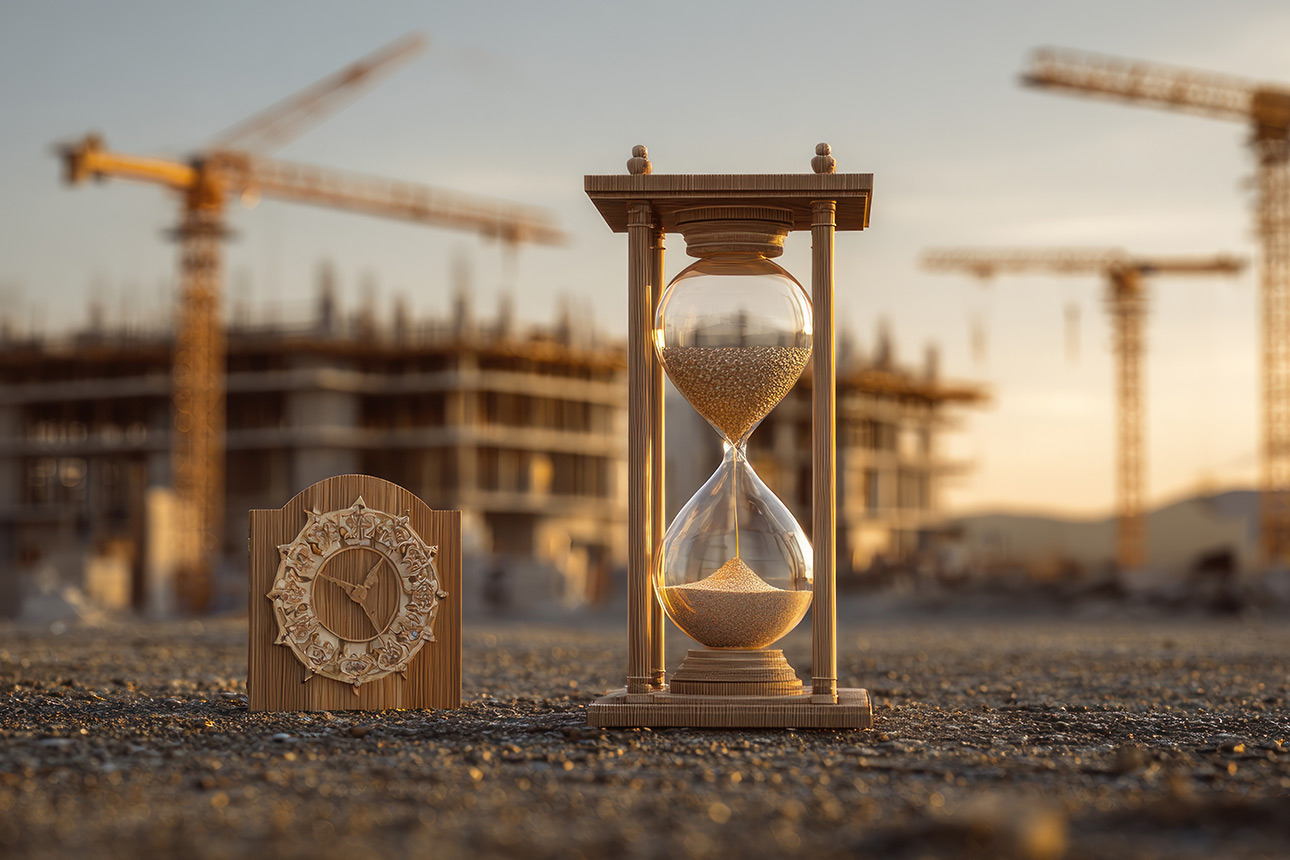
Construction delays can significantly increase project costs, disrupt schedules, and cause frustration for homeowners. The design build approach reduces these challenges by integrating planning, design, and construction responsibilities. With designers and builders working as one team, communication strengthens, decisions happen faster, and delays become far less common.

Understanding the Causes of Construction Delays

Miscommunication Between Independent Teams

In the traditional model, architects and contractors often operate separately. When plans are unclear, contractors must request clarification, leading to delays. Different interpretations of design intent can also create conflict.

Scheduling and Material Issues

Materials such as custom windows, structural components, or specialized fixtures often have long lead times. Without early collaboration, these items may not be ordered in time, resulting in stalled progress.

Why Design Build Reduces Delays

Continuous Collaboration From Start to Finish

Design build encourages communication throughout the entire project. Designers consult with builders during early planning, ensuring that designs are practical, efficient, and aligned with construction timelines. Builders provide real-time feedback to prevent obstacles before they arise.

Early Awareness of Material Needs

Because the builder participates in design decisions, they know which materials require early ordering. This proactive planning reduces the risk of shortages or shipping delays.
Clear Information Across All Trade Partners

When subcontractors receive organized instructions directly from a unified team, they understand the tasks, timelines, and expectations. This clarity reduces misinterpretation and improves efficiency.

Faster Decision Making When Issues Arise

Unexpected challenges are inevitable in construction. The design build model allows the team to resolve issues immediately because the designer and builder do not need to wait for external approvals or explanations.

Coordinated Scheduling and Accountability

Coordinated scheduling ensures that each phase transitions smoothly. The project manager oversees both the design and construction teams, keeping everyone aligned with the project timeline.

Quality Control That Prevents Rework

Rework delays are common when tasks are completed incorrectly or out of sequence. Unified teams reduce this risk with consistent oversight and strong quality standards.

Conclusion

Design build significantly reduces project delays by improving communication, promoting early planning, and aligning responsibilities within a single team. With fewer interruptions and clearer workflows, homeowners enjoy a more efficient and predictable construction experience.

Related articles

Reliable, scalable builds for retail, office, and industrial spaces—delivered with zero surprises.