Understanding Light Commercial Construction
Typical Light Commercial Projects
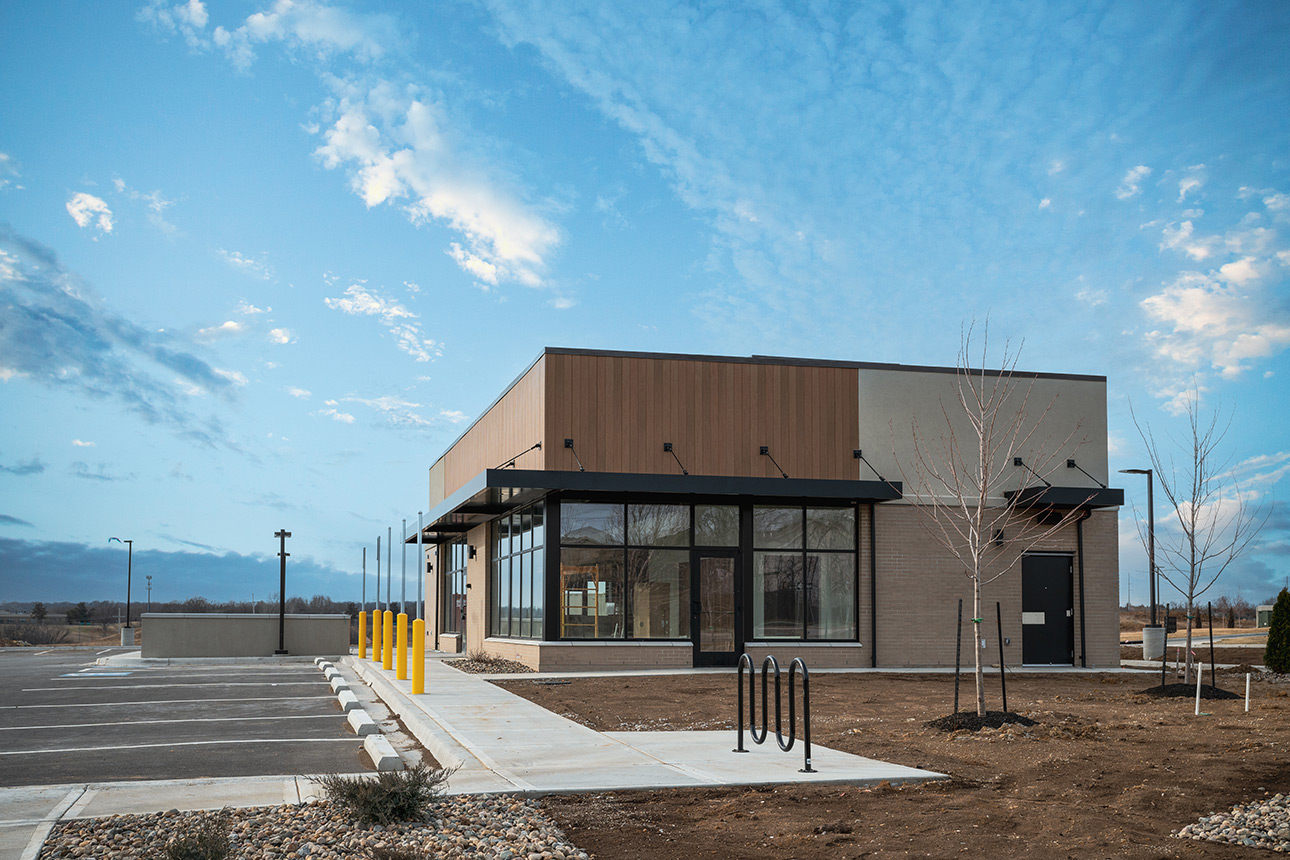
Light commercial construction includes retail stores, restaurants, small offices, medical clinics, and small warehouses. These buildings typically range from one to three stories and involve simpler structural requirements compared to heavy commercial facilities.
Design and Construction Features
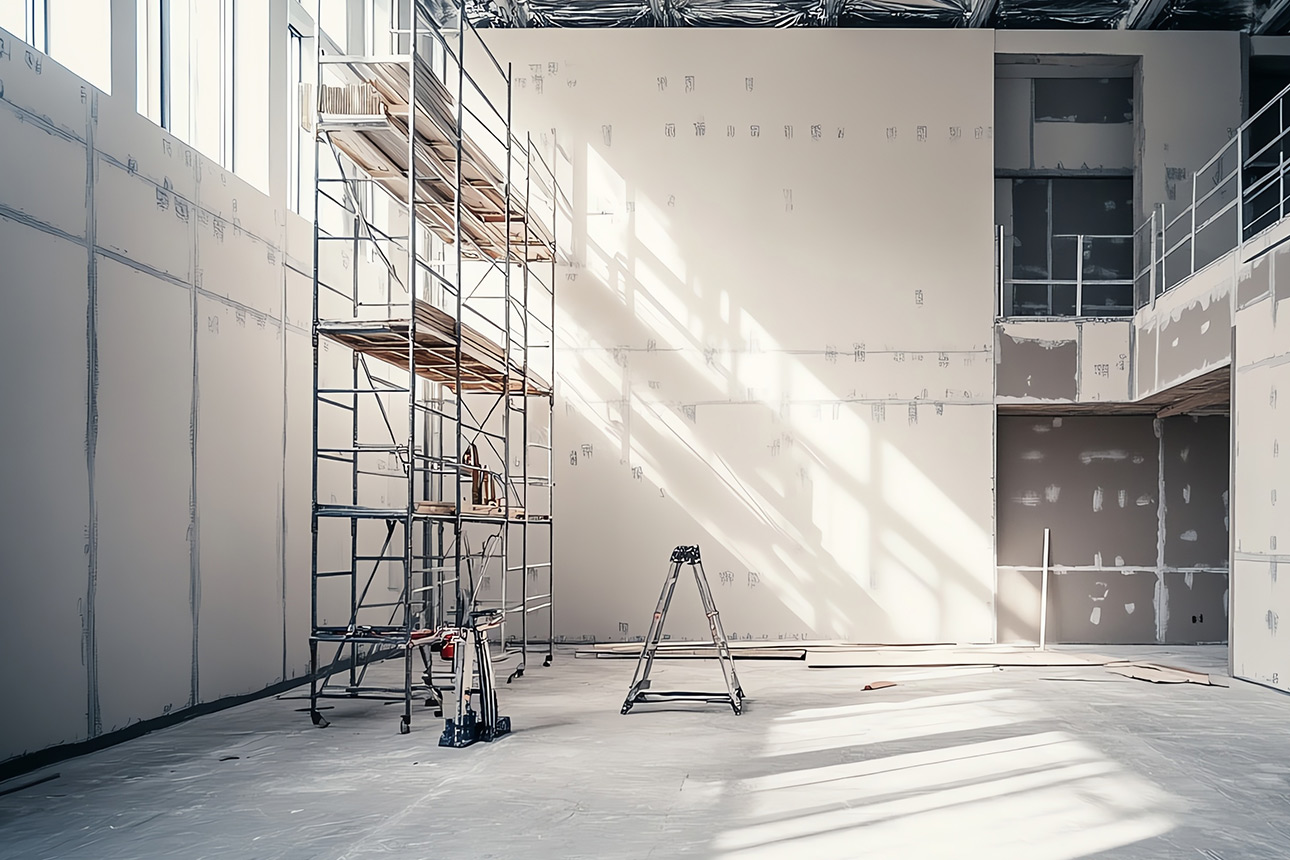
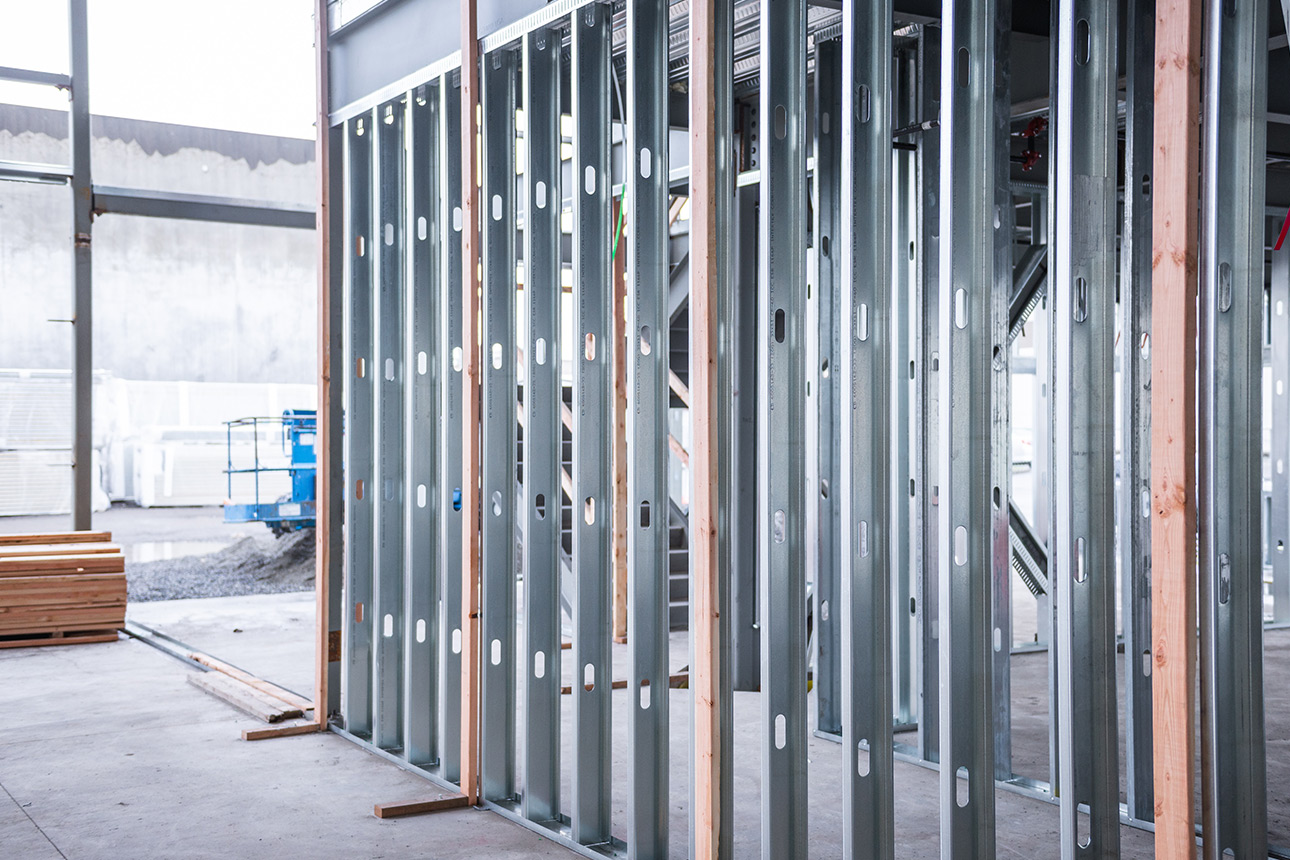
Light commercial projects often focus on customer experience, interior finishes, and efficient layouts. Builders use standard materials such as wood framing or light steel components. Mechanical and electrical systems are typically less complex than those found in larger facilities.
Understanding Heavy Commercial Construction
Larger and More Complex Structures
Heavy commercial construction includes hospitals, schools, multi-level offices, industrial plants, and large warehouse facilities. These structures require advanced engineering and specialized building systems.
Advanced Mechanical and Structural Requirements
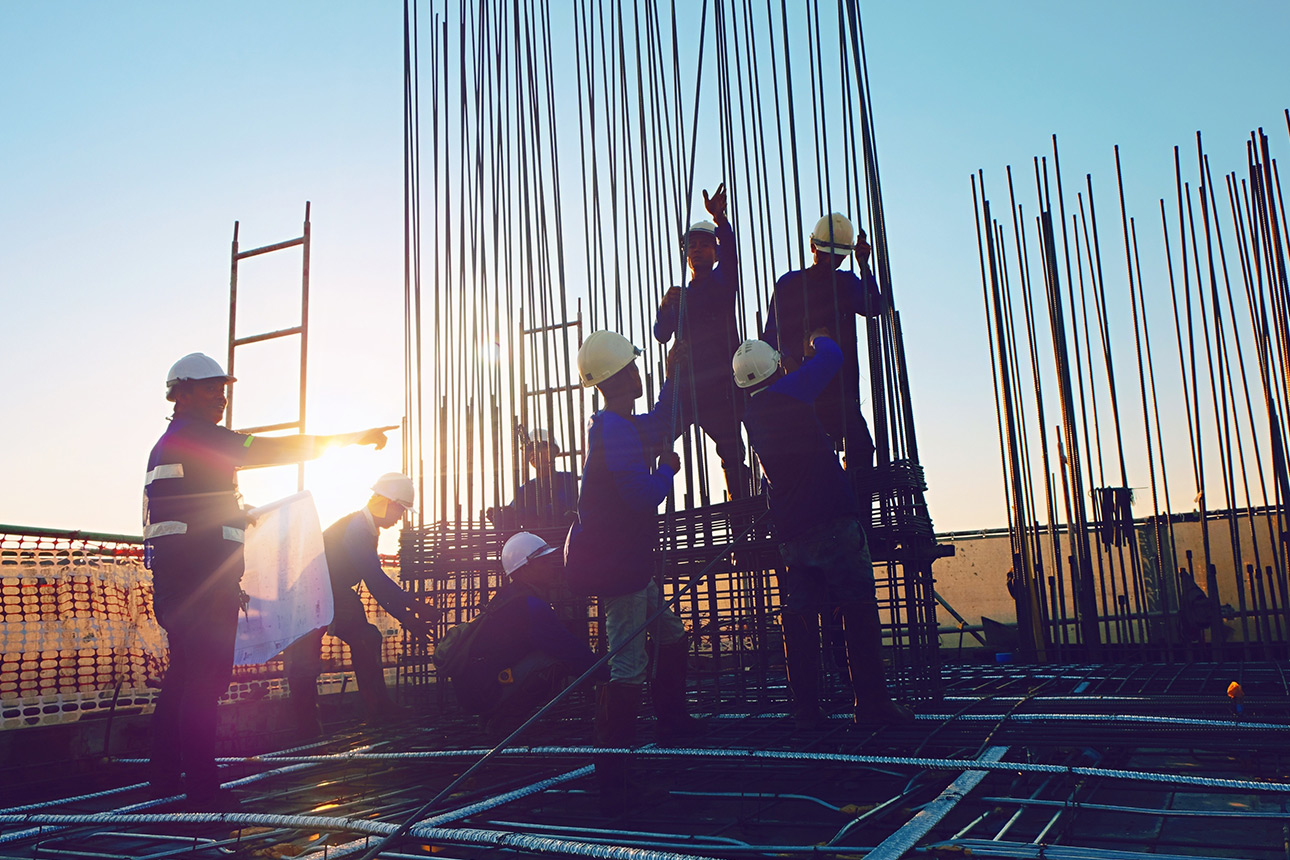
These buildings use reinforced steel frameworks, concrete systems, and extensive electrical and mechanical networks. They must meet stricter regulatory requirements due to their size, occupancy load, and safety needs.