What Are the 4 Methods of Abatement?
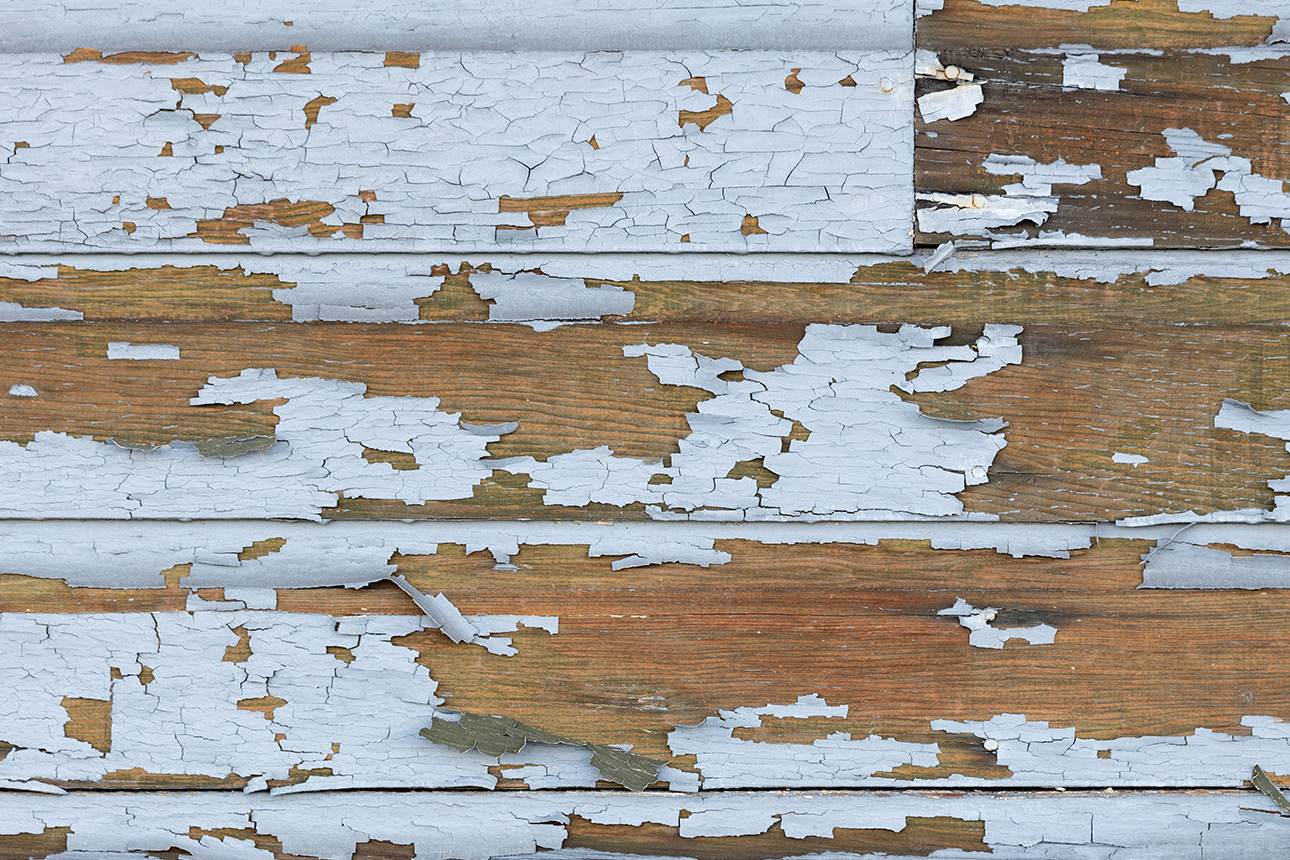
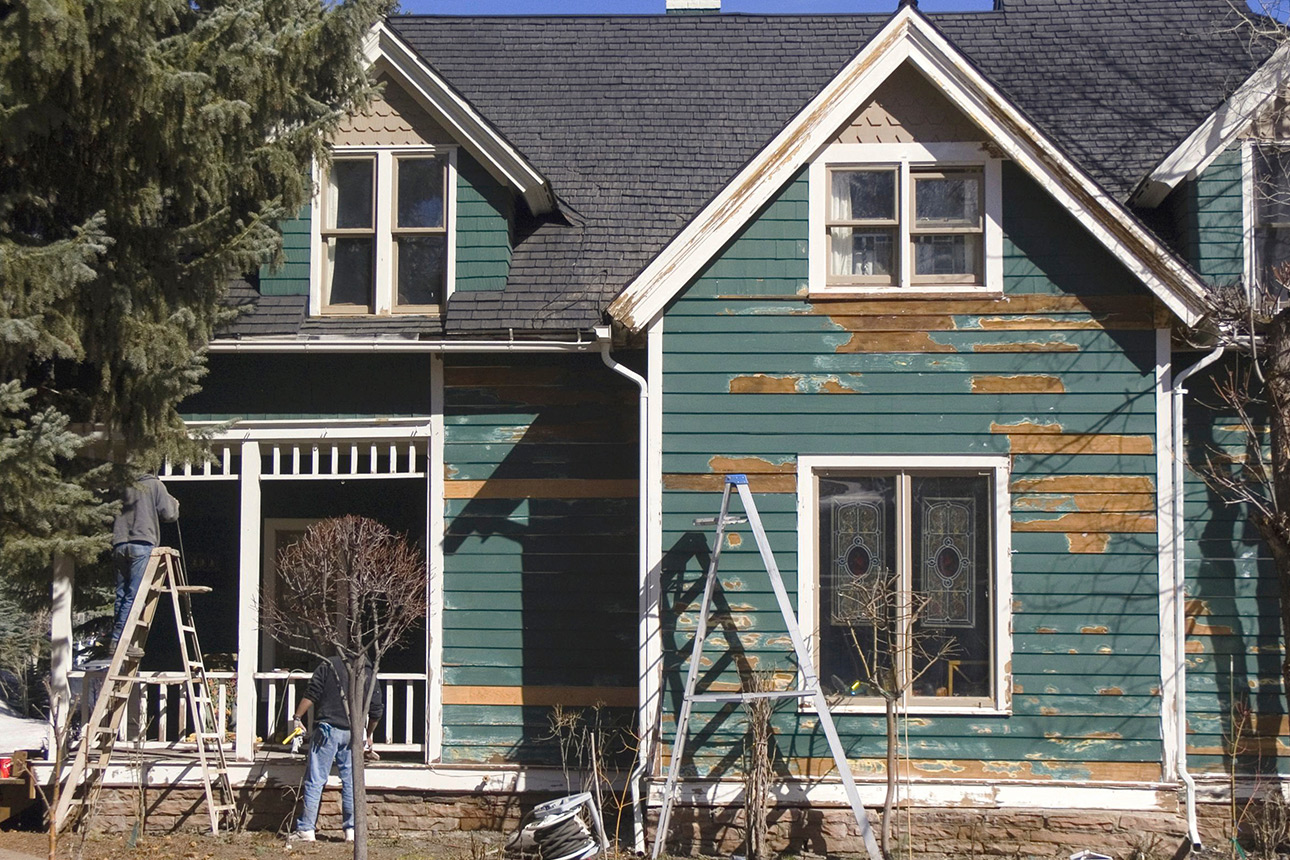
Lead abatement is the process of permanently reducing or eliminating lead hazards from a home or building. It is a regulated procedure overseen by state and federal authorities and performed only by certified professionals. The goal is to remove lead-based paint hazards that threaten the health of occupants, especially young children. In Charlotte and throughout North Carolina, older homes often contain layers of lead paint buried beneath newer coatings. When the paint deteriorates or is disturbed during renovations, dangerous lead dust can spread throughout the property. To eliminate these hazards, professionals rely on four primary abatement methods. These methods include component removal, enclosure, encapsulation, and paint removal. Each method serves a specific purpose depending on the condition of the home and the type of hazard present.
Understanding these methods helps homeowners make informed decisions when addressing lead hazards. It also highlights why abatement must be performed by certified experts who understand the complexities of each approach.
Component Removal
Component removal is considered the most permanent and reliable form of lead abatement. This method involves physically removing building components that contain lead paint. These components may include windows, doors, trim, cabinets, stair parts, and exterior elements such as siding or porch railings. In many older Charlotte homes, original windows are a significant source of lead dust because friction occurs each time the window opens or closes. Removing these components eliminates the source of the hazard entirely.
Once removed, new lead-free components replace the old ones. This approach not only eliminates the lead hazards but also often improves energy efficiency, functionality, and appearance. Component removal is more labor intensive and may have a higher cost, but it is widely regarded as the most effective long-term solution because the lead source is physically taken out of the house.
Enclosure
Enclosure is another method used to isolate lead hazards. In this approach, workers cover the lead-painted surface with a durable, permanent barrier. The barrier may consist of drywall, paneling, metal, rigid boards, or other long-lasting materials. The goal of enclosure is to seal the lead so that no dust can escape into the living environment.
Enclosure is especially useful for large surfaces such as walls, ceilings, or structural supports. It is often chosen when removal would disturb too much of the home or when the underlying paint is firmly attached but still poses a hazard because it contains lead. One of the benefits of enclosure is that it is faster and less disruptive than full removal. However, it requires proper installation. If the barrier is damaged, the hazard may reappear. Therefore, certified professionals ensure that seams, joints, and edges are properly sealed to prevent exposure.
Encapsulation
Encapsulation involves applying a special coating designed specifically to seal lead paint. This is not the same as applying regular household paint. Encapsulants are engineered to bond tightly to lead surfaces and create a flexible, durable coating that prevents dust from escaping. Encapsulation works best on surfaces that are intact, smooth, and not subject to friction or impact. It is not suitable for windows, doors, or any surface that moves or receives repeated wear.
Encapsulation is often considered a cost-effective option because it does not require demolition or component replacement. However, it is not a permanent solution in the same way component removal is. Encapsulated areas require periodic inspection to ensure the coating remains intact. Moisture problems, movement in the structure, or aging surfaces can cause encapsulants to fail over time. When used in the right conditions, encapsulation provides an effective and safe abatement method.
Paint Removal
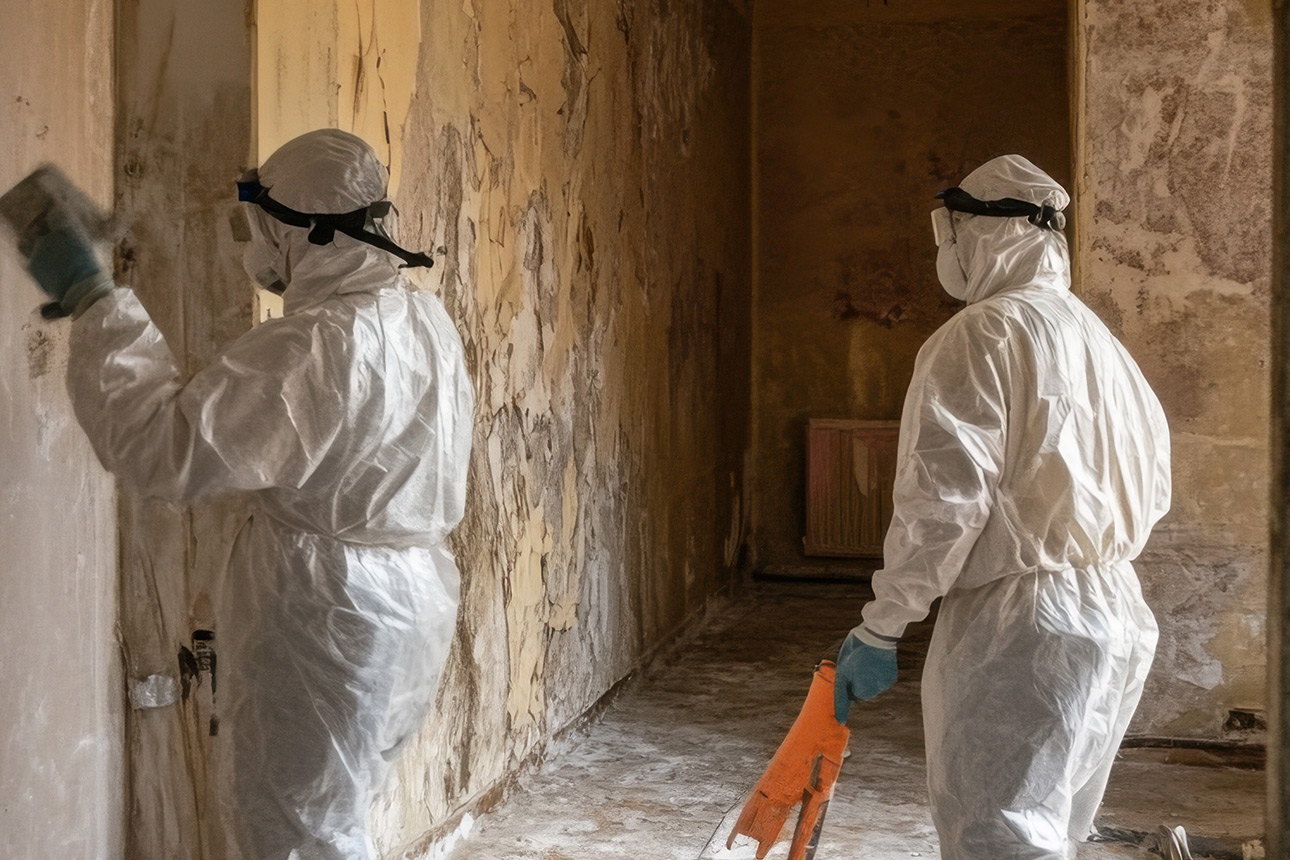
Paint removal is a method used when the homeowner wishes to preserve original architectural features or when removal is the most practical way to eliminate the hazard. Certified professionals use safe, approved techniques to strip lead paint from surfaces. These techniques may include chemical stripping, wet scraping, HEPA-assisted sanding, or controlled heat applications. The goal of paint removal is to eliminate the hazardous paint without releasing dangerous dust into the home.
This method is often chosen for historic homes in Charlotte, where preserving original woodwork, trim, or decorative details is important. Because paint removal is highly sensitive and must be done with specialized equipment, it requires careful planning and containment. Professionals test the surface before and after removal to ensure the process does not create new hazards.
How Professionals Choose the Correct Method
Certified lead abatement professionals begin with a lead inspection or risk assessment. This evaluation determines where the hazards exist, how severe they are, and which abatement method will provide the safest and most efficient solution. In many cases, a combination of methods is used. For example, an older home may require component removal for windows, enclosure for ceilings, and encapsulation for walls that remain structurally sound.
Professionals also consider future renovation plans, the age of the home, the presence of children, and budget constraints. Because each method has its strengths and limitations, selecting the right approach is essential for ensuring long-term safety.
Abatement in Charlotte’s Older Neighborhoods
Charlotte has many historic and pre-1978 neighborhoods where lead hazards are common. Areas such as Dilworth, Plaza Midwood, NoDa, Elizabeth, Myers Park, Gastonia, Concord, and Monroe frequently require abatement services. Homes in these areas often contain original wood windows, extensive trim, and multiple layers of old paint. Certified professionals understand the construction patterns in older North Carolina homes and choose abatement methods tailored to the structure and age of the property.
Conclusion
The four primary lead abatement methods are component removal, enclosure, encapsulation, and paint removal. Each method serves a specific purpose and requires certified expertise to execute correctly. Component removal offers the most permanent solution, while enclosure and encapsulation provide effective options for certain conditions. Paint removal is valuable for homes with historic or detailed architectural features. Because lead abatement is a regulated and sensitive process, homeowners in Charlotte and throughout North Carolina rely on certified professionals to determine the safest and most effective method. Proper abatement protect occupants, improves home safety, and ensures compliance with state and federal regulations.
Related articles
Reliable, scalable builds for retail, office, and industrial spaces—delivered with zero surprises.