B2L Construction

Lead Abatement Services

NC Certified Lead Abatement Services

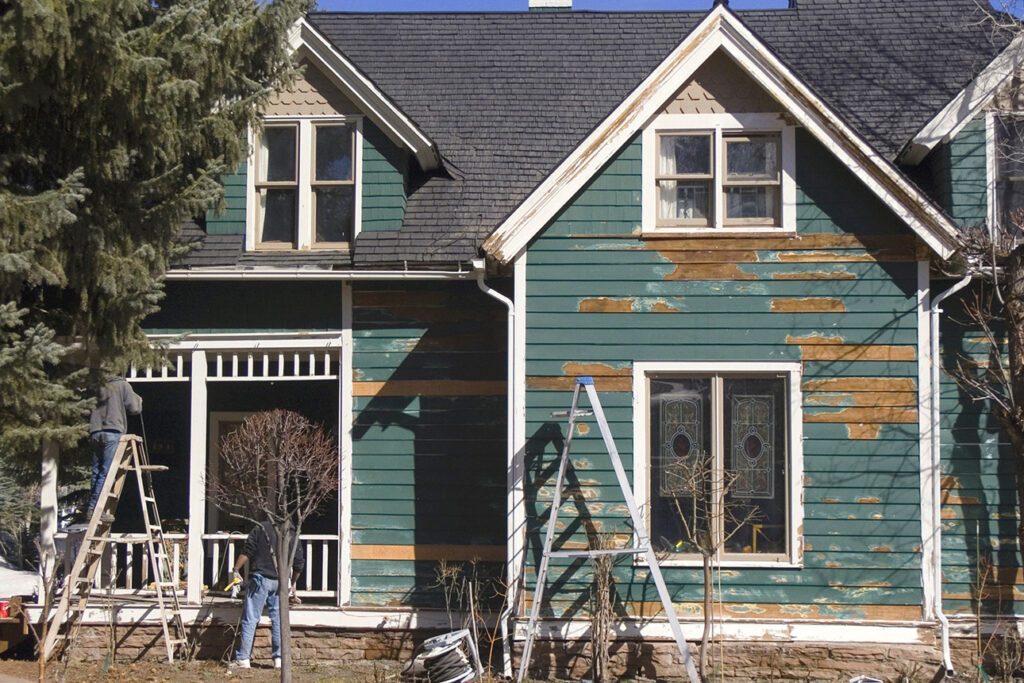
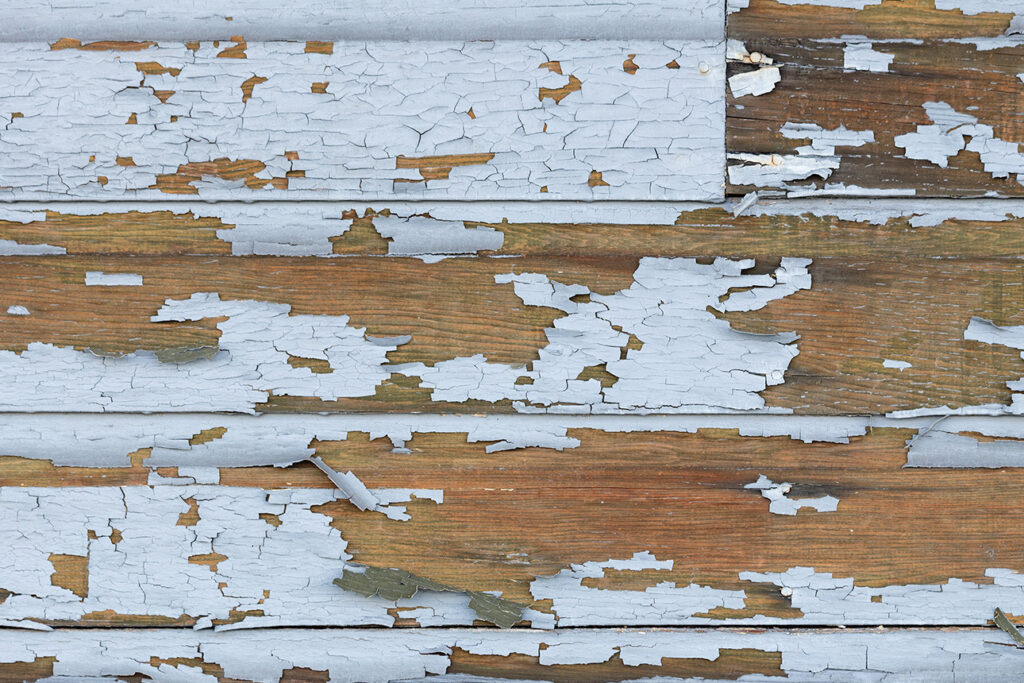
Lead hazards remain a significant concern for families living in older homes throughout North Carolina. Many properties built before 1978 contain lead-based paint on windows, doors, trim, and exterior surfaces. When this paint deteriorates or is disturbed during renovation, it produces fine dust that can spread throughout the home. Lead dust is invisible, highly toxic, and especially dangerous for children. Because of the serious health risks associated with lead exposure, the state of North Carolina requires that true lead abatement be performed only by certified professionals. NC Certified Lead Abatement Services provide the safest and most reliable solution for permanently eliminating these hazards.
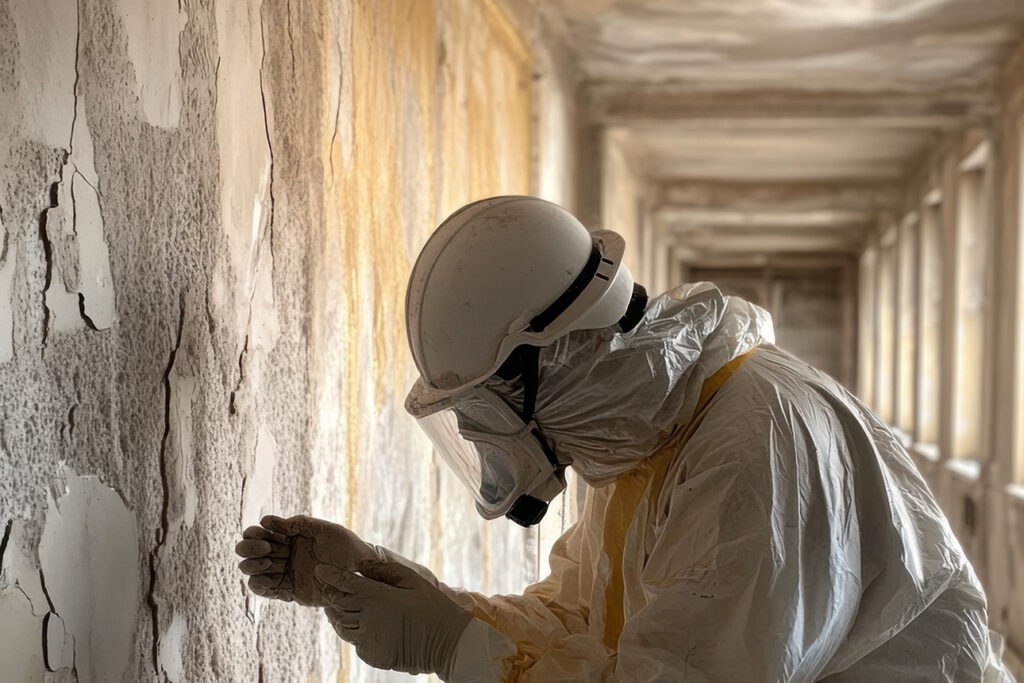
Certified abatement is a regulated process. It requires specialized training, strict safety procedures, and specific methods approved by federal and state authorities. Homeowners cannot perform abatement themselves, and general contractors without proper certification are not legally permitted to do this work. Certification ensures that the people removing lead hazards understand how to protect residents, handle materials safely, and confirm that the home meets clearance standards after the work is complete.
Lead Abatement Services

Do All Houses Built Before 1978 Have Lead

The year 1978 is an important marker in residential construction. This was the year the federal government banned lead-based paint for use in homes due to overwhelming evidence that even small amounts of lead exposure can cause serious health problems. Because of this, many homeowners wonder whether every house built before that year contains lead. The short answer is that not all pre 1978 homes contain lead paint, but a significant majority do. Most homes built before 1960 used lead paint heavily, and many built between 1960 and 1978 used at least some level of lead-based coatings. Understanding this distinction is important for North Carolina homeowners, especially those living in older neighborhoods in Charlotte and surrounding areas.
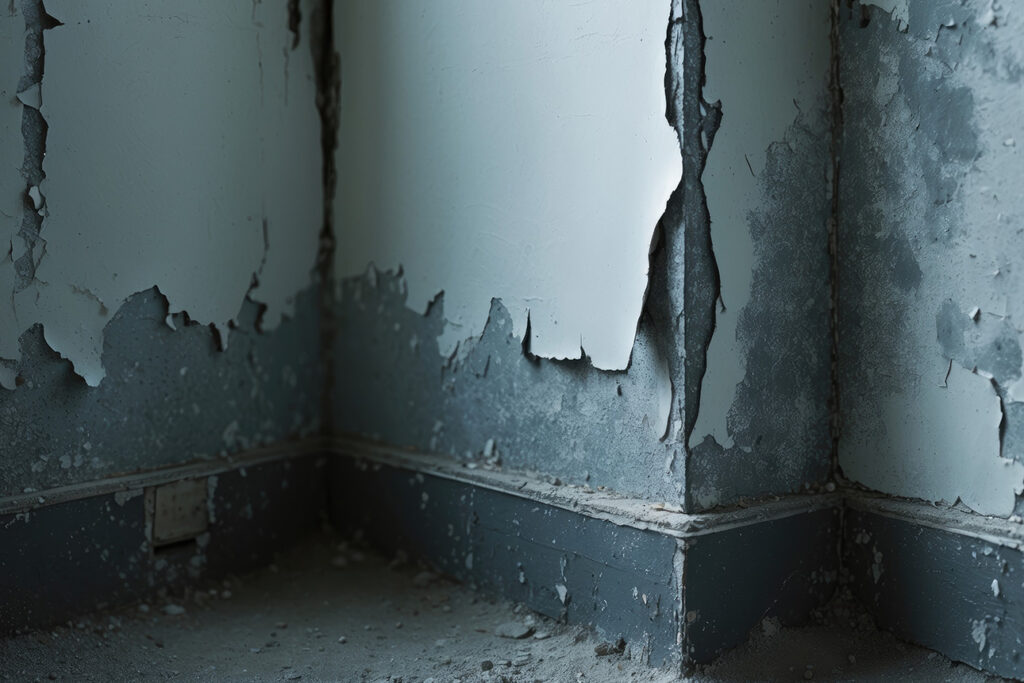
Lead paint is most dangerous when it deteriorates or when it is disturbed during renovation. When old paint breaks down, it releases fine particles of dust that are invisible to the eye but highly toxic. These particles settle on floors, toys, furniture, and inside HVAC systems. Children are particularly vulnerable because they touch surfaces frequently and may ingest lead dust without knowing it. For this reason, knowing whether your home contains lead is one of the most important steps in maintaining a safe living environment.

Lead Abatement Services

How to Perform Lead Abatement

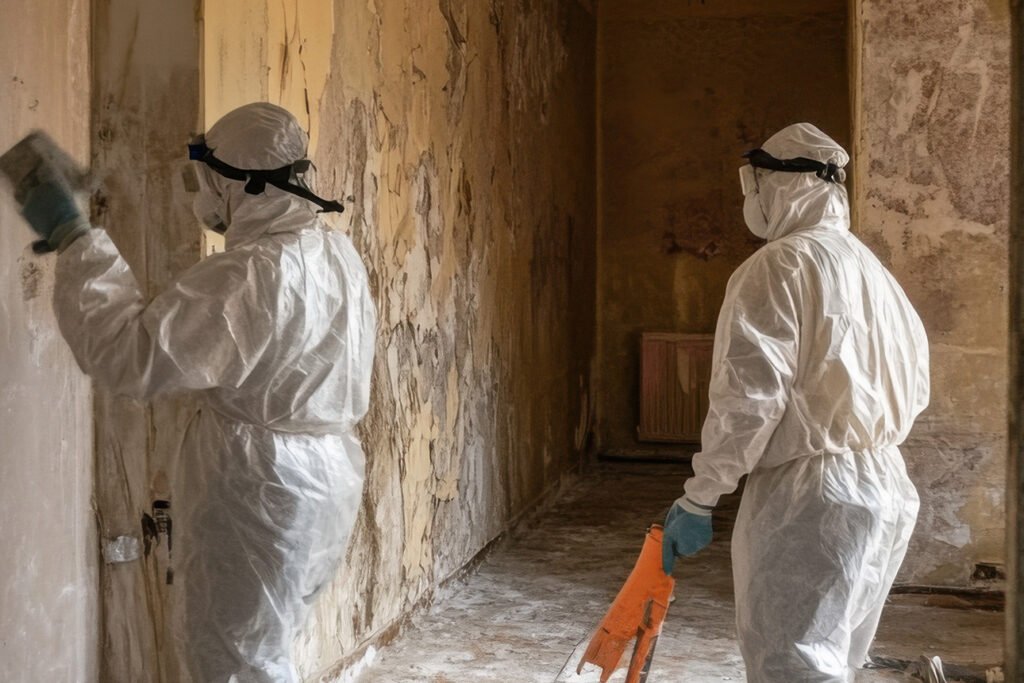
Lead abatement is a regulated, detailed, and carefully controlled process designed to permanently eliminate lead hazards from a home or building. It is not a typical renovation project. It is a health-critical procedure governed by federal and state laws to ensure safe removal, proper disposal, and verified clearance of lead dust. Only trained and certified lead abatement professionals are legally permitted to perform this work in North Carolina. Their training prepares them to handle lead safely, implement containment systems, select correct abatement methods, and protect families from exposure during and after the project.

Lead Abatement Services

Does Homeowners Insurance Cover Lead Removal

Homeowners who discover lead paint or lead dust in their homes often hope that their insurance policy will help cover the cost of removal or abatement. Unfortunately, in North Carolina and across the United States, most homeowners insurance policies do not cover lead removal. Lead is considered a pollutant and a maintenance issue rather than a sudden, accidental event. Because of this classification, insurers typically exclude it from standard policies. Even though lead hazards can be serious and require professional intervention, insurance companies treat them much like mold, asbestos, or termite damage. These risks develop over time and fall under the homeowner’s responsibility to maintain the property.
Understanding why insurance excludes lead removal and which situations may offer exceptions helps homeowners prepare for the costs associated with eliminating lead hazards. Lead abatement is a permanent solution that requires certified professionals, and although insurance rarely pays for it, the investment provides long term safety and peace of mind.

Lead Abatement Services

Lead Paint Removal Services in Charlotte NC

Charlotte is home to some of the most historic and architecturally significant neighborhoods in North Carolina. Many of these homes were built long before the 1978 ban on lead-based paint. As a result, homeowners in areas such as Dilworth, Plaza Midwood, Elizabeth, NoDa, Myers Park, Gastonia, Concord, and Monroe frequently encounter lead paint concerns, especially during renovation projects. Lead paint removal services play a critical role in protecting families from exposure to hazardous dust created by deteriorating or disturbed lead paint. Because lead is most dangerous in its dust form, proper removal requires certified expertise, careful containment, and strict safety procedures.

Lead Abatement Services

Can I Just Paint Over Lead Paint?

Painting over lead paint is one of the first ideas homeowners consider when they discover that a pre 1978 home may contain hazardous paint. It seems simple and inexpensive, and many people believe it is a safe solution. The reality is more complicated. Yes, you can paint over lead paint in certain situations, but it must be done using approved materials and proper preparation. Even then, painting over lead paint is not the same as removing the hazard. It is not considered abatement and does not permanently eliminate the risk. Understanding when painting is acceptable and when professional abatement is required is essential for keeping your home safe.
Homes built before 1978 in Charlotte and throughout North Carolina often contain multiple layers of lead paint beneath newer coatings. These older layers become hazardous when they deteriorate or when friction or impact occurs on the painted surface. Windows, doors, trim, and exterior wood are especially vulnerable. Painting over these areas may seem like a quick fix, but it does not prevent dust from being released when surfaces move or wear down over time. This is why certified lead abatement is often needed to properly address the hazard.

Lead Abatement Services

What Are the 4 Methods of Abatement?

Lead abatement is the process of permanently reducing or eliminating lead hazards from a home or building. It is a regulated procedure overseen by state and federal authorities and performed only by certified professionals. The goal is to remove lead-based paint hazards that threaten the health of occupants, especially young children. In Charlotte and throughout North Carolina, older homes often contain layers of lead paint buried beneath newer coatings. When the paint deteriorates or is disturbed during renovations, dangerous lead dust can spread throughout the property. To eliminate these hazards, professionals rely on four primary abatement methods. These methods include component removal, enclosure, encapsulation, and paint removal. Each method serves a specific purpose depending on the condition of the home and the type of hazard present.

Lead Abatement Services

What Is Lead Abatement?

Lead abatement is the permanent removal or elimination of lead-based paint hazards from a home or building. It is a regulated process that goes far beyond simple repairs or painting. Lead abatement is performed only by certified professionals who follow state and federal requirements designed to protect families from toxic lead exposure. Homes built before 1978 in North Carolina, especially in the Charlotte area, often contain layers of lead-based paint on trim, windows, doors, railings, and exterior wood. When this paint deteriorates, or when the surface is disturbed during renovations, it can release fine lead dust that poses a serious health risk.