B2L Construction

Design-Build Solutions

The Future of Residential and Commercial Construction Using Design Build Systems

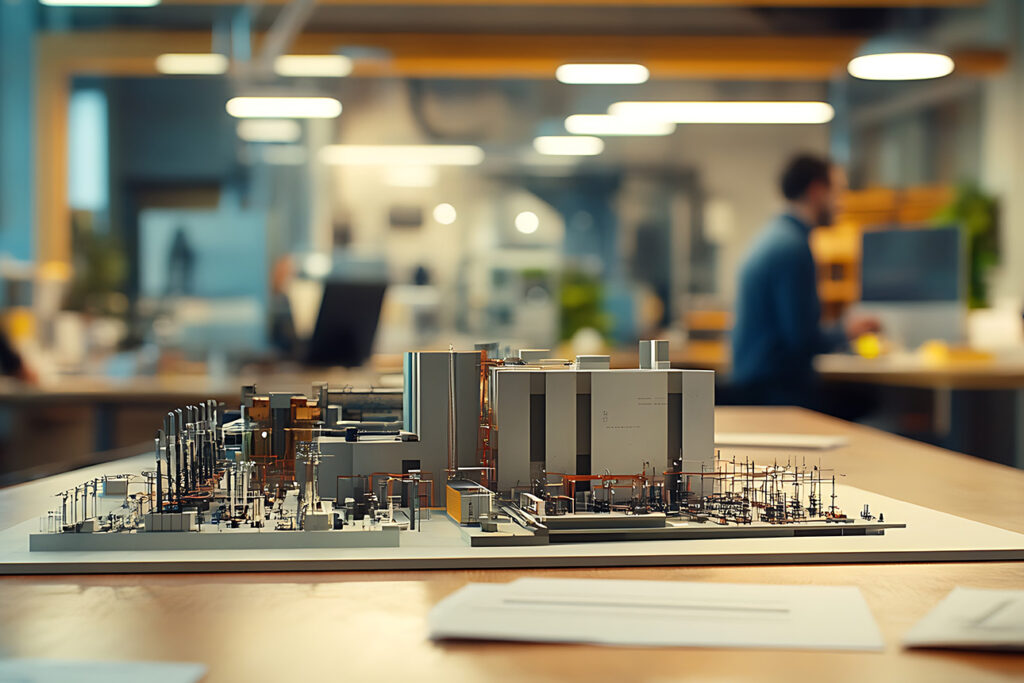
The Future of Residential and Commercial Construction Using Design Build Systems Design build systems are reshaping the future of construction across the United States and especially in growing markets like North Carolina. As clients demand more efficient processes, better communication, and higher quality results, the design build model continues to rise in popularity. Its integrated approach aligns perfectly with modern technology, sustainability goals, and evolving industry expectations. How Technology Is Enhancing Design Build Building Information Modeling and Digital Visualization Modern design build teams use Building Information Modeling to create digital 3D models. These models help identify conflicts, optimize structural elements, and improve communication with clients. Visualization tools allow homeowners and businesses to preview their spaces long before construction begins. Cloud-Based Collaboration and Real-Time Updates Digital communication platforms support transparency, schedule management, and rapid decision making. When clients, designers, and builders all access the same project data, collaboration becomes smoother and more accurate. Sustainability and Energy Efficiency in Design Build Incorporating Green Building Techniques Early Design build teams can incorporate sustainable materials and energy-efficient systems during the earliest stages of planning. This early integration makes it easier to achieve environmental goals without increasing costs. Reducing Waste With Integrated Planning Unified teams make more efficient use of resources, reducing material waste and improving the environmental footprint of the construction process. The Growing Importance of Flexibility in Modern Construction Designing Spaces That Adapt to Future Needs Whether residential or commercial, modern buildings must support evolving lifestyles and business operations. Design build teams can anticipate future changes and incorporate features that allow easier modifications later. Supporting Technology Integration Smart home and smart business systems require coordinated planning. The integrated design build method ensures that technology elements are considered from the beginning. Why Design Build Will Continue to Expand Meeting Client Expectations for Speed and Clarity Clients increasingly value predictable timelines and clear communication. The design build model excels in both areas by combining project responsibilities under one coordinated system. Delivering Higher Quality and Better Value Unified planning reduces the likelihood of errors and improves quality control. This results in better long-term performance and stronger value for homeowners and businesses. Conclusion Design build systems represent the future of residential and commercial construction by combining modern technology, sustainability practices, and unified project management. This method provides efficient, cost-effective, and high-quality solutions that meet the evolving needs of today’s clients. Related articles Reliable, scalable builds for retail, office, and industrial spaces—delivered with zero surprises.
Design-Build Solutions

How Design Build Reduces Project Delays and Miscommuni-cation

How Design Build Reduces Project Delays and Miscommunication Construction delays can significantly increase project costs, disrupt schedules, and cause frustration for homeowners. The design build approach reduces these challenges by integrating planning, design, and construction responsibilities. With designers and builders working as one team, communication strengthens, decisions happen faster, and delays become far less common. Understanding the Causes of Construction Delays Miscommunication Between Independent Teams In the traditional model, architects and contractors often operate separately. When plans are unclear, contractors must request clarification, leading to delays. Different interpretations of design intent can also create conflict. Scheduling and Material Issues Materials such as custom windows, structural components, or specialized fixtures often have long lead times. Without early collaboration, these items may not be ordered in time, resulting in stalled progress. Why Design Build Reduces Delays Continuous Collaboration From Start to Finish Design build encourages communication throughout the entire project. Designers consult with builders during early planning, ensuring that designs are practical, efficient, and aligned with construction timelines. Builders provide real-time feedback to prevent obstacles before they arise. Early Awareness of Material Needs Because the builder participates in design decisions, they know which materials require early ordering. This proactive planning reduces the risk of shortages or shipping delays. Strengthening Communication to Improve Workflow Clear Information Across All Trade Partners When subcontractors receive organized instructions directly from a unified team, they understand the tasks, timelines, and expectations. This clarity reduces misinterpretation and improves efficiency. Faster Decision Making When Issues Arise Unexpected challenges are inevitable in construction. The design build model allows the team to resolve issues immediately because the designer and builder do not need to wait for external approvals or explanations. Improving Schedule Predictability Through Unified Oversight Coordinated Scheduling and Accountability Coordinated scheduling ensures that each phase transitions smoothly. The project manager oversees both the design and construction teams, keeping everyone aligned with the project timeline. Quality Control That Prevents Rework Rework delays are common when tasks are completed incorrectly or out of sequence. Unified teams reduce this risk with consistent oversight and strong quality standards. Conclusion Design build significantly reduces project delays by improving communication, promoting early planning, and aligning responsibilities within a single team. With fewer interruptions and clearer workflows, homeowners enjoy a more efficient and predictable construction experience. Related articles Reliable, scalable builds for retail, office, and industrial spaces—delivered with zero surprises.
Design-Build Solutions

The Benefits of Working with One Team for Design and Construction

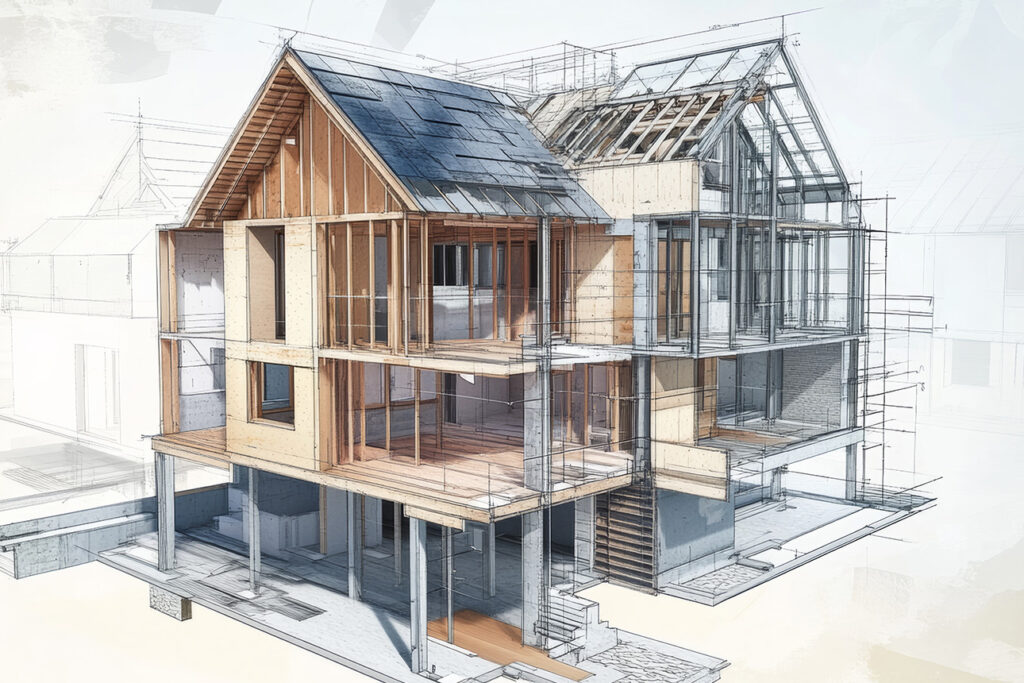
Hiring a single team for both design and construction provides homeowners with a unified and efficient project experience. The design build method eliminates the communication gaps often seen between architects and builders working independently. This integrated approach improves collaboration, cost management, and project outcomes. Improving Efficiency Through Unified Teams Streamlining Communication and Decision Making When one team manages both design and construction, information flows seamlessly. Homeowners do not need to act as intermediaries between separate companies. Questions and updates are addressed quickly, and all parties share the same understanding of project goals. Reducing Misinterpretations and Design Conflicts Traditional construction often suffers from misalignment between design intentions and on-site execution. In design build, the builder and designer collaborate from the early stages, allowing them to identify potential conflicts before construction begins. This reduces the risk of change orders and rework. Enhancing Cost Control and Financial Transparency Creating Realistic Budgets During the Design Phase Design decisions directly affect cost. With the builder present during design discussions, accurate estimates are created early. The team can suggest material alternatives or structural adjustments that align with financial goals without compromising design quality. Minimizing Unexpected Costs Unexpected expenses often arise when design details are unclear. A unified design build team clarifies each phase in advance, preventing misunderstandings that lead to additional charges. Delivering Higher Quality Through Collaboration Ensuring that Design Translates Into Craftsmanship Because designers and builders share responsibility, they work closely to ensure the finished project reflects the intended aesthetics and functionality. This collaboration reduces errors and promotes consistency in quality. Maintaining Accountability Throughout the Project With one team managing every stage, responsibility cannot be shifted. The team remains accountable for outcomes, which leads to higher standards of craftsmanship and better customer satisfaction. Creating a More Enjoyable Client Experience Reducing Stress and Complexity for Homeowners Coordinating between multiple vendors can feel overwhelming. The design build approach removes this burden by giving homeowners a single point of contact who manages communication, scheduling, and oversight. Improving Confidence Through Transparency Design build teams maintain clear communication, explain decisions, and address concerns promptly. Homeowners feel more informed and comfortable throughout the process. Conclusion Working with a single team for both design and construction simplifies the building process, enhances communication, improves quality, and increases cost predictability. This unified approach delivers a more efficient and satisfying experience. Related articles Reliable, scalable builds for retail, office, and industrial spaces—delivered with zero surprises.
Design-Build Solutions

What Is a Design Build Approach and Why Homeowners Prefer It

The design build approach has become one of the most efficient and reliable construction delivery methods for residential and commercial projects. It replaces the traditional separation between architect and contractor with a unified delivery system that integrates design, planning, and construction under one coordinated team. Homeowners increasingly choose design build because it offers clearer communication, fewer surprises, and a smoother path from concept to completion. Understanding the Design Build Model How Design and Construction Work Together In the traditional model, homeowners hire an architect to create plans and then select a builder to execute them. This can lead to miscommunication or design elements that exceed budget limitations. The design build model places both roles within the same team, allowing designers and builders to collaborate from the start. This integrated partnership ensures that ideas are both architecturally sound and practical to construct. Aligning Vision With Budget Early in the Process One of the biggest advantages of design build is cost predictability. Because the builder participates in design discussions, the team estimates expenses early and adjusts plans before they become costly to change. This helps homeowners maintain control of their budget and reduces the likelihood of unexpected expenses during construction. Why Homeowners Prefer the Design Build Process Simplified Communication and Project Oversight With a single team managing the entire project, communication flows more easily. Homeowners know exactly where to direct questions and concerns. When the designer and builder work together, decisions are made quickly and clearly, preventing delays and misunderstandings. Faster Project Timelines With Fewer Delays Traditional construction projects often stall when plans do not translate smoothly into building instructions. Design build eliminates this handoff by ensuring that the team responsible for the design also manages the construction. This alignment reduces delays, improves scheduling accuracy, and helps projects finish sooner. Design Build as a Quality-Focused Approach Consistency in Craftsmanship and Design Intent When one team handles every phase, they take collective ownership of the final product. Builders understand the reasons behind design decisions, and designers understand construction capabilities. This shared accountability produces higher-quality results. Improved Problem Solving and Adaptability Every construction project encounters challenges. The design build model enables quick collaboration to find cost-effective solutions without sacrificing quality or delaying progress. Conclusion The design build approach streamlines the entire construction process by integrating design, planning, and execution under one team. Homeowners benefit from clearer communication, better cost control, faster delivery, and improved quality. This modern construction method continues to grow in popularity because it delivers predictable results, well-coordinated, and satisfying project outcomes. Related articles Reliable, scalable builds for retail, office, and industrial spaces—delivered with zero surprises.
Project Management

The Role of Quality Control in Successful Construction Projects

Quality control influences every aspect of a construction project. It ensures that work is performed correctly, safely, and according to plan. Without proper oversight, even small issues can escalate into costly repairs or long-term structural concerns. Project managers enforce quality at every stage to protect the investment and uphold professional standards. Why Quality Control Begins Before Construction Starts Reviewing Plans and Preparing Documentation Quality control starts with a detailed review of architectural and engineering plans. Project managers verify accuracy, identify potential conflicts, and prepare workflows based on the design. This early attention to detail reduces the risk of surprises later. Establishing Expectations With Subcontractors Contractors communicate standards regarding materials, installation practices, and workmanship. Subcontractors who understand expectations perform more consistently and deliver better results. Maintaining Quality During Construction Regular Inspections at Key Stages Project managers examine work during framing, mechanical installation, insulation, drywall, and finishing. Inspections confirm that each phase meets code requirements and aligns with the project’s design. Verifying Material Quality and Installation Techniques Quality materials require proper handling and installation. Project managers check that materials match specifications and are used appropriately. Protecting Safety and Structural Integrity Ensuring Compliance With Code and Safety Standards Building codes exist to protect occupants and prevent hazards. Quality control ensures that structural, electrical, plumbing, and mechanical elements are installed safely and correctly. Minimizing Risks Through Proper Oversight Mistakes in construction can create long-term issues such as water damage, improper ventilation, or structural instability. Oversight prevents shortcuts and enforces professionalism. Quality Control During Final Completion Punch List and Final Inspections Before turnover, project managers create a comprehensive punch list. Items requiring adjustments or repairs are completed promptly to ensure customer satisfaction. Providing Documentation and Warranty Information Owners receive important records that confirm the quality and compliance of the work. These documents support future maintenance and resale value. Conclusion Quality control is essential for achieving safe, durable, and aesthetically pleasing results. With strong oversight from experienced project managers, construction projects proceed with confidence and deliver long-lasting value. Related articles Reliable, scalable builds for retail, office, and industrial spaces—delivered with zero surprises.
Project Management

Understanding the Phases of a Construction Project from Planning to Completion

Every construction project progresses through a series of phases that guide development from concept to finished structure. Understanding these phases helps homeowners and businesses prepare for what to expect and make informed decisions along the way. Properly managing each phase ensures a smooth and predictable construction experience. Phase One: Initial Planning and Concept Development Understanding the Goals and Requirements The planning phase involves defining the project’s purpose, budget, design preferences, and functional needs. Contractors and owners work together to outline the vision and determine feasibility. Evaluating the Site and Existing Conditions Before design decisions begins, the site must be assessed for grading, access, utility availability, and potential challenges. Understanding these factors early helps shape realistic expectations. Phase Two: Design and Documentation Developing Architectural and Engineering Plans Architects and engineers produce drawings that reflect the homeowner’s goals and include structural details, electrical layouts, plumbing systems, and mechanical requirements. Finalizing Materials, Finishes, and Specifications Early decisions help streamline construction. Contractors provide guidance on material costs, availability, and performance to support informed selections. Phase Three: Permitting and Approvals Submitting Plans for Review Municipal authorities review plans for compliance with building codes, zoning rules, fire safety, and accessibility standards. Accurate documentation reduces the likelihood of delays. Preparing for Required Inspections Permits include inspection checkpoints throughout construction. Understanding the inspection timeline supports smoother scheduling. Phase Four: Construction and Project Execution Site Preparation and Foundation Work Clearing, grading, and preparing the site create the foundation for the building. Proper execution ensures long-term stability. Framing and Infrastructure Installation Once framing is complete, trades install electrical, plumbing, and HVAC systems. These must pass inspections before walls are closed. Finishes and Final Details Flooring, cabinetry, fixtures, and paint complete the home or commercial space. Quality control during this phase ensures that the final product meets expectations. Phase Five: Closeout and Project Completion Final Walkthrough and Punch List Homeowners and contractors identify any remaining tasks that need completion. These items are addressed before final approval. Turnover and Long-Term Maintenance Guidance Contractors provide documentation, warranties, and recommendations for maintaining the new structure. Once complete, the project transitions to occupancy. Conclusion Understanding the phases of construction helps owners navigate the process confidently. Clear expectations, strong communication, and structured management ensure that each phase progresses smoothly and leads to a successful final result. Related articles Reliable, scalable builds for retail, office, and industrial spaces—delivered with zero surprises.
Project Management

How Construction Project Managers Keep Teams Aligned and Accountable

Commercial and residential construction involves many specialists who must work together in a coordinated sequence. Without strong oversight, schedules fall apart and quality suffers. Construction project managers build unity among subcontractors, guide communication, and ensure accountability throughout each phase. Establishing Clear Expectations From the Start Defining the Scope and Project Vision Before work begins, project managers review drawings, specifications, and the client’s goals. They explain expectations to subcontractors and define the quality standards that will guide the project. This clarity helps teams understand their responsibilities. Setting Realistic Schedules for Each Trade A project timeline is more than a list of dates. It is a detailed plan mapping out all stages of construction. By defining start and end points for each trade, project managers prevent delays and create an orderly workflow. Maintaining Communication Across All Teams Regular Meetings and On-Site Coordination Project managers communicate updates, address conflicts, and reinforce expectations. On-site coordination ensures that teams understand what has been completed and what is required before they can begin their work. Documenting Changes and Adjustments Changes occur during nearly every project. Documentation helps maintain alignment by recording decisions, updating plans, and confirming that all teams are working from the same information. Ensuring Accountability and Performance Monitoring Work Quality at Every Phase Project managers verify that work meets standards before moving to the next phase. This oversight prevents poor craftsmanship and ensures that subcontractors complete their tasks correctly. Addressing Issues Immediately When challenges arise, project managers intervene quickly. They communicate with subcontractors, clarify details, and create solutions that keep the project on track. Supporting Collaboration and Problem Solving Building Trust Among Teams When subcontractors trust the project manager, collaboration improves. Project managers who communicate respectfully and professionally foster strong working relationships that benefit the entire construction process. Conclusion Project managers keep construction teams aligned by setting clear expectations, maintaining open communication, and enforcing accountability. Their leadership ensures that projects move forward efficiently and meet high standards of quality. Related articles Reliable, scalable builds for retail, office, and industrial spaces—delivered with zero surprises.
Project Management

Why Professional Project Management Saves Time and Money in Construction

Construction projects succeed when they are guided by careful planning, disciplined scheduling, and consistent oversight. Homeowners and businesses often underestimate the complexity of coordinating multiple trades, managing materials, and ensuring code compliance. Professional project management protects the investment by reducing delays, preventing costly mistakes, and deliver predictable results. The Financial Benefits of Strong Project Management Accurate Budgeting and Cost Control A well-managed project begins with a detailed estimate that accounts for labor, materials, permitting, and contingencies. Professional project managers track expenses throughout each phase and address issues before they impact the budget. This oversight prevents unexpected costs and ensures that financial decisions support the overall project goals. Preventing Expensive Errors and Rework Mistakes often occur when communication is unclear or work begins without proper coordination. Rework is costly and delays the schedule. Project managers carefully review plans, verify details with subcontractors, and ensure that each task meets quality expectations. This level of scrutiny reduces the risk of error. Time-Saving Advantages of Project Management Efficient Scheduling and Trade Coordination Construction requires precise timing. Electricians cannot complete their work until framing is finished, and drywall cannot begin until inspections are passed. Project managers create detailed schedules that sequence tasks efficiently. When every team knows when to arrive and what to complete, productivity increases and delays decrease. Quick Decision Making and Issue Resolution Problems arise in most construction projects, but delays occur when decisions are not made quickly. Project managers evaluate the situation, provide recommendations, and secure approvals from the owner. This rapid response keeps the project moving. Improving Communication Throughout the Project Maintaining a Single Point of Contact Instead of managing conversations with multiple subcontractors, homeowners can rely on one professional to answer questions, provide updates, and document changes. This central communication ensures consistency and reduces misunderstandings. Monitoring Progress and Reporting Regularly Project managers keep owners informed with updates on schedule, budget, and milestones. This information builds confidence and prevents surprises. Enhancing Quality and Protecting the Investment Ensuring Code Compliance and Inspection Readiness Project managers prepare the site for inspections and confirm that work meets safety standards. Passing inspections on the first attempt prevents delays and protects the integrity of the structure. Maintaining Long-Term Performance Quality work requires careful oversight. Project managers enforce standards that support durability and functionality, protecting the home or business for years to come. Conclusion Professional project management saves time and reduces costs by providing structure, accountability, and expert guidance. With a dedicated project manager overseeing each phase, construction becomes more predictable, efficient, and successful. Related articles Reliable, scalable builds for retail, office, and industrial spaces—delivered with zero surprises.
Renovations & Remodeling

How to Plan a Whole Home Renovation Without Stress or Surprise Costs

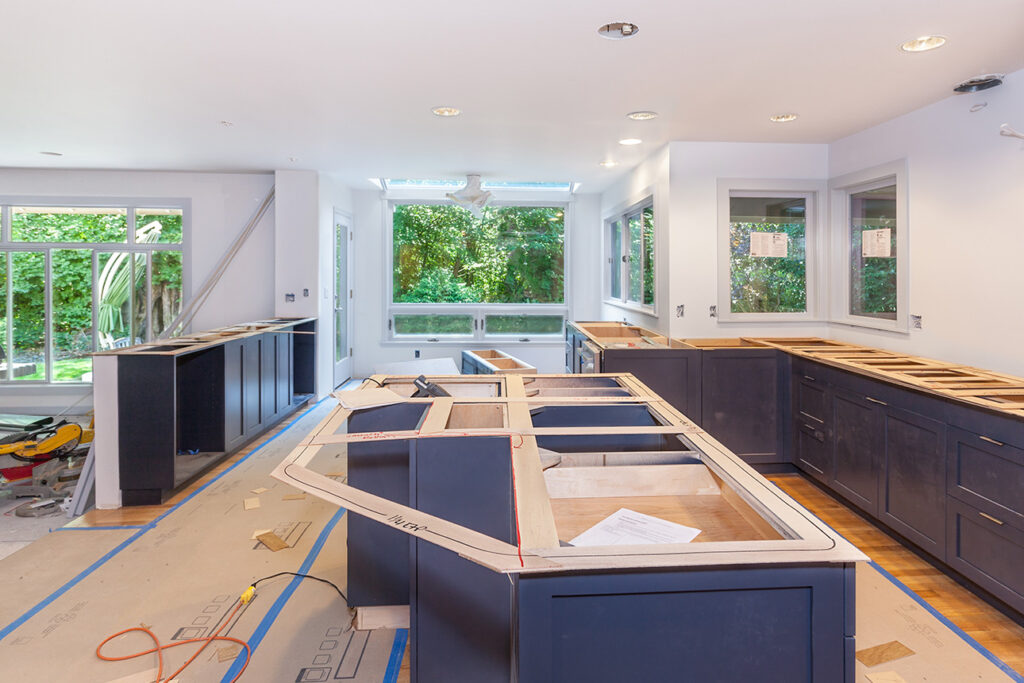
A whole home renovation transforms how families live, work, and enjoy their space. The process can be exciting, but without proper planning it can also become overwhelming. Many homeowners underestimate the time, cost, and coordination required. Clear expectations and thoughtful preparation allow the renovation to progress smoothly and reduce the risk of stress or unexpected expenses. Understanding the Full Scope of a Whole Home Renovation Identifying Renovation Goals and Priorities The first step is determining what the homeowner hopes to achieve. Some families prioritize layout improvements while others focus on modernizing finishes or increasing energy efficiency. Clear goals guide design decisions, budget planning, and contractor selection. Evaluating the Current Condition of the Home Older homes may have structural issues, outdated wiring, plumbing concerns, or insulation deficiencies. Understanding these conditions early helps establish realistic budgets and timelines. A qualified contractor can assess the home and provide insight into potential challenges. Budget Planning for Predictable Renovation Costs Creating a Realistic Budget Range A successful renovation depends on a budget that aligns with project goals. Homeowners must account for labor, materials, design services, permits, and structural modifications. Renovations often uncover hidden issues once walls are opened, so including a contingency reserve protects against financial surprises. Understanding Material and Finish Selections Flooring, cabinetry, tile, fixtures, and appliances vary greatly in cost. Homeowners who finalize selections early avoid delays and maintain control of the budget. Contractors help balance style preferences with price point options. Choosing the Right Renovation Contractor Experience With Whole Home Projects Not every contractor specializes in large-scale renovations. Whole home projects require advanced coordination, structural understanding, and clear communication. Reviewing a contractor’s previous work provides confidence in their capabilities. Communication and Project Transparency Renovations progress more smoothly when contractors provide regular updates and explain upcoming phases. Open communication eliminates confusion and ensures that homeowners remain informed. Design and Planning to Prevent Delays Finalizing Layout and Material Choices Early Design changes during construction delay progress and increase costs. Completing design decisions before construction begins allows the team to order materials and schedule trades confidently. Coordinating Permits and Inspections Many renovations require permits for electrical, plumbing, HVAC, or structural changes. Submitting accurate plans and preparing for inspections keeps the project moving. Preparing the Home and Living Arrangements Managing Daily Life During a Renovation Renovations disrupt normal routines. If kitchens or bathrooms will be unusable, homeowners must plan temporary accommodations. Contractors can advise on the most disruptive phases so families can prepare accordingly. Conclusion A well-planned whole home renovation leads to a functional, beautiful, and long-lasting space. With realistic budgeting, thoughtful design decisions, and strong communication, homeowners can navigate the process confidently confidently. Proper preparation transforms a complex renovation into a rewarding experience. Related articles Reliable, scalable builds for retail, office, and industrial spaces—delivered with zero surprises.

Renovations & Remodeling

The Top Home Remodeling Upgrades That Increase Property Value in North Carolina

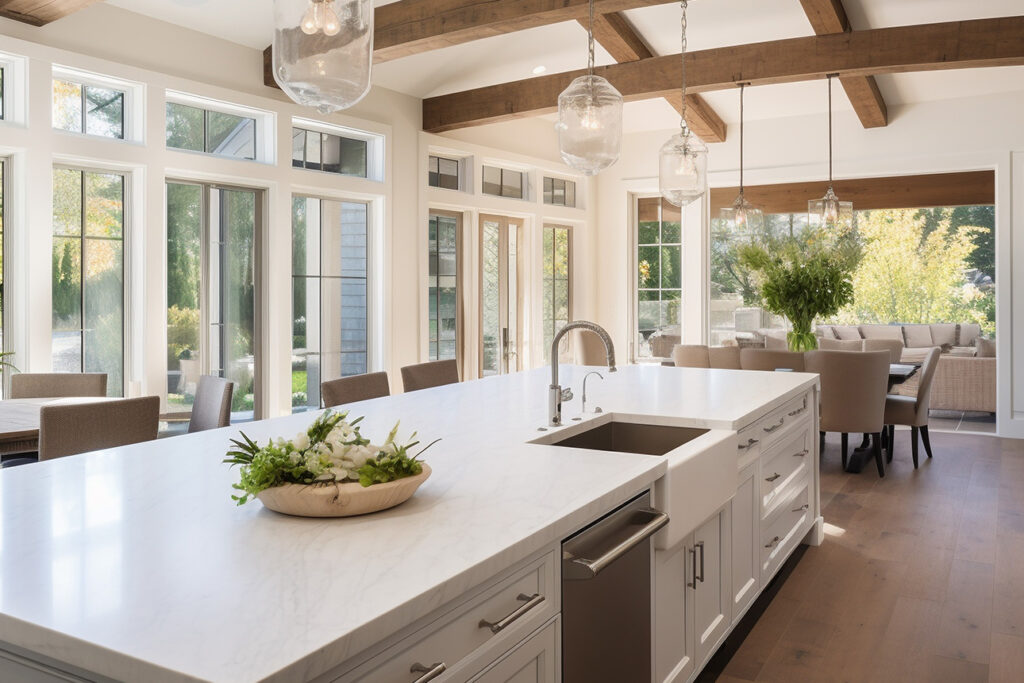
Homeowners across North Carolina invest in remodeling projects to improve comfort and increase property value. Certain upgrades consistently provide higher returns and attract more buyers. Understanding these improvements helps homeowners choose renovations that deliver lifestyle benefits and financial advantages. High-Value Interior Remodeling Upgrades Kitchen Renovations That Modernize the Home The kitchen remains one of the most influential rooms when evaluating property value. Upgrading cabinetry, countertops, lighting, and appliances helps create a modern, functional space. Open layouts improve flow and make the home feel larger. Even simple changes like refreshed hardware or updated backsplashes create visual impact. Bathroom Improvements That Attract Buyers Bathrooms are another major selling point. Modern tile, clean finishes, upgraded fixtures, and improved storage make bathrooms more comfortable and desirable. Walk-in showers, double vanities, and improved ventilation systems contribute to long-term value. Flooring and Interior Aesthetic Enhancements Replacing worn flooring with hardwood, luxury vinyl plank, or tile dramatically improves the appearance of the home. Updated paint colors and improved lighting also contribute to a fresh, appealing interior. Outdoor and Exterior Upgrades That Add Value Enhanced Outdoor Living Spaces North Carolina’s climate makes outdoor living a priority for many homeowners. Decks, patios, screened porches, and outdoor kitchens expand usable space and appeal to buyers. Quality exterior improvements strengthen first impressions. Curb Appeal and Structural Enhancements New roofing, updated siding, improved landscaping, and modern designentryways enhance property value. These upgrades demonstrate long-term maintenance and positive curb appeal. Energy Efficiency as a Valuable Remodeling Strategy Upgrading Windows, Insulation, and HVAC Systems Energy-efficient upgrades reduce monthly expenses and appeal to environmentally conscious buyers. Better insulation and high-quality windows improve comfort and reduce strain on heating and cooling systems. Smart Home and Energy Management Features Smart thermostats, advanced lighting controls, and improved home monitoring systems create convenience while improving energy efficiency. Choosing Upgrades Based on Long-Term Use and Market Demand Understanding Local Real Estate Trends Housing markets vary across North Carolina. Upgrades that appeal to buyers in Charlotte may differ from those in smaller towns. Contractors and real estate professionals can guide homeowners toward high-value improvements for their specific area. Balancing Personal Style and Broad Appeal While personalization is important, striking a balance between unique style and widely appealing design ensures stronger resale value. Conclusion Investing in strategic remodeling upgrades can significantly increase property value and improve everyday living. By focusing on kitchens, bathrooms, outdoor spaces, and energy efficiency, homeowners create homes that attract buyers and stand out in the North Carolina real estate market. Related articles Reliable, scalable builds for retail, office, and industrial spaces—delivered with zero surprises.