

Do All Houses Built Before 1978 Have Lead
The year 1978 is an important marker in residential construction. This was the year the federal government banned lead-based paint for use in homes due to overwhelming evidence that even small amounts of lead exposure can cause serious health problems. Because of this, many homeowners wonder whether every house built before that year contains lead. The short answer is that not all pre 1978 homes contain lead paint, but a significant majority do. Most homes built before 1960 used lead paint heavily, and many built between 1960 and 1978 used at least some level of lead-based coatings. Understanding this distinction is important for North Carolina homeowners, especially those living in older neighborhoods in Charlotte and surrounding areas.
Lead paint is most dangerous when it deteriorates or when it is disturbed during renovation. When old paint breaks down, it releases fine particles of dust that are invisible to the eye but highly toxic. These particles settle on floors, toys, furniture, and inside HVAC systems. Children are particularly vulnerable because they touch surfaces frequently and may ingest lead dust without knowing it. For this reason, knowing whether your home contains lead is one of the most important steps in maintaining a safe living environment.
Lead Paint Was Extremely Common Before the 1960s
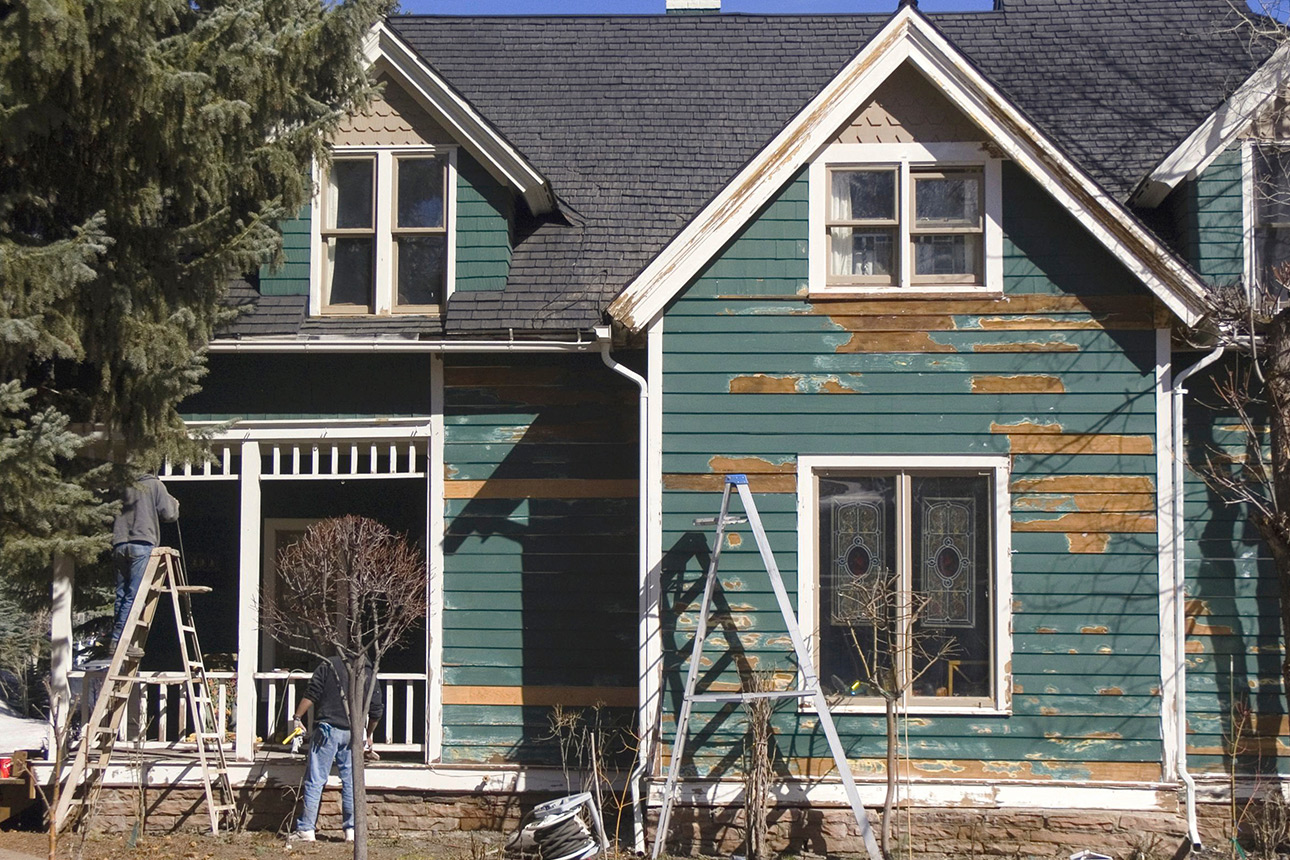
Although lead paint was not officially banned until 1978, its use significantly declined after the late 1950s as manufacturers began to recognize health concerns. Homes built before 1940 almost always contain lead paint in some capacity. These homes often have multiple layers of lead paint buried beneath newer coatings. Even if the interior appears freshly painted, the underlying layers may still pose a hazard if disturbed.
Homes built between 1940 and 1960 usually contain lead paint as well, although in some cases the usage decreased toward the end of this period. Between 1960 and 1978, lead paint use dropped further but did not disappear entirely. Some builders continued using it because it was durable, resistant to moisture, and readily available. Therefore, any home built before 1978 should be considered at risk unless it has been tested and confirmed lead free.
In cities like Charlotte, Concord, Gastonia, Kannapolis, and Monroe, many historic and mid century homes still contain lead paint. Renovations, weather exposure, and aging materials can all cause underlying lead layers to break down.
Lead paint was not used only on walls. It was commonly applied to trim, windows, doors, stair rails, baseboards, porches, and exterior siding. These surfaces tend to experience friction or impact, which causes lead dust to form over time. For example, each time a window opens and closes, the friction between the sash and the frame grinds lead paint into dust. This dust settles on window sills and floors where children can easily come into contact with it.
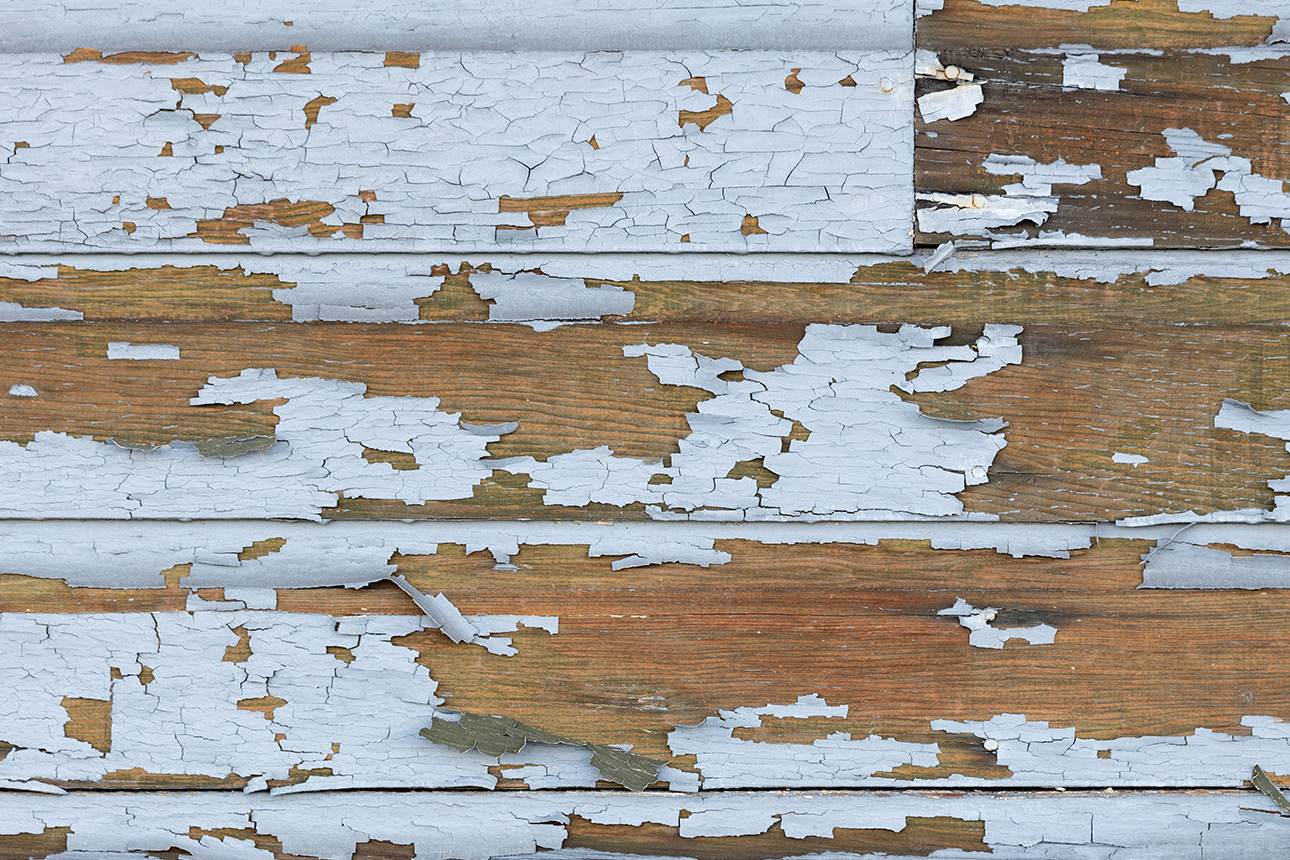
Exterior lead paint often flakes and falls into the soil. Children playing outside may be exposed through direct contact with the soil, and pets may track contaminated soil indoors. Even if the home has been repainted many times, the original layers underneath may still contain lead, and deterioration can occur beneath the surface.
A Fresh Coat of Paint Does Not Eliminate the Hazard
It is a common misconception that painting over lead paint removes the problem. Modern, non lead paints can cover the surface but do not neutralize the underlying hazard. If the original lead paint begins to peel or crack, the new coating will fail along with it. Moisture, heat, structural shifting, or impact can all cause the surface to deteriorate, revealing lead layers beneath.
Encapsulation, which uses a special lead-sealing product, can sometimes be a temporary solution for smooth and stable surfaces. However, it is not a permanent fix and cannot be used on friction surfaces such as windows and doors. Only certified lead abatement fully removes or permanently controls the hazard.
How to Determine Whether a Pre 1978 Home Has Lead Paint
The only reliable way to know whether your home contains lead paint is through professional testing. A certified lead inspector uses specialized equipment to test painted surfaces, including those underneath newer layers. XRF testing provides instant results, while paint chip sampling offers laboratory-confirmed findings. Risk assessments also include dust and soil testing, which helps determine whether lead hazards are actively present in the home.
In North Carolina, certified inspectors and risk assessors follow strict procedures to ensure accurate and trustworthy results. Home test kits sold in stores are not reliable enough for official diagnosis or for planning renovation or abatement work.
When Lead Abatement Is Recommended
If a home contains deteriorating lead paint, lead dust, contaminated soil, or friction surfaces that produce dust, lead abatement is strongly recommended. Abatement may also be required during certain home sales, rental inspections, childcare licensing, or when a child in the household has elevated blood lead levels.
In many older Charlotte neighborhoods, homeowners choose to proactively address lead hazards before beginning major renovation projects. Removing the hazard before construction prevents contamination and protects workers and residents. Abatement also increases property value, as buyers appreciate homes that have documented safety improvements.
Older Homes Can Be Made Completely Safe
It is important to understand that a pre 1978 home is not automatically dangerous simply because it was built before the ban on lead paint. The condition of the paint is the critical factor. If the lead paint is intact and not disturbed, the risk may be low. However, deterioration can happen at any time, especially in older homes with humidity issues or worn surfaces. Regular maintenance, testing, and professional oversight help ensure long term safety.
When needed, certified lead abatement provides a permanent solution by removing or controlling hazardous materials. Component removal, enclosure, safe paint removal, and soil replacement can all make an older home just as safe as a modern one.
Conclusion
Not every home built before 1978 contains lead paint, but most do, especially those built before 1960. Lead paint may be hidden under layers of newer paint and often exists on surfaces that create dust through friction. The only reliable way to determine whether your home contains lead is through certified inspection and testing. When hazards are found, lead abatement provides a permanent and regulated solution that protects families and preserves the value of the home. For North Carolina homeowners, particularly those in Charlotte’s older neighborhoods, understanding the potential risks and addressing them proactively ensures a safer and healthier living environment.
Related articles
Reliable, scalable builds for retail, office, and industrial spaces—delivered with zero surprises.