

How to Perform Lead Abatement
Lead abatement process is a regulated, detailed, and carefully controlled process designed to permanently eliminate lead hazards from a home or building. It is not a typical renovation project. It is a health-critical procedure governed by federal and state laws to ensure safe removal, proper disposal, and verified clearance of lead dust. Only trained and certified lead abatement professionals are legally permitted to perform this work in North Carolina. Their training prepares them to handle lead safely, implement containment systems, select correct abatement methods, and protect families from exposure during and after the project.
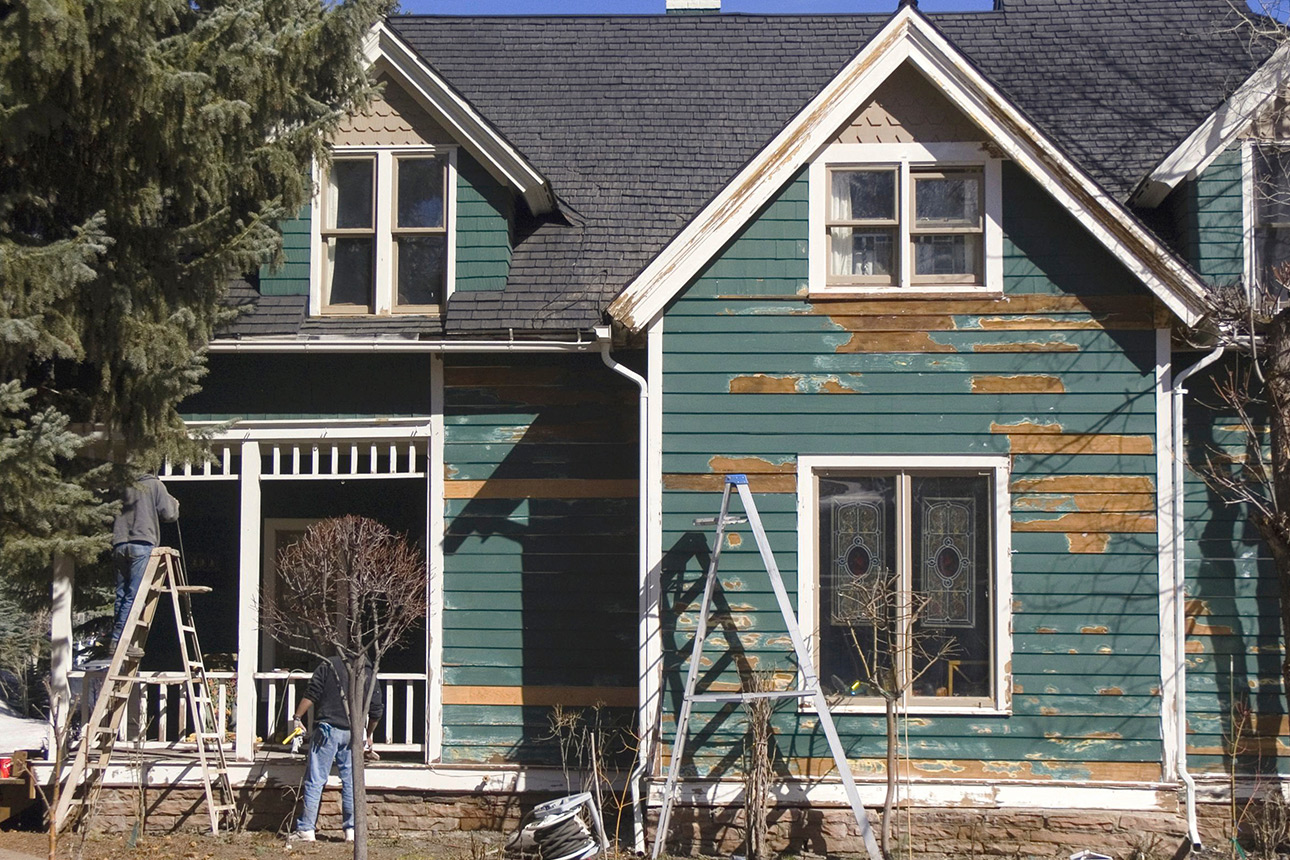
Lead abatement is necessary for many older homes and buildings throughout North Carolina. Cities such as Charlotte, Concord, Gastonia, and Monroe contain thousands of pre 1978 homes that still hold layers of lead paint beneath surface coatings. When these layers deteriorate, or when renovations disturb them, lead dust can spread into the living environment. Lead dust is toxic even in small amounts and most harmful to young children. Because of these risks, abatement must be performed correctly and thoroughly, using approved techniques and verified testing.
A Lead Inspection or Risk Assessment Starts the Process
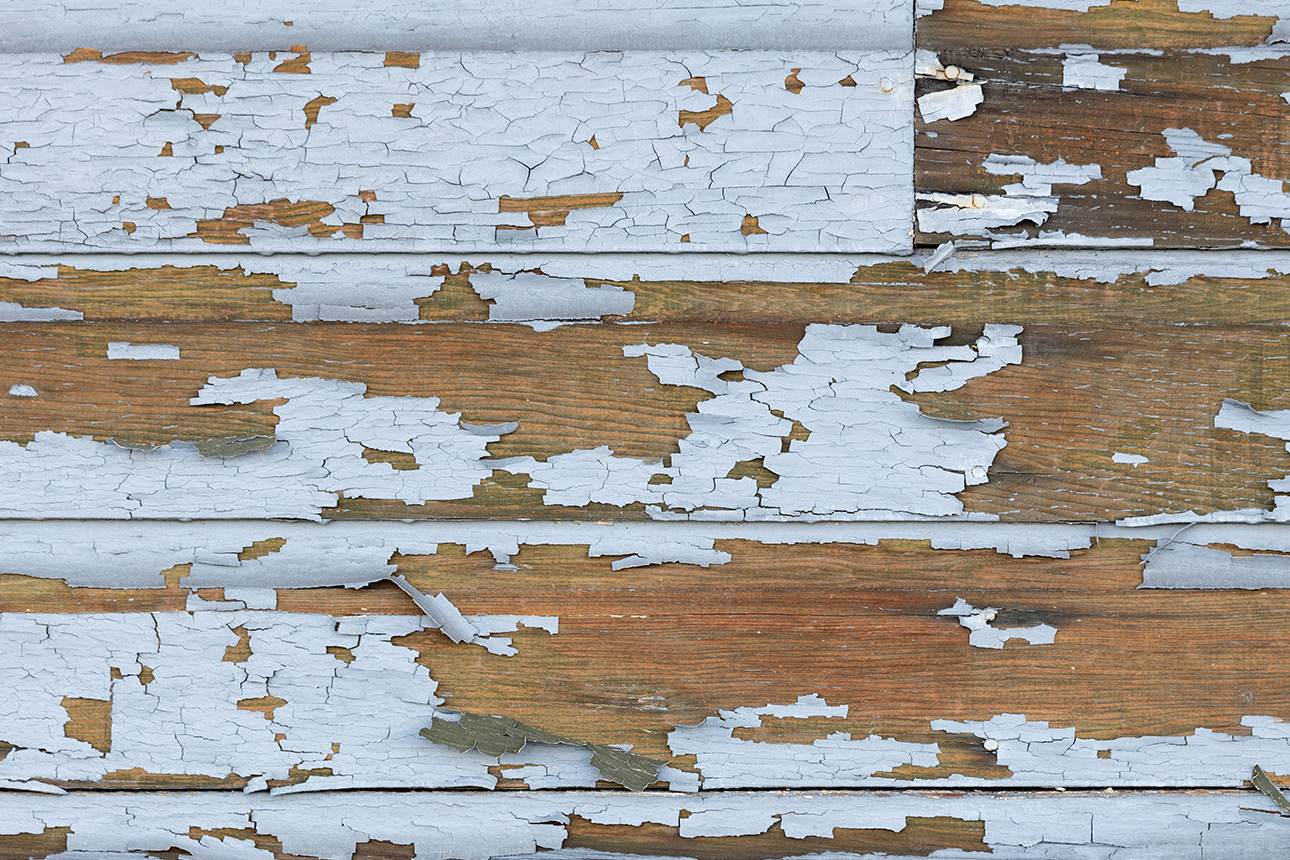
Lead abatement always begins with a lead inspection or risk assessment conducted by a certified lead inspector or risk assessor. The purpose of the inspection is to identify exactly where lead hazards exist. Inspectors test painted surfaces using XRF devices or laboratory analysis. They also test dust from floors, window sills, and window troughs. Soil testing may be included if exterior paint has deteriorated.
The risk assessment evaluates not only where lead is present but also how likely it is to cause exposure. Friction surfaces such as windows and doors often create the highest risk because they grind lead dust into the air whenever they move. Once hazards are identified, the inspector prepares an abatement plan that outlines the steps necessary to eliminate the risks.
Developing an Abatement Plan
A written abatement plan is required for certified projects in North Carolina. The plan describes the areas that will be addressed, the methods that will be used, the containment strategies needed, the protective gear required, and how waste will be handled. This plan ensures that the project follows state and federal standards and provides a record that the property owner can keep for future reference. The plan also helps cordinate schedules and ensures that all workers on site understand the scope and safety requirements of the project.
Containment Protects the Home During Abatement
Before any removal work begins, professionals install containment systems. Containment prevents lead dust from spreading beyond the work area. Workers seal off rooms using thick plastic sheeting, cover floors, close HVAC vents, and create controlled entry and exit points. Negative air pressure machines may be used to keep dust from escaping. These precautions are essential. Without proper containment, lead dust can drift into clean areas of the home and settle into carpets, furniture, and ventilation systems.
Homeowners are often asked to relocate temporarily during certain types of abatement. This depends on the size of the project, the work area, and whether the property contains high risk occupants such as infants or pregnant women. Certified professionals explain these requirements before work begins so the homeowner can plan accordingly.
Abatement Methods Used by Certified Professionals
Once containment is in place, the actual abatement work begins. Professionals choose from four primary methods. The method selected depends on the condition of the lead paint, the type of surface, budget considerations, and whether the homeowner wants to preserve original architectural details.
Component removal is the most permanent method. It involves removing building components that contain lead, such as windows, doors, trim, or siding. These components are replaced with new, lead-free materials. Removal eliminates the lead hazard entirely and prevents future problems.
Enclosure is another method where workers install a durable barrier over the lead painted surface. Drywall, paneling, metal, or other solid materials may be used to create a permanent covering. If installed correctly, the enclosure prevents lead dust from entering the living space.
Encapsulation involves applying a specially formulated coating over lead paint. This coating bonds to the surface and creates a long-lasting seal. Encapsulation works only on surfaces that are in good condition and not subject to friction or impact.
Paint removal is used when homeowners want to preserve historic features or when removal is the most practical solution. Certified workers use controlled techniques such as chemical stripping, HEPA-assisted sanding, or low-temperature heat tools. Unsafe methods such as dry sanding or open flame removal are prohibited because they create dangerous levels of lead dust.
Cleaning and Clearance Testing Ensure Safety
After the abatement work is finished, the home undergoes a detailed cleaning process. Certified workers clean the area using HEPA vacuums and wet washing techniques to remove all traces of dust. This step is essential because even small amounts of lead dust can be harmful.
Once cleaning is complete, a certified lead inspector performs clearance testing. Dust wipe samples are collected from floors, window sills, and troughs. These samples are sent to a laboratory to verify that the area meets strict safety standards. Only after the space passes clearance testing is it considered safe for occupancy. Documentation is provided to the homeowner confirming that the area has been properly abated.
Lead Abatement Requires Certified Expertise
Lead abatement cannot be performed safely without proper certification. The process demands specialized training, advanced containment techniques, and knowledge of state and federal regulations. Uncertified work can create new hazards instead of solving existing ones. It may also result in legal violations and costly cleanup. Certified professionals understand how to perform abatement in a way that protects residents, workers, and the environment.
For homeowners in North Carolina, especially those in older Charlotte neighborhoods, lead abatement provides peace of mind. It ensures that older building materials no longer pose a threat and makes the home safer for children and adults. It also increases property value by demonstrating that the home meets modern safety standards.
Conclusion
Lead abatement is a complex and carefully regulated process designed to eliminate lead hazards permanently. It begins with a professional inspection, continues with a detailed plan and containment, and concludes with safe removal and clearance testing. For older homes in North Carolina, abatement is often the safest and most responsible choice. B2L Construction provides certified lead abatement services that follow all state and federal requirements, ensuring long-term safety and a healthier home.
Related articles
Reliable, scalable builds for retail, office, and industrial spaces—delivered with zero surprises.