

Does Homeowners Insurance Cover Lead Removal
Homeowners who discover lead paint or lead dust in their homes often hope that their insurance policy will help cover the cost of removal or abatement. Unfortunately, in North Carolina and across the United States, most homeowners insurance policies do not cover lead removal. Lead is considered a pollutant and a maintenance issue rather than a sudden, accidental event. Because of this classification, insurers typically exclude it from standard policies. Even though lead hazards can be serious and require professional intervention, insurance companies treat them much like mold, asbestos, or termite damage. These risks develop over time and fall under the homeowner’s responsibility to maintain the property.
Understanding why insurance excludes lead removal and which situations may offer exceptions helps homeowners prepare for the costs associated with eliminating lead hazards. Lead abatement is a permanent solution that requires certified professionals, and although insurance rarely pays for it, the investment provides long term safety and peace of mind.

Why Lead Removal Is Not Covered by Most Insurance Policies
Insurance companies design their policies to cover sudden and accidental damage, such as a fire, storm, or burst pipe. Lead paint hazards do not fall under this category because the paint was present long before the policy was issued. Insurers view lead as a latent defect or pre existing condition. When a home was built before 1978, the insurer assumes the owner is aware that lead paint may be present. Because of this, lead hazards are excluded from coverage unless a very specific chain of events causes them.
Lead is also classified as a pollutant by most insurance companies. Pollution exclusions cover a broad category that includes contaminants such as mold, asbestos, chemicals, and lead. Because pollutants are difficult and costly to remediate, insurers avoid covering them whenever possible. These exclusions are written directly into the policy and apply to both removal and cleanup.
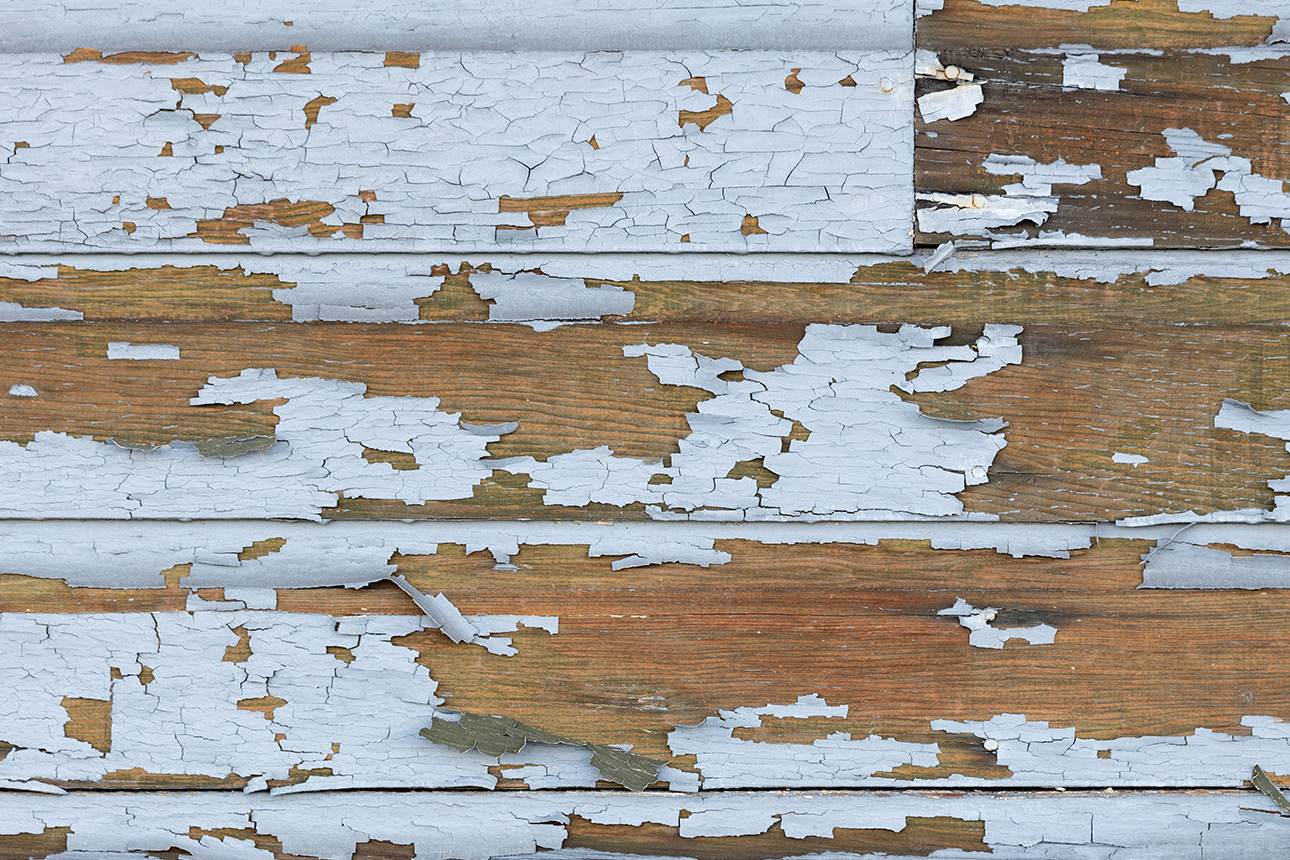
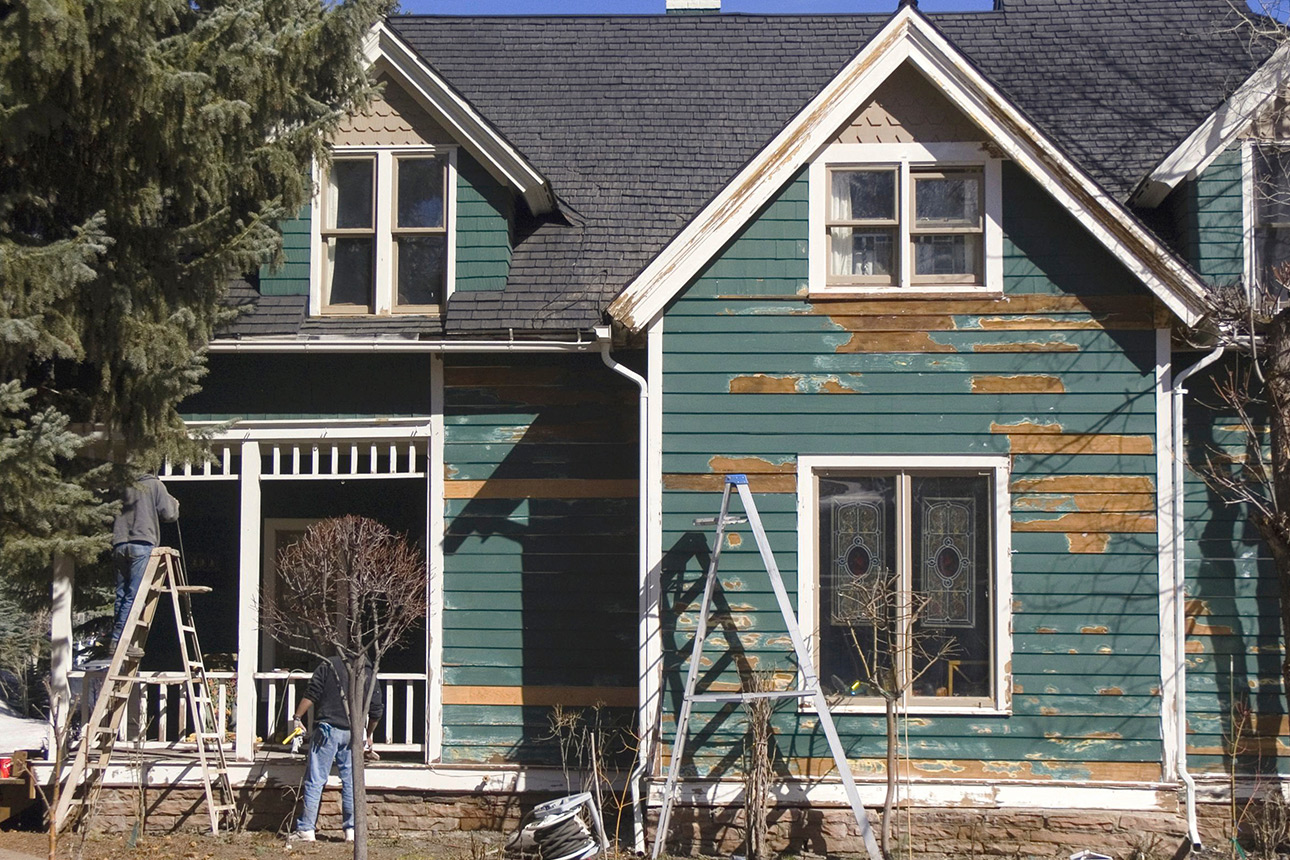
Finally, maintaining the condition of painted surfaces is considered part of routine home maintenance. If lead paint deteriorates, insurers view this as a failure to maintain the property rather than an insurable event. This classification further supports their decision not to cover lead removal.
Situations Where Insurance Might Offer Limited Coverage
Although lead abatement itself is rarely covered, certain related situations may qualify for partial coverage. For example, if a covered event such as a storm or fire damages a wall or window that contains lead paint, the insurer may cover the cost of repairing that damage. However, the insurer usually does not pay for the removal of additional lead hazards discovered during repairs. Their responsibility ends once the damaged area is returned to its previous condition.
Another situation can occur when a contractor causes damage by failing to follow proper safety procedures. If a renovation contractor disturbs lead paint and contaminates the home with dust due to negligence, their liability insurance may be required to pay for cleanup. This is not the same as homeowners insurance paying for abatement, but it does offer a potential avenue for remediation.
Insurance may also help if a plumbing failure or water leak damages building materials that contain lead paint. In that case, the insurer may pay to replace the water damaged surface but not remove lead paint from additional areas of the home.
These exceptions depend heavily on policy language, and homeowners must review their documents carefully to understand the limitations.
Why Professional Lead Abatement Is Still Necessary
Even though insurance typically does not cover lead removal, certified lead abatement remains the safest and most effective way to eliminate lead hazards. Lead exposure poses serious health risks, especially for young children. Symptoms of lead poisoning include developmental delays, learning difficulties, behavioral problems, and neurological damage. Because these risks are severe and long lasting, homeowners should not rely on temporary fixes or hope that insurance will eventually assist.
Certified abatement professionals follow strict procedures to remove or permanently control lead hazards. They understand how to contain dust, how to dispose of hazardous materials, and how to conduct clearance testing to verify the home is safe. Attempting do it yourself lead removal is extremely dangerous. Scraping, sanding, or disturbing lead paint without proper containment spreads dust throughout the home and worsens the hazard.
For homeowners in Charlotte and surrounding areas, professional lead abatement also protects future property value. Buyers, renters, and inspectors often ask about lead hazards in older properties. Having documentation of certified abatement demonstrates that the home meets modern safety standards.
Alternative Financial Options for Lead Abatement
Although homeowners insurance rarely pays for lead removal, other financial resources may be available depending on location and eligibility. Some counties in North Carolina offer limited grant programs for families with young children, especially when lead hazards pose a direct health threat. Federal HUD funded programs may assist with hazard control in qualifying properties. Local organizations sometimes offer low interest loans for health and safety improvements.
Homeowners may also speak with certified abatement firms about payment options. Many companies understand the urgency of lead hazards and work with families to develop manageable payment plans.
Lead Removal in Charlotte’s Older Homes
Charlotte contains many neighborhoods built long before 1978, including Dilworth, Plaza Midwood, NoDa, Elizabeth, and several historic mill communities in surrounding towns. These homes often contain multiple layers of lead paint on windows, doors, stair railings, and exterior trim. Weather exposure, renovations, and general aging can cause these layers to deteriorate, creating lead dust that spreads easily throughout the home. Because of the age of these homes and the high likelihood of lead hazards, homeowners insurance exclusions are especially relevant in Charlotte.
Understanding that insurance rarely pays for removal allows homeowners to plan accordingly and take proactive steps to protect their families. Addressing lead hazards before beginning a renovation can also prevent contamination and reduce long term costs.
Conclusion
Most homeowners insurance policies do not cover lead removal or abatement. Lead is classified as a pollutant, a pre existing condition, and a maintenance issue, which excludes it from standard coverage. While limited exceptions exist when damage is caused by a covered event or by contractor negligence, these exceptions do not typically include full lead abatement. Despite the lack of insurance coverage, certified lead abatement remains the safest and most responsible way to address lead hazards in older homes. For families in Charlotte and across North Carolina, understanding these insurance limitations helps ensure that lead hazards are handled properly and that the home remains a safe environment for everyone.
Related articles
Reliable, scalable builds for retail, office, and industrial spaces—delivered with zero surprises.