Why Quality Control Begins Before Construction Starts
Reviewing Plans and Preparing Documentation
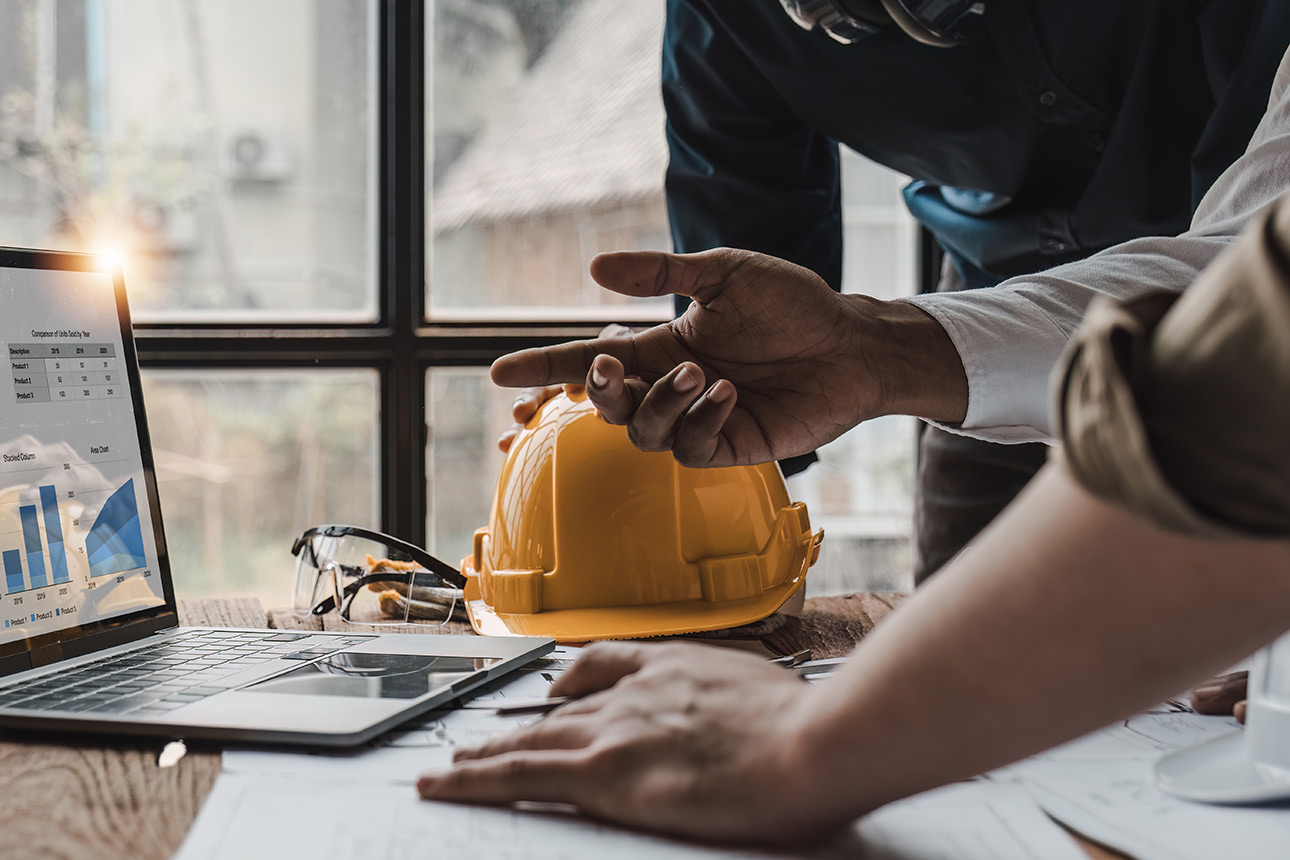
Quality control starts with a detailed review of architectural and engineering plans. Project managers verify accuracy, identify potential conflicts, and prepare workflows based on the design. This early attention to detail reduces the risk of surprises later.
Establishing Expectations With Subcontractors
Contractors communicate standards regarding materials, installation practices, and workmanship. Subcontractors who understand expectations perform more consistently and deliver better results.
Maintaining Quality During Construction
Regular Inspections at Key Stages
Project managers examine work during framing, mechanical installation, insulation, drywall, and finishing. Inspections confirm that each phase meets code requirements and aligns with the project’s design.
Verifying Material Quality and Installation Techniques
Quality materials require proper handling and installation. Project managers check that materials match specifications and are used appropriately.