Phase Three: Permitting and Approvals
Submitting Plans for Review
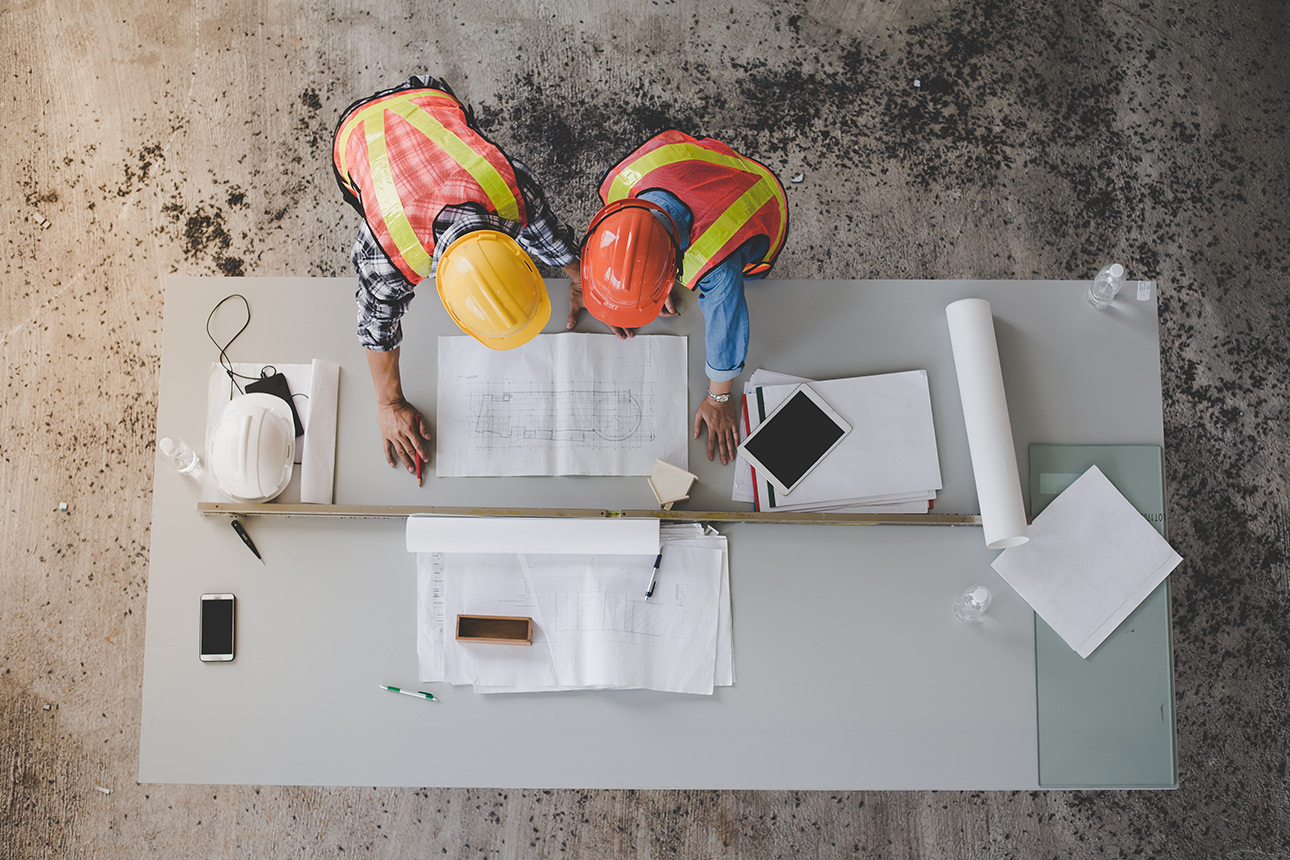
Municipal authorities review plans for compliance with building codes, zoning rules, fire safety, and accessibility standards. Accurate documentation reduces the likelihood of delays.
Preparing for Required Inspections
Permits include inspection checkpoints throughout construction. Understanding the inspection timeline supports smoother scheduling.
Phase Four: Construction and Project Execution
Site Preparation and Foundation Work
Clearing, grading, and preparing the site create the foundation for the building. Proper execution ensures long-term stability.
Framing and Infrastructure Installation
Once framing is complete, trades install electrical, plumbing, and HVAC systems. These must pass inspections before walls are closed.
Finishes and Final Details
Flooring, cabinetry, fixtures, and paint complete the home or commercial space. Quality control during this phase ensures that the final product meets expectations.