B2L Construction

The Difference Between Light Commercial and Heavy Commercial Construction

Commercial construction includes a wide range of project types. Understanding the differences between light and heavy commercial construction helps businesses choose the right approach for their facility needs. Each category involves specific requirements, specialties, and design considerations.

Understanding Light Commercial Construction

Typical Light Commercial Projects

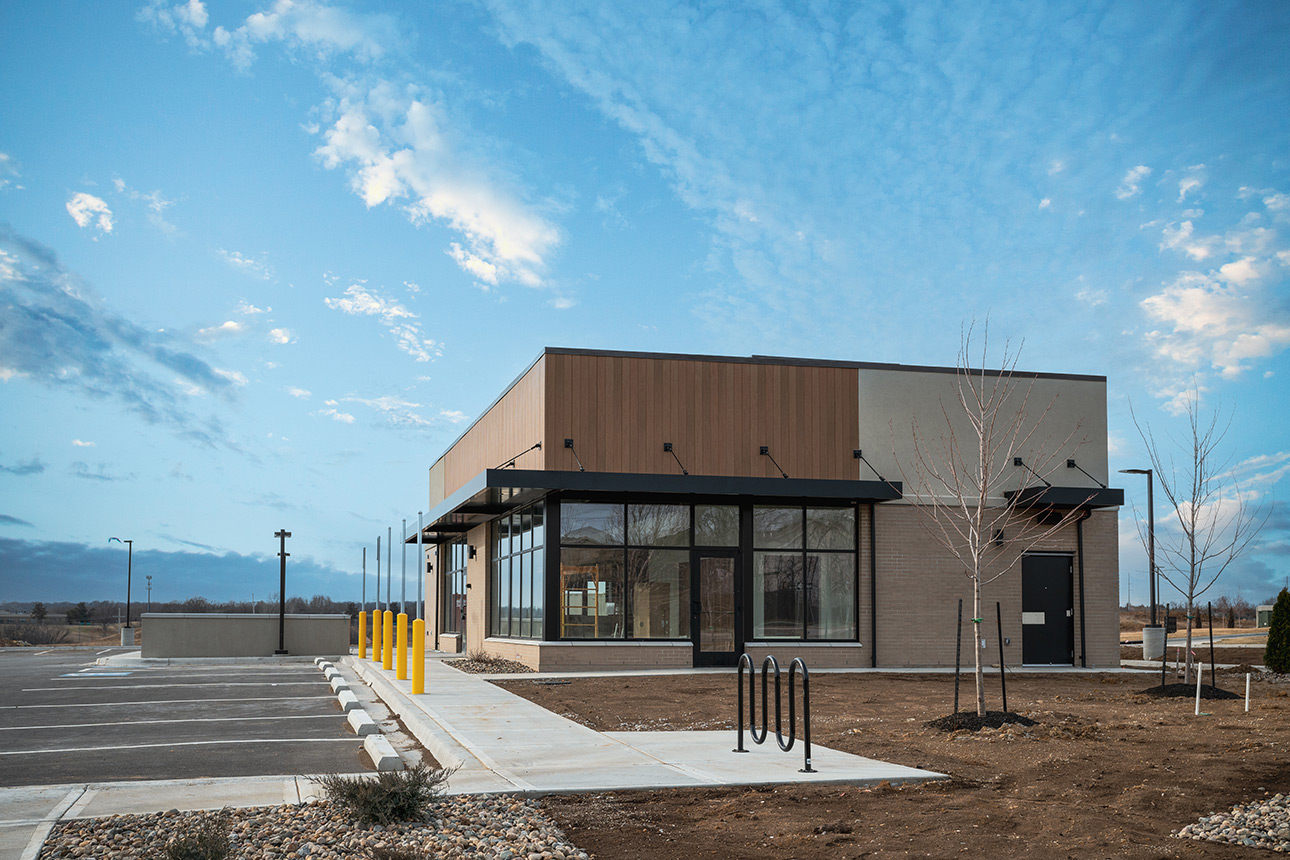
Light commercial construction includes retail stores, restaurants, small offices, medical clinics, and small warehouses. These buildings typically range from one to three stories and involve simpler structural requirements compared to heavy commercial facilities.

Design and Construction Features

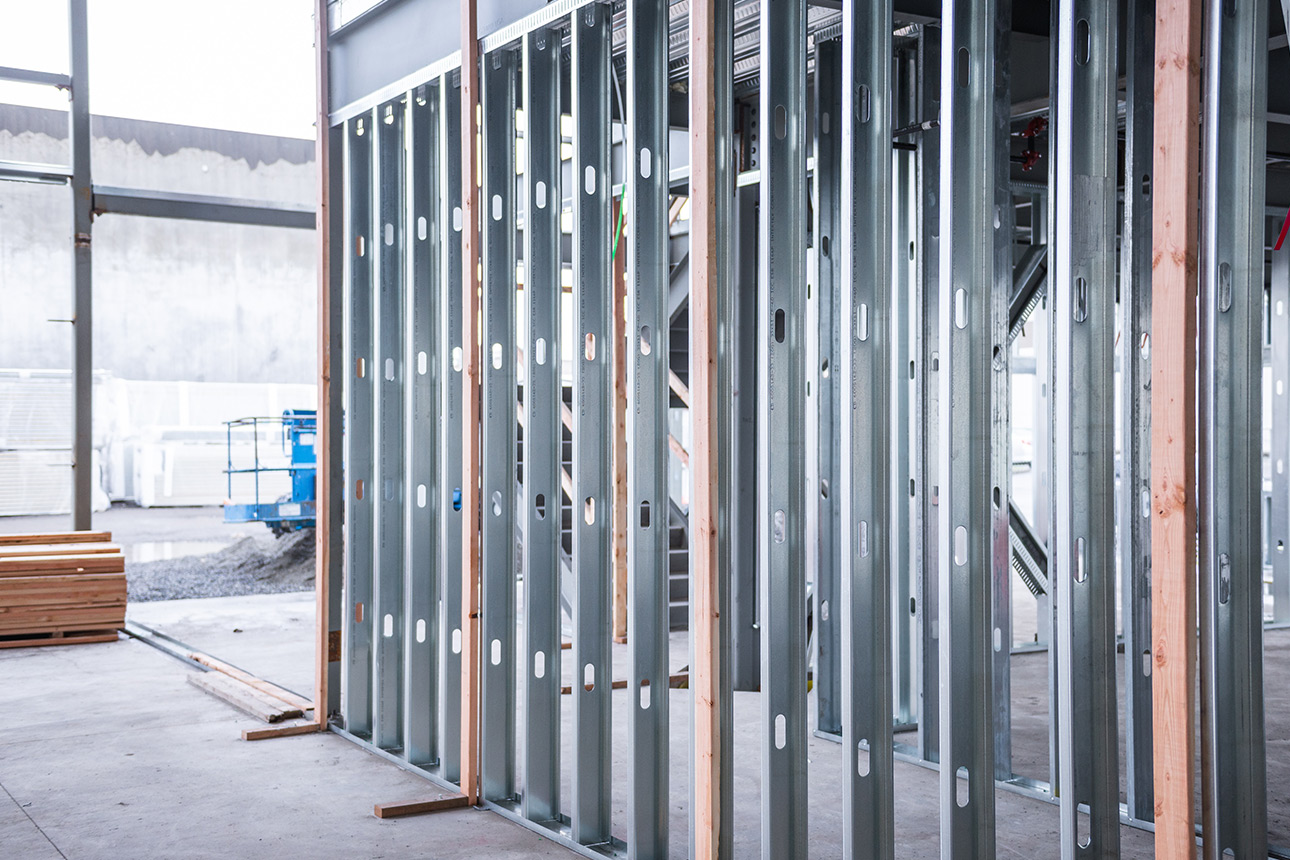
Light commercial projects often focus on customer experience, interior finishes, and efficient layouts. Builders use standard materials such as wood framing or light steel components. Mechanical and electrical systems are typically less complex than those found in larger facilities.

Understanding Heavy Commercial Construction

Larger and More Complex Structures

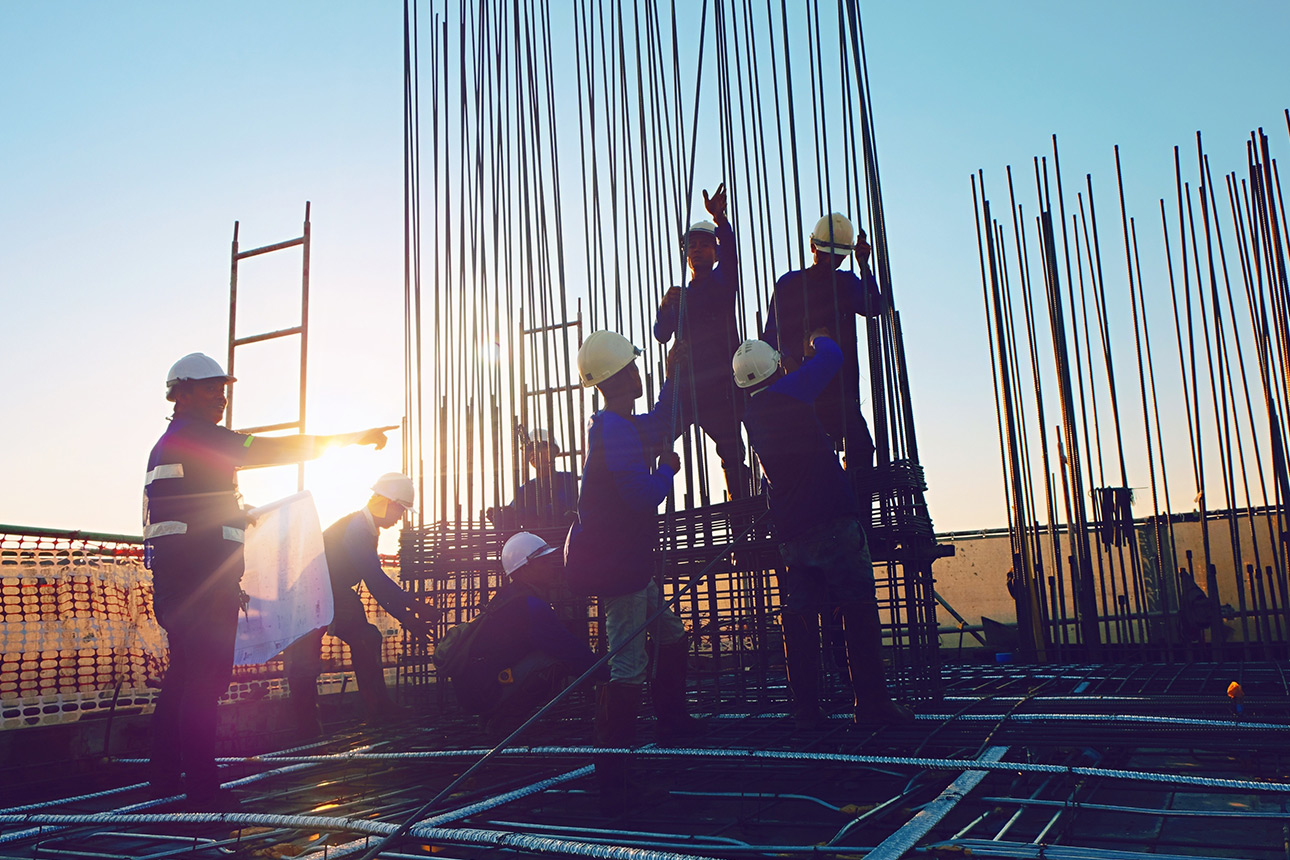
Heavy commercial construction includes hospitals, schools, multi-level offices, industrial plants, and large warehouse facilities. These structures require advanced engineering and specialized building systems.

Advanced Mechanical and Structural Requirements

These buildings use reinforced steel frameworks, concrete systems, and extensive electrical and mechanical networks. They must meet stricter regulatory requirements due to their size, occupancy load, and safety needs.

Choosing Between Light and Heavy Construction

Project Scale and Operational Needs

The nature of the business determines which type of construction is appropriate. Retail and office spaces typically fall under light commercial, while manufacturing plants or institutional facilities require heavy commercial standards.

Light commercial projects generally involve shorter timelines and lower budgets. Heavy commercial projects require longer schedules and greater financial investment due to their complexity.

Conclusion

Understanding the distinctions between light and heavy commercial construction helps business owners plan their projects more effectively. When businesses align their goals with the correct construction approach, they achieve safer, more functional, and better-performing facilities.

Related articles

Reliable, scalable builds for retail, office, and industrial spaces—delivered with zero surprises.